
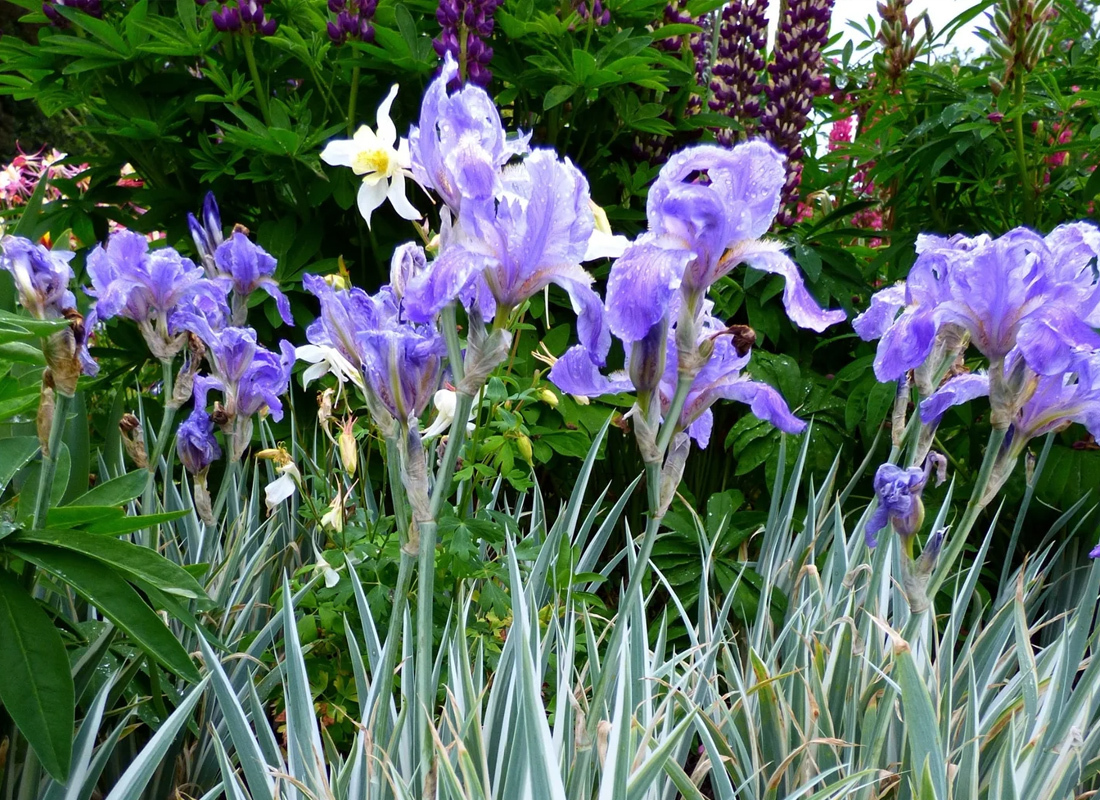
Variegated Iris
Few plants capture the imagination of gardeners quite like variegated Iris—a striking blend of bold foliage and elegant flowers that brings contrast, texture, and year‑round interest to landscapes big and small. Revered for its dramatic leaves and architectural presence, variegated Iris makes a gorgeous focal point, a sophisticated border plant, or a show‑stopping container specimen.
In this comprehensive guide, we’ll explore everything you ever wanted to know about Iris with variegated foliage: its origins, types, growing requirements, garden design uses, companion planting, seasonal care, common problems and solutions, and inspirations for both new and seasoned gardeners. Whether you’re planning your first flower bed or refining a mature garden, this page is your go‑to resource for mastering variegated Iris.
1. What Is Variegated Iris? Understanding the Plant
The term “variegated Iris” refers to Iris plants whose leaves display multiple colors in striking patterns—often stripes or margins in white, cream, yellow, gold, or green. Unlike plain green Iris foliage, variegated Iris stands out even before the plant flowers, offering architectural beauty year‑round.
Botanical Identity
Most variegated Irises grown in gardens are cultivars of species such as Iris pallida variegata or Iris germanica variegata, among others. These belong to the Iridaceae family, which features many iconic garden plants prized for their blooms and foliage.
What Makes It Special
- Foliage first: The leaves themselves are ornamental, with stripes or edges of contrasting color.
- Flower power: In spring, many varieties produce exquisite blooms—often in shades of blue, purple, or yellow—that complement the leaves.
- Year‑round structure: Even after flowering, the plant remains visually appealing through summer, fall, and winter due to its evergreen or semi‑evergreen leaves (depending on climate).
2. A Brief History of Variegated Iris
Iris species have been cultivated for thousands of years, revered in ancient gardens from Egypt to Greece. The fleur‑de‑lis, a stylized Iris motif, became a symbol of royalty and purity in medieval Europe.
The variegated forms of Iris likely emerged through careful selection and breeding, as gardeners noticed rare plants with striped or multicolored leaves and propagated them for their unique beauty. Over the centuries, these striking foliage plants earned a place in formal gardens and modern landscapes alike.
3. Varieties of Variegated Iris
While there are many types of variegated Iris, here are some common and beautiful ones to know:
• Iris pallida ‘Variegata’
One of the most popular variegated Irises, recognizable for its broad leaves banded in creamy white and green. Its pale lavender‑blue flowers are an elegant bonus in late spring.
• Iris germanica (variegated cultivars)
Bearded Irises with variegated foliage and large, showy blooms in many colors. Excellent for sunny borders.
• Other Species and Hybrids
Some modern hybrids feature variegation alongside unique flower colors or compact forms ideal for containers. The world of Iris breeding continues to expand, giving gardeners more varieties to explore.
4. Garden Worthiness: Why Grow Variegated Iris?
Variegated Iris is a standout plant for several compelling reasons:
• Year‑Round Visual Interest
Even without flowers, the striped leaves maintain form and color through seasons.
• Design Versatility
Works beautifully in:
- Formal borders
- Mixed perennial beds
- Rock gardens
- Containers
- Cottage and contemporary designs
• Low Maintenance
Once established, these Irises are generally easy to grow—tolerant of a range of conditions.
• Seasonal Contrast
The bold foliage contrasts beautifully with softer leafed plants, creating dynamic visual interplay.
5. Planting Variegated Iris: Best Practices
• Choosing the Right Location
Variegated Iris prefers:
- Full sun: At least 6–8 hours of sunlight per day for the brightest foliage and best blooms.
- Well‑drained soil: Irises don’t like “wet feet”; poor drainage can lead to rot.
• Soil Conditions
- Loamy, neutral to slightly acidic soil is ideal.
- If your soil is heavy clay, amend with organic matter or plant in raised beds.
• Spacing
Give each plant enough room—generally about 12–18 inches apart—to allow airflow and reduce disease risk.
• Timing
Plant in late summer to early fall in most regions. This promotes strong root establishment before winter. However, in milder climates, spring planting is also possible.
6. Watering, Feeding, and Ongoing Care
• Watering
- Water regularly during the establishment period.
- Once mature, variegated Irises are moderately drought tolerant.
- Avoid overhead watering to reduce leaf spot and fungal issues.
• Feeding
A balanced spring fertilizer—applied when new growth begins—helps support lush foliage and abundant flowers. Avoid high‑nitrogen formulas, which can encourage soft growth vulnerable to disease.
• Mulching
Mulch lightly with organic material but keep it from directly touching the leaves, as damp mulch against the foliage can invite rot.
7. Seasonal Rhythm: What to Expect Throughout the Year
• Spring
- New leaves emerge with strong color.
- Flower buds form and open, often in late spring.
- Deadhead spent blooms to promote tidy appearance.
• Summer
- Flowers fade, but leaves continue to provide structure.
- Occasional watering may be needed in dry spells.
• Fall
- Clean up old foliage and debris.
- Divide clumps if overcrowded.
• Winter
In colder climates, foliage may die back or stay evergreen depending on hardiness. A light mulch layer can protect rhizomes in freezing weather.
8. Dividing and Propagating: Keeping Plants Healthy and Vigorous
Over time, Iris clumps can become crowded, leading to fewer flowers and weaker plants. Dividing helps:
• When to Divide
Late summer to early fall is ideal—after blooming, but before winter.
• How to Divide
- Carefully dig up the clump.
- Shake or wash soil from the rhizomes.
- Use a sharp knife to separate sturdy sections, each with roots and leafy fans.
- Replant promptly with the top of the rhizome just at or slightly below the soil surface.
Dividing every few years promotes vigor and spreads plants across the garden.
9. Troubleshooting Common Problems
Even hardy Irises can encounter issues. Here’s how to recognize and manage them:
• Leaf Spot and Fungal Diseases
- Symptoms: Brown or black spots on leaves.
- Prevention: Provide good airflow, avoid wet foliage, and remove diseased leaves promptly.
• Rhizome Rot
Often caused by overly wet soil.
Solution: Improve drainage, plant on slopes or raised areas, and water sparingly.
• Pests
- Iris borers, aphids, and slugs can occasionally feed on foliage.
- Encourage beneficial insects and use appropriate, garden‑safe controls when needed.
• Faded Variegation
Sometimes foliage loses contrast due to lack of sun.
Solution: Ensure plants receive enough bright light—variegated cultivars need more sun than plain green foliage to maintain crisp stripes.
10. Landscaping with Variegated Iris: Design Ideas
Here are inspiring ways to use variegated Iris in the garden:
• Architectural Anchors
Place variegated Irises at focal points—near entries, gateways, or patio corners—to anchor the planting design with bold form and foliage.
• Contrasting Borders
Use along borders with soft, mounded plants like:
- Sage
- Lavender
- Coral bells (Heuchera)
- Salvia
The upright, striped leaves create striking contrast.
• Massed Plantings for Drama
Large drifts of variegated Iris make a powerful visual statement, especially when combined with blue, purple, or white flowers for a harmonious palette.
• Contemporary Containers
Tuck smaller cultivars into containers with contrasting foliage plants like:
- Dark‑leafed coleus
- Bright green ferns
- Bold succulents
The interplay of lines and colors brings modern sophistication to patios and decks.
• Naturalized Meadows and Edges
In informal designs, intersperse variegated Irises with ornamental grasses and prairie‑style perennials to evoke natural beauty with a woodland edge vibe.
11. Companion Plants That Work Well with Variegated Iris
To make your garden sing, pair variegated Irises with complementary plants. Great partners include:
| Companion Plant | Why It Works |
|---|---|
| Lavender | Silvery foliage and fragrant flowers echo the Iris’s lines |
| Salvia | Vertical spikes of color contrast with striped leaves |
| Peonies | Bold blooms pair well with architectural foliage |
| Alliums | Globe flowers add a playful shape contrast |
| Coreopsis | Cheerful yellows brighten the cool tones of striped leaves |
| Sedum | Adds texture after Iris blooms are finished |
These combinations extend interest throughout the seasons.
12. Variegated Iris in Containers: A Stylish Choice
Variegated Irises are not just for borders. In containers, they make stylish accents.
Potting Tips
- Use a well‑draining potting mix.
- Choose a pot with drainage holes.
- Plant with the rhizome just below the surface.
Companion Container Plants
Pair in pots with:
- Creeping thyme (groundcover contrast)
- Dianthus (soft flowers)
- Grasses (textural interplay)
13. Frequently Asked Questions
• Do variegated Irises need more sun?
Yes. Strong sunlight helps maintain bold leaf contrast and vibrant colors.
• Can Iris be evergreen?
In mild climates, many variegated Irises hold leaves year‑round. In colder zones, foliage may die back and regrow in spring.
• Are they deer‑resistant?
Many Iris varieties are moderately deer‑resistant, but local wildlife preferences vary.
14. Final Thoughts: Why Variegated Iris Deserves a Place in Your Garden
Variegated Irises are more than just attractive plants—they are design statements. They:
- Offer year‑round appeal
- Bring textural contrast
- Thrive with minimal maintenance
- Work in diverse landscape styles
- Provide spectacular floral and foliage combinations
Whether planted in sweeping borders, rock gardens, or containers, variegated Iris enriches every space it inhabits.