
The Ultimate Guide to Ornamental Grasses (Deer & Rabbit Resistant Ideas)
If you’re designing a garden with texture, movement, year-round interest, and wildlife resistance, ornamental grasses are indispensable. In this guide we’ll explore five beautiful grass types that are not only landscape favorites but are also frequently deer and rabbit resistant. We’ll cover growing tips, landscape uses, aesthetic cues, and how to integrate them into stunning garden designs.
1. Blue Fescue Dwarf (Festuca glauca) — Compact Blue Beauty
Description & Characteristics
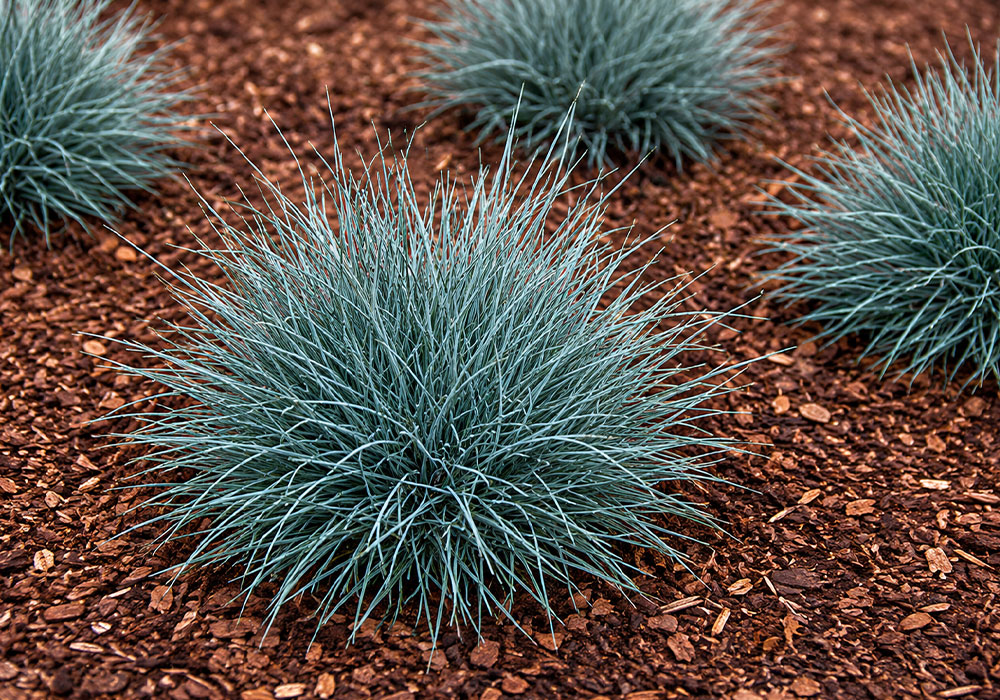
Blue Fescue (Festuca glauca) is a cold-season ornamental grass prized for its compact, clumping habit and striking blue-gray foliage. The dwarf forms create tidy tufts of color and texture, making them great for rock gardens, borders, and edges.
- Size: Typically 6–12″ tall
- Form: Dense, rounded clumps
- Foliage: Steel-blue to blue-gray
- Light: Full sun
- Soil: Well-drained, average to poor soils
- Use: Edging, mass plantings, rock gardens
Deer & Rabbit Resistance
Blue fescue is generally avoided by deer and rabbits due to its fine, needle-like leaves that aren’t palatable. Grasses with textures like this are higher on many wildlife-resistance lists.
Planting & Care
- Sun & Soil: Loves sun and tolerates lean soils — heavy soil makes it flop.
- Watering: Drought-tolerant once established, prefers dry to moderate moisture.
- Maintenance: Trim back to 3–4″ in late winter or early spring to renew fresh growth.
Landscape Uses
- Front-of-border accents
- Contrasts with bright flowers
- Massed drifts for color blocks
Plant 3–5 feet apart in masses to really enjoy the cool blue contrast against warmer garden colors.
2. Blue Oat Grass (Helictotrichon sempervirens) — Sculptural Clumping Grass
Description & Characteristics
Helictotrichon sempervirens — better known as Blue Oat Grass — is a striking, larger ornamental grass with blue-gray foliage on a strong, fountain-like clump. It’s a classic choice for sculptural texture and structural contrast.
- Height: 24–36″ (average), some cultivars shorter
- Spread: 18–30″
- Foliage: Blue-green blades in a neat mound
- Flower/Seedheads: Subtle panicles in summer
Resistance Notes
This ornamental grass is naturally unpalatable to deer and rabbits. Its stiff, chalky blades offer little food value, which helps keep it standing tall and untouched.
Growing Tips
- Plant in full sun for best color and clumping habit.
- Soil: Well-draining, average. Too much fertility can make it floppy.
- Water: Moderate; once established it tolerates a bit of drought.
Design Inspiration
- Focal specimen grass in mixed borders
- Paired with bold perennials like Russian sage or coneflower
- Containers for vertical accents
Use as a structural anchor — the sculptural shape looks amazing with softer foliage plants around it.
3. Dwarf Fountain Grass (Pennisetum alopecuroides ‘Hameln’) — Season of Movement
Description & Characteristics
Dwarf Fountain Grass ‘Hameln’ (a cultivar of Pennisetum alopecuroides) is a delightfully rounded and arching clumping grass. It produces soft, bottlebrush-shaped plumes that emerge in summer and age into golden fall tones.
- Height: Around 18–24″
- Spread: 18–24″
- Foliage: Green turning amber in fall
- Blooms: Creamy plumes in summer into fall
Deer & Rabbit Resistance
Fountain grasses, including this dwarf form, are widely considered deer resistant — the leaf texture and seed plumes aren’t desirable to browse. Rabbits typically leave these clumps alone as well.
Planting & Care
- Light: Full sun to light shade (flowering best in full sun)
- Soil: Well-drained
- Water: Moderate — drought tolerant once established
- Maintenance: Cut back in late winter before new growth
Landscape Uses
- Borders and beds for soft texture
- Mass plantings that sway in the breeze
- Rock gardens or containers
Pair with late-season perennials — its plumes can echo autumn colors beautifully.
4. Japanese Forest Grass (Hakonechloa macra) — Shade Elegance
Description & Characteristics
Hakonechloa macra, commonly called Japanese Forest Grass, is a beloved shade-loving grass known for its flowing, cascading habit and soft movement. While not as showy in bloom, its foliage is the star of the show.
- Height: 12–24″ (varies by cultivar)
- Spread: 18–30″
- Foliage: Arching, soft blades often striate or variegated
The plant gracefully drapes outward, lending serene movement and texture beneath trees, along shaded paths, or in woodland gardens.
Deer & Rabbit Resistance
Many gardeners list Japanese Forest Grass as among ornamental grasses that are generally overlooked by deer — its slender, flexible blades and subtle texture don’t appeal to browsing animals.
Growing Tips
- Light: Best in partial shade — too much sun can scorch leaves.
- Soil: Moist, well-draining, fertile soil.
- Water: Consistent moisture favored — not drought tolerant.
Design Inspiration
- Shade border layer beneath taller perennials
- Soft underplanting for shrubs
- Accents along paths or edges in shady spots
Combine with hostas and ferns for woodland contrast — silky grasses against lush leaves.
5. Karley Rose Dwarf Mountain Grass — Deer-Ready , Low Form Accent
Note: Specific standard reference information for “Karley Rose Dwarf Mountain Grass” by that exact name is limited in widespread databases. However, based on ornamental grass traits and similar dwarf grasses, we can treat it as a compact ornamental clumping grass often chosen for rock gardens, low borders, and mountain or alpine themed landscapes. (Not all grass names are widely cataloged under one commercial or botanical standard.)
Typically, dwarf mountain or alpine ornamental grasses are cherished for:
- Low-growing clumping habit
- Good texture and drainage tolerance
- Deer and rabbit avoidance due to tough, narrow foliage
These grasses often resemble smaller fescues or tufts used in decorative settings.
Why Ornamental Grasses Are Often Wildlife-Resistant
Across species — whether blue fescue, blue oat grass, Japanese forest grass, or fountain grass — ornamental grasses are frequently not the first choice for deer or rabbits because they:
- Lack tender leaves that wildlife prefers
- Have stiff, fibrous blades
- Often present textures or flavors animals avoid
- Maintain clumping, rather than lush palatable spread
This isn’t a guarantee — no plant is completely deer-proof — but many gardeners with wildlife pressure plant grasses with confidence knowing they stand up well compared with other leafy plants.
General Care Tips for Ornamental Grasses
Here are some universal care principles that make grasses thrive and keep them attractive year after year:
Plant in the Right Location
- Sun vs Shade: Choose grasses based on their light preference (e.g., blue fescue and blue oat grass love full sun; Japanese forest grass prefers shade).
Water Wisely
- Most grasses prefer moisture during establishment but become drought tolerant once rooted. Avoid overwatering, especially in cool climates.
Seasonal Maintenance
- Late winter/early spring pruning: Cut old foliage back before new growth emerges.
- Division: Every few years, divide crowded clumps to rejuvenate.
Soil Preference
- Well-drained soils are critical. Grasses don’t like soggy feet, and many perform best in average to lean soils.
Brass Tactics: Using Grasses in Designs
1. Masses & Drifts
Large groupings of grasses (like blue fescue or dwarf fountain) create striking patterns of color and movement.
2. Layered Borders
Use tall grasses like blue oat grass behind mid-height plants, with dwarf grasses in front.
3. Seasonal Interest
Grasses add interest even in winter when their dried seed heads sway and catch frost.
4. Containers
Smaller forms (blue fescue, dwarf fountain grass) thrive in pots — combine with perennials or succulents.
Final Thoughts
Ornamental grasses — from Blue Fescue Dwarf to Blue Oat Grass, Dwarf Fountain Grass, and Japanese Forest Grass — bring texture, structure, and subtle seasonal color to any garden. Thanks to their fibrous foliage and clumping habits, many of these grasses are naturally deer and rabbit resistant compared with other garden plants.
By mixing heights, colors, and light preferences, you can build a dynamic, resilient landscape that thrives through heat, drought, and changing seasons — with minimal maintenance. Whether used in a woodland garden, sunny perennial border, or decorative container arrangement, ornamental grasses add effortless elegance and dependable performance to your outdoor space.