
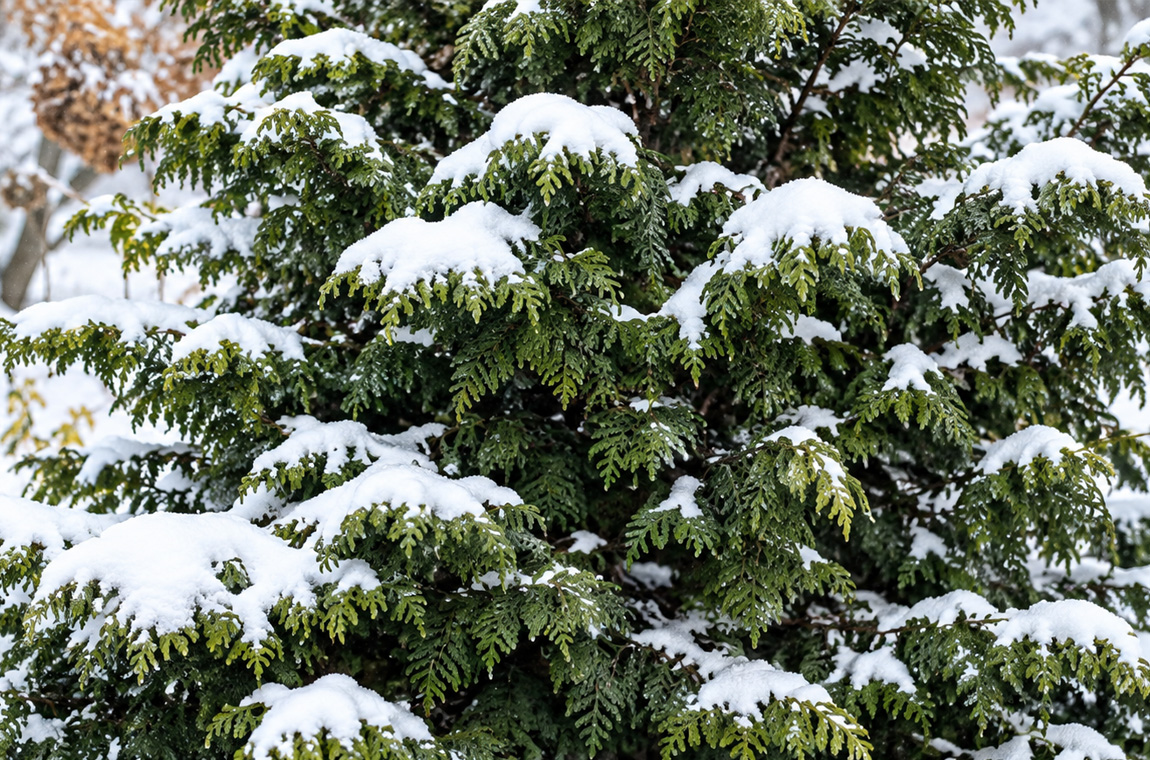
Siberian Cypress
The Siberian Cypress is a hardy evergreen valued for its resilience, elegant form, and year-round landscape interest. Often used as a specimen, privacy screen, or accent plant, it provides lasting texture, structure, and color. Despite its name, “Siberian Cypress” is generally a landscaping term applied to cold-hardy Chamaecyparis (false cypress) species rather than true Cypress (Cupressus).
What Is Siberian Cypress?
Siberian Cypress plants are evergreen conifers recognized for dense foliage, architectural shapes, and soothing green tones. They are generally cold hardy, relatively low maintenance, and available in upright, columnar, spreading, weeping, and dwarf forms.
Origins and Natural Habitat
Most plants sold as Siberian Cypress belong to Chamaecyparis species native to Asia or North America. Many evolved in cool, forested environments, including mountainous areas with moderate moisture and well-drained soils. This background makes them suitable for many temperate landscapes.
Common Varieties and Forms
Columnar Forms
Tall, narrow cultivars are excellent for privacy screens, hedges, formal gardens, and areas where space is limited. Their vertical growth adds height and architectural emphasis.
Spreading or Weeping Types
These forms soften landscape edges and provide a more relaxed appearance. They work well in rock gardens, borders, or near walls.
Dwarf Cultivars
Compact varieties are ideal for containers, small gardens, and garden borders. They provide the same evergreen character while requiring less space.
Planting: Location and Soil
Sunlight
Siberian Cypress generally performs best in full sun to light shade, ideally receiving six or more hours of sunlight. In very hot climates, some afternoon shade can help reduce stress.
Soil Requirements
Well-drained soil is essential. The plants can tolerate loamy, sandy, or slightly clayey soils when drainage is adequate. Slightly acidic to neutral soil is generally suitable.
Watering
Water deeply after planting. Once established, many forms tolerate periods of drought but benefit from occasional deep watering during prolonged dry conditions.
Step-by-Step Planting Guide
- Choose the right location: Consider mature size, sunlight, and spacing.
- Prepare the soil: Loosen the planting area and add organic matter if needed.
- Dig the hole: Make it approximately twice as wide as the root ball and the same depth.
- Place the plant: Keep the crown level with the surrounding soil.
- Backfill gently: Firm the soil while avoiding air pockets.
- Water thoroughly: Saturate the root zone and apply mulch, keeping it away from the trunk.
Watering and Fertilizing
Watering
During the first year, maintain consistent moisture without keeping the soil soggy. After establishment, reduce watering frequency and provide deep irrigation during extended drought.
Fertilizing
Apply a balanced, slow-release fertilizer in spring when needed. Avoid excessive nitrogen, which can encourage overly soft growth that may be more vulnerable to winter damage.
Pruning and Training
Pruning is usually unnecessary, but light shaping can help maintain the plant's natural architecture.
Pruning Tips
- Prune in late winter or early spring before new growth begins.
- Remove damaged or wayward branches.
- Avoid heavy cutting into old wood because many conifers have limited ability to produce new growth from older branches.
Common Pests and Diseases
Siberian Cypress is generally hardy but may occasionally experience aphids, spider mites, and scale insects. Root rot can develop in poorly drained soil, while needle blight may cause browning or foliage loss.
Good spacing, proper airflow, watering at the soil level, and choosing suitable cultivars can help reduce problems.
Landscape Design Ideas
Privacy Screens and Hedges
Tall, narrow forms can create attractive green walls that provide privacy and help screen unwanted views or noise.
Accent Specimens
A distinctive cultivar can serve as a focal point near an entryway, patio, or garden border.
Mixed Borders
Combine Siberian Cypress with flowering plants and ornamental grasses for year-round contrast. Spring bulbs such as tulips and daffodils, summer plants such as salvia and lavender, and seasonal perennials can complement its evergreen structure.
Seasonal Care
Winter
Although many types tolerate cold, heavy wet snow can bend branches. Carefully removing excessive snow can help prevent damage.
Spring
Clear winter debris, refresh mulch, and inspect the plant for winter damage or die-back.
Growing in Containers
Dwarf varieties are excellent choices for patios and balconies. Use a large container with good drainage, refresh the soil every two to three years, and water more frequently than plants growing in the ground.
Frequently Asked Questions
Are Siberian Cypress and Arborvitae the same?
No. Arborvitae belongs to the genus Thuja. Although both are evergreen conifers with similar landscape uses, they differ in their characteristics and foliage.
How fast do they grow?
Growth varies according to species and growing conditions, but most are moderate growers.
Can they tolerate heat?
Many types can tolerate summer heat when provided with adequate moisture and, in particularly hot conditions, some afternoon shade.
Environmental Benefits
Siberian Cypress contributes to the landscape by providing year-round habitat for birds and beneficial insects, storing carbon through its evergreen growth, and helping with erosion control through its root system.
Choosing Quality Plants
When purchasing a Siberian Cypress, look for full, vibrant foliage from the base to the top. Avoid plants showing significant brown patches, bare areas, or damaged branches. Check the root system as well and avoid severely pot-bound plants with tightly circling roots.
Final Thoughts
Siberian Cypress offers a combination of year-round color, structural form, versatility, and relatively easy care. Whether used as a privacy screen, specimen plant, mixed-border accent, or container feature, this hardy evergreen can bring lasting texture and elegance to the landscape.