
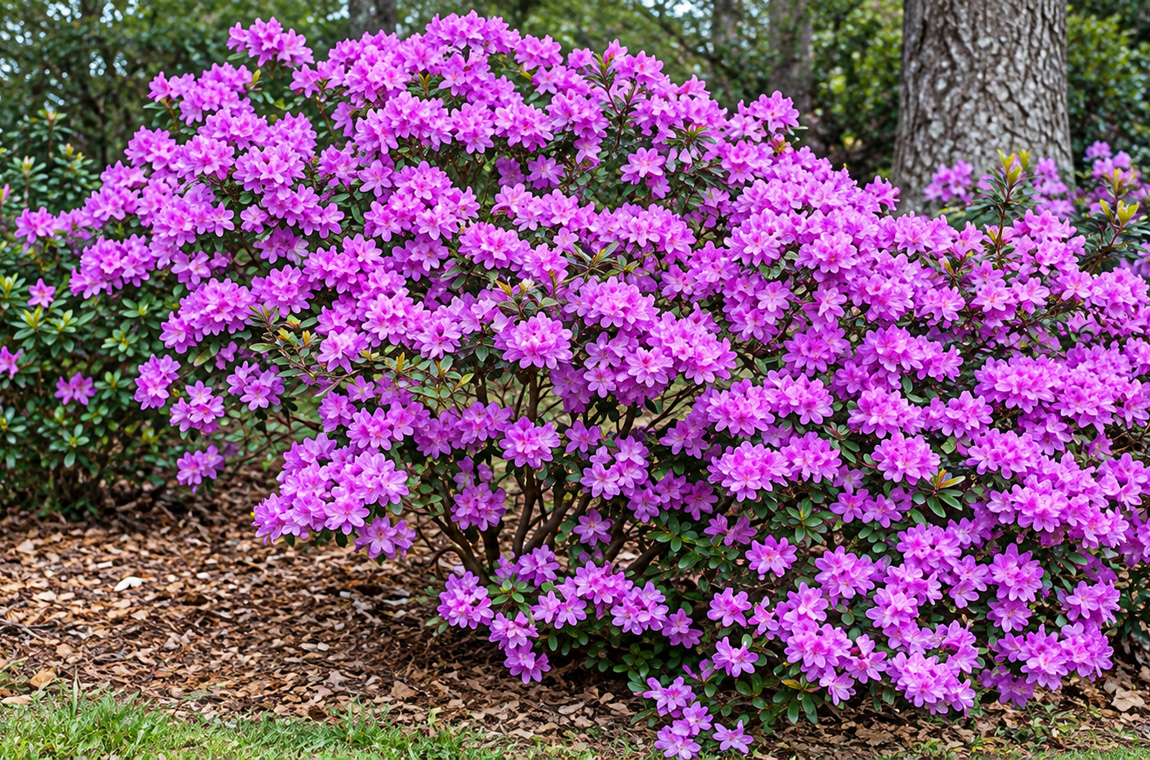
Rhododendron Varieties for the Northeast
Rhododendrons can make a Long Island landscape feel established with their evergreen leaves and bold spring flowers. From woodland gardens to formal foundation plantings, choosing the right variety is essential for Northeast conditions, including winter winds, freezing temperatures, and varying soil types.
At Louis Contino Landscaping, we consider two important factors before recommending a rhododendron: sunlight exposure and soil quality. These shrubs thrive in acidic, organic-rich, well-drained soil and benefit from protection against harsh winter conditions.
What Makes a Rhododendron Suitable for the Northeast?
Successful rhododendron planting starts with understanding the growing environment.
- Cold hardiness: Some varieties survive winter but lose flower buds during severe cold.
- Winter protection: Strong winds and winter sun can cause leaf curling, browning, and winter burn.
- Soil and drainage: Rhododendrons prefer acidic, humus-rich soil and shallow planting.
For Oyster Bay and nearby Long Island communities, checking soil pH and improving planting beds with pine bark fines or leaf mold can help create suitable growing conditions.
Top Rhododendron Varieties for Northeast Landscapes
1. PJM Rhododendron: The Cold-Hardy Choice
PJM rhododendrons are popular for their cold tolerance, dependable spring blooms, and evergreen foliage that can develop attractive purplish tones during winter.
Why homeowners love it
- Early blooms and attractive evergreen foliage.
- Compact to medium growth, depending on the selection.
- Suitable for partially shaded gardens and foundation plantings.
Best uses: Plant PJM rhododendrons along foundations, woodland edges, or between taller evergreen screens and lower perennials. Protection from winter winds and harsh sunlight helps prevent leaf damage.
2. ‘Nova Zembla’: Classic Red Flowers
‘Nova Zembla’ is known for its striking red flower clusters and substantial evergreen growth. It can reach approximately 6–8 feet tall and 5–7 feet wide under suitable conditions.
Why it stands out
- Bold red blooms that add spring color.
- A substantial form suited to foundation plantings and flowering hedges.
Best placement: Choose morning sun with afternoon shade and protection from strong winter winds. Pair red flowers with dark green evergreens and simple white, blue, or soft-purple perennials for a balanced landscape.
3. ‘Cunningham’s White’: Timeless Elegance
‘Cunningham’s White’ is a versatile choice for homeowners seeking a clean, traditional appearance. It is commonly listed for USDA Zones 5–8.
Why homeowners choose it
- White flowers brighten shaded spaces.
- Complements brick, bluestone, and traditional architecture.
- Works well in woodland borders and mixed evergreen beds.
Deep green groundcovers can provide contrast and make the white flowers stand out.
4. ‘Roseum Elegans’: The Traditional Estate Shrub
‘Roseum Elegans’, a Catawba rhododendron hybrid, is valued for its classic pink-purple flowers and substantial growth. It is commonly listed as hardy in USDA Zones 4–8.
Best uses: Consider it for part-shade screening, protected lawn edges, and layered planting beds. Allow enough room for its mature size instead of squeezing it into a narrow foundation bed.
Understanding Sunlight and Shade
Most rhododendrons prefer partial shade, particularly morning sunlight followed by afternoon shade. Dappled light beneath deciduous trees and east-facing exposures often provide suitable conditions.
Deep shade can reduce flowering, while excessive sun may increase stress. In brighter locations, choose an appropriate variety and maintain consistent soil moisture without waterlogging the roots.
Planting Rhododendrons the Right Way
Follow these essential planting practices:
- Test drainage: Ensure excess water can escape easily.
- Check soil pH: Provide the acidic conditions rhododendrons prefer.
- Plant shallowly: Keep the root flare high and avoid burying the root ball too deeply.
- Mulch properly: Use pine bark or shredded leaves, keeping mulch away from the trunk.
- Water consistently: Maintain even moisture during establishment, especially in sandy Long Island soils.
Winter Protection and Care
Even hardy rhododendrons can suffer winter injury when exposed to strong winds and winter sunlight. Broadleaf evergreens lose moisture through their leaves while frozen soil limits water absorption.
Practical protection tips
- Avoid exposed corners and open, windy locations.
- Provide protection from harsh south- and west-facing winter sun.
- Water thoroughly before the ground freezes.
- Consider burlap wind screens for young or exposed plants.
Choosing the Right Rhododendron
For cold-hardy planting, consider PJM rhododendrons. For bold red flowers, choose ‘Nova Zembla’. For a timeless white-flowering shrub, consider ‘Cunningham’s White’. For substantial estate-style screening, explore ‘Roseum Elegans’.
Choosing the right variety, preparing the soil, and providing suitable light and winter protection can help rhododendrons thrive in Northeast landscapes. At Louis Contino Landscaping, thoughtful plant selection helps create beautiful, long-lasting gardens suited to Long Island conditions.