
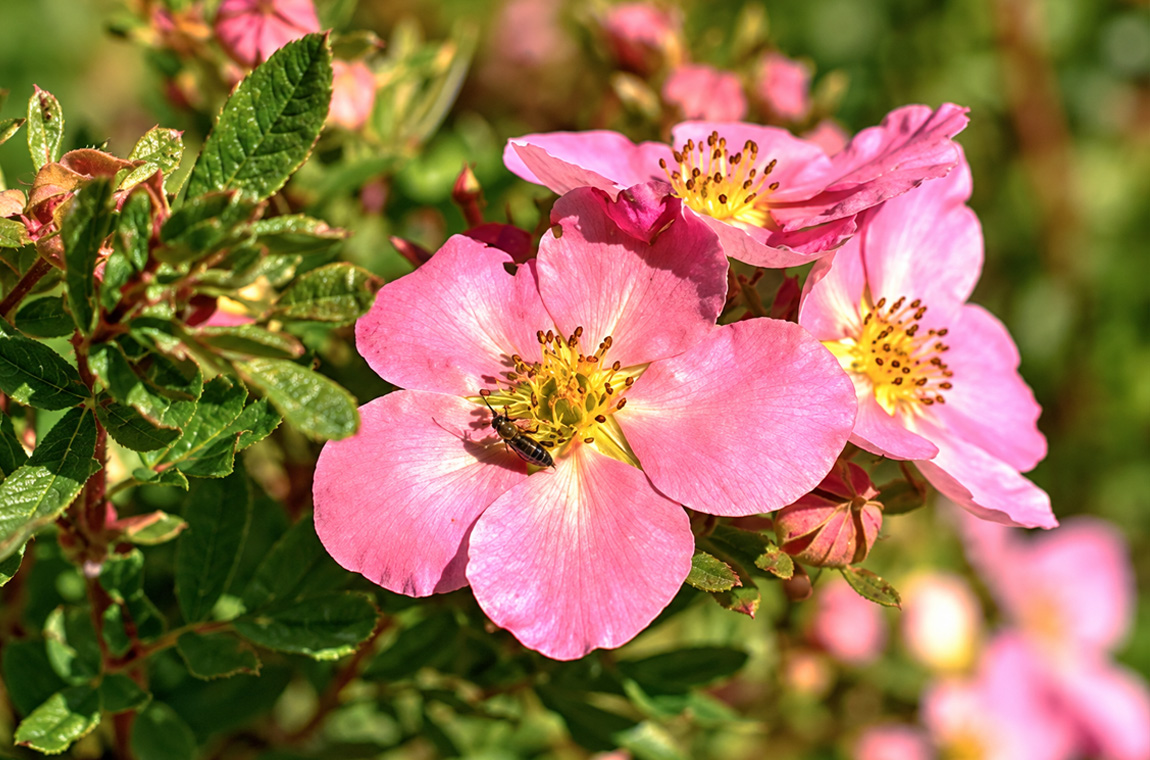
Potentilla Shrubs: A Hardy, Long-Blooming Favorite for Northeast Landscapes
When homeowners across Long Island ask Louis Contino Landscaping for a dependable, low-maintenance flowering shrub that blooms throughout summer, Potentilla consistently rises to the top. Known botanically as Potentilla fruticosa, or shrubby cinquefoil, Potentilla is a compact deciduous shrub that delivers months of cheerful blooms with minimal care.
In the Northeast climate, where landscapes experience freezing winters, coastal winds, deer pressure, and summer heat, Potentilla offers reliable performance. At Louis Contino Landscaping in Oyster Bay, NY, we incorporate Potentilla into cottage-style gardens, modern foundation plantings, and residential landscapes.
What Is Potentilla?
Potentilla fruticosa is a hardy deciduous shrub native to cooler regions of the Northern Hemisphere. It belongs to the rose family (Rosaceae) and is valued for its long bloom period, compact size, fine-textured foliage, exceptional cold hardiness, and adaptability to poor soil.
The name “cinquefoil” refers to its five-lobed leaves. Its flowers resemble small, single roses or wild strawberry blossoms and typically appear in yellow, white, pink, or orange tones.
In Nassau and Suffolk County landscapes, Potentilla is often used where homeowners want continuous color without the maintenance of perennials requiring frequent deadheading or staking.
Why Potentilla Thrives on Long Island
Cold Hardiness
Potentilla is hardy in USDA Zones 2–7, making it exceptionally resilient in Northeast winters. Established shrubs can recover reliably after harsh cold snaps.
Heat and Drought Tolerance
Although Potentilla prefers consistent moisture, it tolerates short dry periods once established. This makes it suitable for sloped areas, coastal properties, sunny foundation beds, and low-irrigation gardens.
Deer Resistance
No plant is fully deer-proof, but Potentilla is considered moderately deer-resistant. This is beneficial in Oyster Bay and surrounding North Shore communities where deer pressure can be high.
Long Bloom Season
Potentilla can flower continuously from late May through September. This extended flowering period provides lasting seasonal color and adds value to residential landscapes.
Popular Potentilla Varieties
At Louis Contino Landscaping, we select varieties based on color palette, mature size, and site conditions.
Goldfinger
- Bright golden-yellow flowers
- 2–3 feet tall
- Compact, rounded habit
- Excellent for mass planting
Happy Face® Pink
- Soft pink blooms
- Long flowering season
- Attractive in cottage-style gardens
Abbotswood
- White flowers
- Clean, classic appearance
- Ideal for formal designs
Tangerine
- Warm orange blooms
- Adds contrast to cool-toned landscapes
Combining different Potentilla varieties can create subtle color transitions within planting beds.
Design Applications in Residential Landscapes
Foundation Plantings
Potentilla’s compact size makes it ideal for foundation beds without overpowering windows or siding. We often pair it with boxwood, dwarf hydrangeas, ornamental grasses, and lavender.
Border Edging
Potentilla works well as a low flowering hedge along walkways and driveway edges, adding definition and seasonal color.
Cottage Gardens
Its soft, informal bloom style complements relaxed, layered planting designs.
Commercial and Municipal Use
Because of its durability and low-maintenance requirements, Potentilla is also suitable for commercial landscaping where reliability is important.
Ideal Growing Conditions
Sunlight
Potentilla performs best in full sun, generally requiring six or more hours daily. It tolerates light shade but blooms more heavily in sunny locations.
Soil
Well-drained soil is preferred, although Potentilla tolerates sandy and rocky soils and adapts to slightly alkaline conditions. Long Island’s sandy soils can be suitable, especially when amended with organic compost.
Watering
Moderate watering is important during establishment. Avoid overwatering because Potentilla does not perform well in consistently soggy conditions.
Planting and Maintenance
At Louis Contino Landscaping, proper installation supports long-term plant health.
Our Planting Process
- Excavate a hole twice as wide as the root ball.
- Amend the soil with compost.
- Position the crown slightly above grade.
- Backfill and water thoroughly.
- Apply 2–3 inches of mulch.
Proper spacing is essential because most varieties mature between 2–4 feet wide.
Pruning
Potentilla benefits from light pruning in early spring. Remove dead or winter-damaged branches, shape lightly, or rejuvenate older plants by cutting them back by one-third. Because Potentilla blooms on new wood, appropriate pruning will not eliminate seasonal flowers.
Fertilizing and Mulching
A light application of slow-release fertilizer in early spring is generally sufficient. Maintain 2–3 inches of mulch to conserve moisture, regulate soil temperature, and reduce weed competition.
Coastal Considerations and Common Problems
Potentilla is generally pest-free, but spider mites may appear in very dry conditions. Leaf spot can develop when air circulation is poor. Proper spacing and suitable irrigation can help prevent these issues.
On North Shore properties exposed to salt air and wind, Potentilla performs reasonably well compared with many flowering shrubs. However, it is not completely salt-proof.
Final Thoughts
Potentilla shrubs are dependable, long-blooming, and versatile. They provide reliable summer color, moderate deer resistance, and low-maintenance performance.
For homeowners across Oyster Bay, Nassau County, and Suffolk County, Potentilla is a practical choice for professional landscape designs. At Louis Contino Landscaping, we select plants according to each property’s conditions, design goals, and long-term landscape needs.