
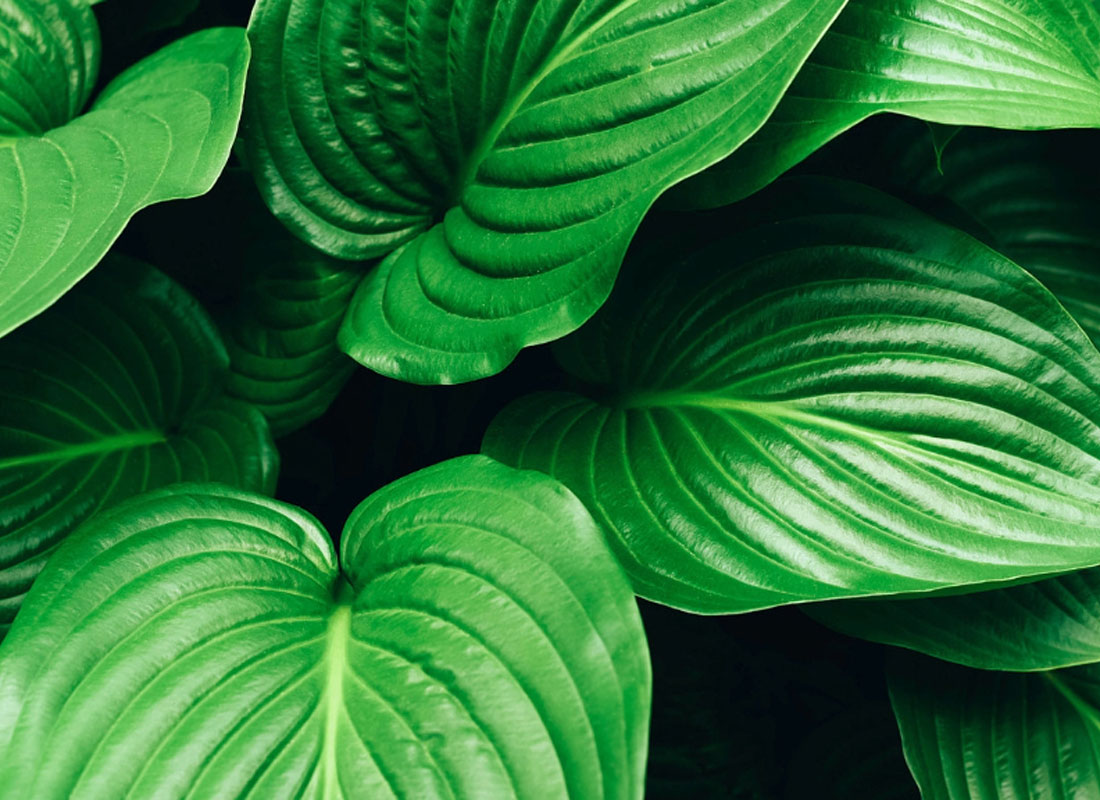
Plants for Light Shade (Part Sun) on Long Island
Light shade is one of the most common “in-between” conditions we see on Long Island—yards that get a few hours of sun, but not enough to be full-sun, and not dark enough to be deep shade. It might be dappled light under a mature oak, morning sun with afternoon shade on the north side of the house, or filtered sun beside a fence and tall evergreens. At Louis Contino Landscaping, Inc., we design planting plans around these real-world conditions, because light shade can be one of the easiest places to create a landscape that looks lush, layered, and intentional—without turning into a constant maintenance battle.
What exactly is “light shade”?
Light shade usually means 3–5 hours of direct sun, or sun that’s filtered through tree canopies. You’ll often hear it called part sun or part shade. It’s bright enough for many flowering perennials and shrubs, but you still need plants that won’t scorch or struggle when the sun disappears midday.
Quick signs you have light shade:
- The area is bright most of the day, but direct sun is limited.
- You can grow grass (sometimes thin), but it’s not dense like full sun.
- Plants that “need shade” survive, but may not bloom heavily unless they get a bit of morning sun.
- Soil stays slightly more moist than full-sun beds (especially under trees where roots drink water fast).
How Louis Contino Landscaping chooses light-shade plants
When we build a planting plan, we don’t just choose “shade plants.” We choose the right shade plants for your specific site. Here’s what matters most:
1) Morning sun vs. afternoon sun
Morning sun is gentle. Afternoon sun can be intense—especially against a light-colored wall or pavers that reflect heat. Plants that tolerate part shade may still burn in hot afternoon sun.
2) Dry shade under trees
Under mature trees, the shade isn’t the only issue—tree roots compete for water. The best plants here are drought-tolerant once established and can handle root competition.
3) Soil and drainage
Light shade beds can stay damp longer, which is great for ferns and hostas—but risky for plants that hate “wet feet.” On Long Island, drainage can vary wildly from sandy soils to heavier pockets.
4) Deer pressure
In many LI neighborhoods, deer are a constant factor. We often design with deer-resistant anchors and then selectively add “deer candy” only if the client is willing to protect or spray.
Best shrubs for light shade (structure plants)
Shrubs are the backbone of a landscape—these are the plants that keep your yard looking finished even when perennials die back.
Hydrangea (Bigleaf, Panicle, Oakleaf—choose the right type)
- Why we love it: Huge seasonal impact, classic Long Island look.
- Best use: Foundation beds, side-yard borders, focal points.
- Tip: Bigleaf hydrangeas enjoy morning sun/afternoon shade; panicle types can take more sun; oakleaf adds great texture and fall color.
Pieris japonica (Japanese Andromeda)
- Why it works: Evergreen structure + spring blooms.
- Light shade benefit: Doesn’t scorch as easily as some broadleaf evergreens in harsh sun.
- Bonus: Beautiful new growth and a refined look for higher-end landscapes.
Ilex (Holly) – Inkberry & other shade-tolerant hollies
- Why we specify it: Reliable evergreen massing and a clean, modern look when pruned properly.
- Best use: Foundation evergreen, low hedges, mixed shrub borders.
Rhododendron & Azalea
- Why it works: Classic shade flowering shrubs.
- Important: Needs acidic soil and consistent moisture. Perfect for bright, filtered shade.
- Design note: These look best when paired with evergreens and woodland-style perennials.
Viburnum (select varieties)
- Why we like it: Great screen, seasonal flowers, berries (wildlife-friendly).
- Tip: Some viburnums tolerate part shade well—great for layered privacy where sun is limited.
Best perennials for light shade (color + texture)
This is where light shade shines. We at Louis Contino Landscaping are experts in creating a bed that looks full and rich, with repeating textures.
Hosta
- Why it’s a staple: Big, bold foliage in countless sizes and colors.
- Where it shines: Under trees, along walkways, in bright foundation shade.
- Reality check: Deer love hosta. If deer are active, we often avoid it or use it only near protected areas.
Heuchera (Coral Bells)
- Why we use it: Foliage color—burgundy, lime, caramel, near-black.
- Best use: Bed edging, mixed plantings, modern landscapes.
- Bonus: Holds interest from spring through late fall.
Brunnera (Siberian Bugloss)
- Why it’s special: Heart-shaped leaves, often silver-variegated; tiny blue spring flowers.
- Best use: Brightening shady corners, pairing with dark evergreens.
Astilbe
- Why it’s a favorite: Feathery blooms and elegant texture.
- Needs: Consistent moisture—great for areas that stay slightly damp.
- Design note: Looks incredible massed in drifts.
Helleborus (Lenten Rose)
- Why we love it: One of the earliest bloomers; evergreen-ish foliage.
- Best use: Front of woodland beds, under shrubs, near entry paths.
- Bonus: Often more deer-resistant than many “pretty” shade plants.
Japanese Forest Grass (Hakonechloa)
- Why it’s a signature plant: Soft, flowing, high-end look.
- Best use: Borders, under trees, around stone steps.
- Tip: Beautiful contrast with boxwood, pieris, or dark mulch.
Ferns (Japanese Painted, Autumn Fern, Lady Fern)
- Why they work: Reliable texture, natural look, low drama.
- Best use: Woodland edges, behind hosta/heuchera layers, shady side yards.
Bleeding Heart (Dicentra)
- Why it’s loved: Romantic spring flowers.
- Note: Some varieties go dormant in summer—plan companion plants to fill in.
Pulmonaria (Lungwort)
- Why it’s useful: Spotted foliage + early spring blooms.
- Best use: Bed edges in part shade where you want early color.
Best groundcovers for light shade (weed control + softness)
If you want a bed that stays neat and doesn’t become a weeding project, groundcovers matter.
Pachysandra
- Why it’s common: Durable, evergreen, fast coverage.
- Best use: Under trees and large mass plantings.
- Design tip: Looks best as a clean carpet with defined edges.
Vinca minor (Periwinkle)
- Why it works: Evergreen, purple-blue flowers, good coverage.
- Note: Can spread aggressively in some settings—use intentionally.
Ajuga (Bugleweed)
- Why we use it: Fast coverage + spring flowers + dark foliage varieties.
- Best use: Slopes, bed edges, between stepping stones in part shade.
Lamium
- Why it’s great: Variegated leaves brighten shade; small flowers.
- Best use: Under shrubs and along shady walkways.
Ornamental trees for light shade areas
Sometimes the best “shade solution” is choosing a small tree that creates the right filtered light and adds structure.
Japanese Maple (Acer palmatum)
- Why it’s perfect: Beautiful form, refined look, loves morning sun/afternoon shade.
- Use: Near patios, entry gardens, courtyard-style designs.
Dogwood (Cornus florida / kousa)
- Why it works: Spring flowers, layered branching, great in part shade.
- Tip: Kousa dogwoods are often tougher and more disease-resistant.
Serviceberry (Amelanchier)
- Why we love it: Spring blooms, berries, fall color.
- Best use: Naturalistic and classic landscapes.
Deer-resistant options for light shade (Long Island reality)
If deer are a problem, we lean on plants that are more resistant (nothing is 100% deer-proof).
Often deer-resistant in light shade:
- Helleborus
- Ferns
- Pieris japonica
- Many hollies (Ilex)
- Some ornamental grasses (including Hakonechloa, depending on deer pressure)
- Boxwood (sometimes browsed lightly, but generally more resistant than hosta)
If you want hostas and hydrangeas in a deer-heavy zone, we usually recommend a plan that includes repellents, seasonal protection, or strategic placement closer to the house.
Simple planting combinations we use in design plans
Here are a few proven “recipes” that look professional and stay balanced:
1) Classic Foundation (Bright Shade)
- Inkberry holly (structure)
- Hydrangea (seasonal show)
- Heuchera + Brunnera (foliage contrast)
- Pachysandra or Lamium (clean ground layer)
2) Woodland Luxury (Filtered Shade Under Trees)
- Japanese maple (focal tree)
- Ferns + Hakonechloa (texture + motion)
- Hellebores (early-season flowers)
- Pulmonaria (spring color)
3) Low-Maintenance Side Yard
- Pieris + holly (evergreen backbone)
- Astilbe (color if moisture is available)
- Ajuga or pachysandra (weed suppression)
Maintenance tips for success in light shade
A great plant palette only performs if it’s installed and maintained correctly.
Mulch matters
We typically recommend a clean, consistent mulch layer (not piled against stems) to conserve moisture and keep beds tidy.
Watering in “dry shade”
Even though it’s shady, areas under trees can be very dry. New plantings need deep watering until roots establish.
Pruning for light
Sometimes the best improvement is selective tree limb-up pruning to increase filtered light and airflow.
Soil improvement
In many beds, especially under trees, adding organic matter and using the right planting depth makes a huge difference in long-term health.
Final thoughts from Louis Contino Landscaping, Inc.
Light shade doesn’t have to mean “boring shade plants.” In fact, it’s one of the best conditions for building a landscape with layers—evergreen structure, bold foliage, and seasonal flowers that feel calm, classic, and high-end. Whether you’re upgrading a foundation bed, refreshing a pool-side border that gets half-day sun, or trying to get a side yard to look intentional, the key is choosing plants that match the exact light and moisture conditions on your property.
Feel free to call us at Louis Contino Landscaping for a free estimate at 631-351-5409.