
Osmanthus Varieties for Northeast Landscapes
When homeowners across Long Island look for evergreen shrubs that provide privacy, fragrance, elegance, and year-round structure, Osmanthus is an excellent option.
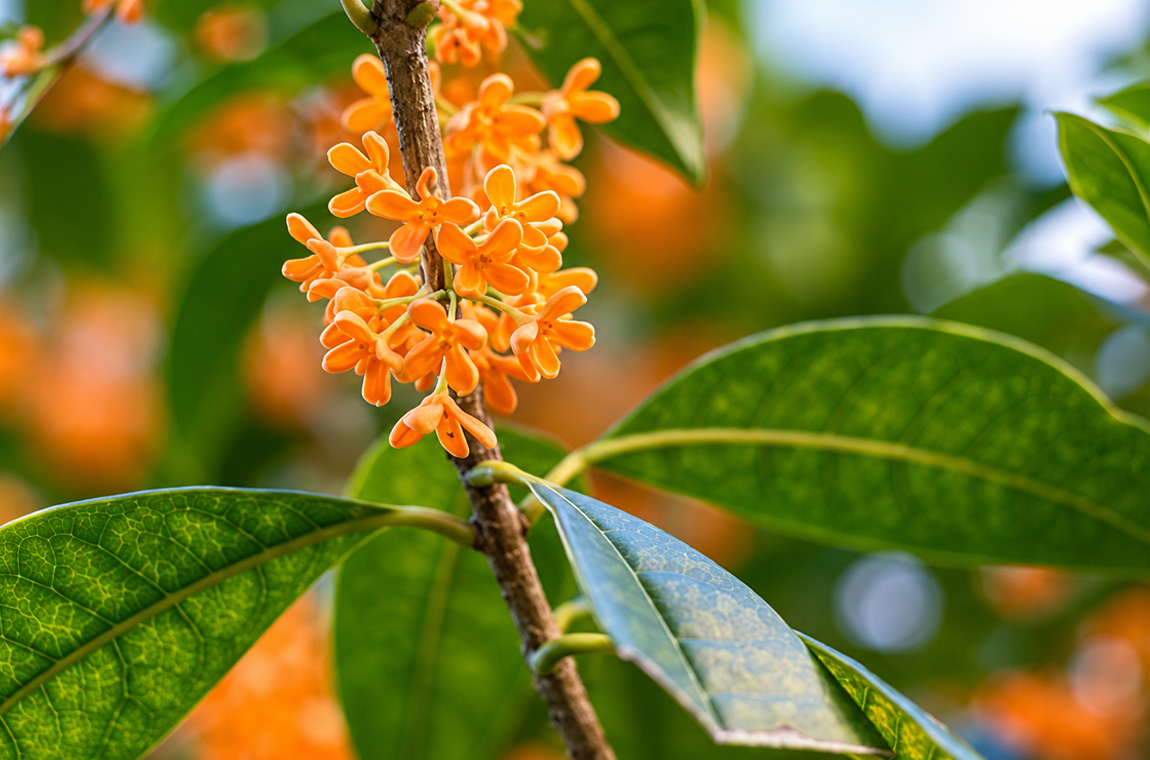
Commonly known as Sweet Olive, Osmanthus is an evergreen shrub or small tree with glossy foliage and fragrant blooms. Although associated with warmer climates, several varieties can perform well in protected Northeast landscapes with proper placement and care.
At Louis Contino Landscaping, Inc., we use Osmanthus to enhance residential landscapes throughout Nassau and Suffolk County, including Oyster Bay and surrounding communities.
What Is Osmanthus?
Osmanthus belongs to the olive family (Oleaceae). Many varieties feature:
- Glossy, leathery evergreen foliage
- White to creamy flowers
- Sweet, fruity fragrance
- Excellent screening potential
- Moderate to high deer resistance
Osmanthus adds a refined garden appearance while providing practical landscape benefits.
1. Osmanthus heterophyllus (Holly Osmanthus)
This is one of the most cold-hardy Osmanthus varieties for Long Island landscapes.
Key Features
- Zone: 6–9
- Height: 8–12 feet, potentially reaching 15 feet
- Spread: 6–8 feet
- Holly-like foliage
- Fragrant white flowers in fall
Landscape Uses
We use this variety for privacy hedges, foundation plantings, wind buffering, and formal garden structure. It offers dark green foliage and strong texture, making it an alternative to traditional boxwood or cherry laurel.
Popular Cultivars
- ‘Goshiki’ – Cream, gold, and green variegated foliage
- ‘Sasaba’ – Narrow leaves with distinctive texture
2. Osmanthus fragrans (Sweet Olive)
Osmanthus fragrans is valued for its exceptional fragrance, which is often described as sweet, fruity, and apricot-like.
Key Features
- Zone: 7–10
- Marginal in much of Long Island
- Best suited to protected locations
We typically recommend this variety for sheltered patios, south-facing masonry walls, containers, and enclosed garden rooms. Dwarf and orange-flowering selections can also be used in suitable landscape settings.
3. Osmanthus × burkwoodii (Burkwood Osmanthus)
This hybrid combines fragrance with useful cold tolerance for Northeast landscapes.
Key Features
- Zone: 6–8
- Height: 8–10 feet
- Bloom Time: Early spring
Its dense growth makes it suitable for property lines, privacy screening, patios, and evergreen borders. It pairs well with hydrangeas, ornamental grasses, and bluestone patios.
4. Osmanthus delavayi
Osmanthus delavayi offers smaller leaves, compact growth, and abundant spring flowers.
Key Features
- Zone: 7–9
- Dense, compact growth
- Heavy spring flowering
This variety is best suited to protected coastal gardens, courtyards, and mild microclimates where winter exposure is limited.
5. Osmanthus americanus
This native southeastern species is less common in the Northeast but may be suitable for selected landscape applications.
Key Features
- Zone: 6b–9
- Slower-growing habit
- Wildlife value
We may consider it for naturalistic landscapes and planting designs that incorporate a broader range of plant characteristics.
Design Applications in Long Island Landscapes
At Louis Contino Landscaping, we use Osmanthus for several landscape purposes.
Privacy Screens
Evergreen foliage provides year-round screening along property lines and within layered planting designs.
Fragrant Garden Rooms
When planted near seating areas and patios, Osmanthus adds fragrance to outdoor entertaining spaces.
Foundation Plantings
Evergreen forms provide structure around modern homes and traditional properties throughout the seasons.
Coastal Landscapes
Certain varieties may perform well in coastal settings when exposure, wind, and planting conditions are carefully considered.
Growing Conditions
Sunlight: Osmanthus performs well in full sun to partial shade. Full sun generally supports better flowering.
Soil: Well-drained, slightly acidic soil is preferred. Heavy clay may require improvement.
Water: Moderate watering is important during establishment. Once established, Osmanthus can tolerate periods of drought.
Wind Protection: Protected locations are especially important near waterfront properties. Layered windbreaks, masonry walls, and winter protection can help young plants survive.
Deer Resistance
Osmanthus is considered moderately to highly deer resistant. However, no plant is completely deer-proof, and browsing pressure may vary by location and season.
Maintenance and Pruning
Prune Osmanthus lightly after flowering to maintain its shape. Apply slow-release evergreen fertilizer during spring and add mulch around the root zone.
In exposed locations, burlap protection may be useful during the first winter. Proper maintenance supports healthy growth and preserves the plant’s natural form.
Combining Osmanthus with Other Landscape Elements
Osmanthus pairs beautifully with:
- Bluestone patios
- Cambridge pavers
- Ornamental grasses
- Hydrangea paniculata
- Boxwood edging
- Stone retaining walls
These combinations create a refined Northeast garden aesthetic with structure, texture, and seasonal interest.
Is Osmanthus Right for Your Property?
Before selecting a variety, we evaluate exposure, drainage, deer pressure, wind conditions, design goals, and maintenance requirements.
Long Island properties have different microclimates, from waterfront estates to shaded residential gardens. Choosing the correct Osmanthus variety and planting location is essential for long-term success.
Final Thoughts
Osmanthus is an underutilized evergreen shrub that offers year-round structure, fragrance, privacy, deer resistance, and refined elegance.
At Louis Contino Landscaping, Inc., we focus on selecting the right plant for the right place. Whether designing a privacy hedge, planting a foundation border, or creating a fragrant patio retreat, Osmanthus can provide lasting beauty and function in carefully planned Northeast landscapes.