
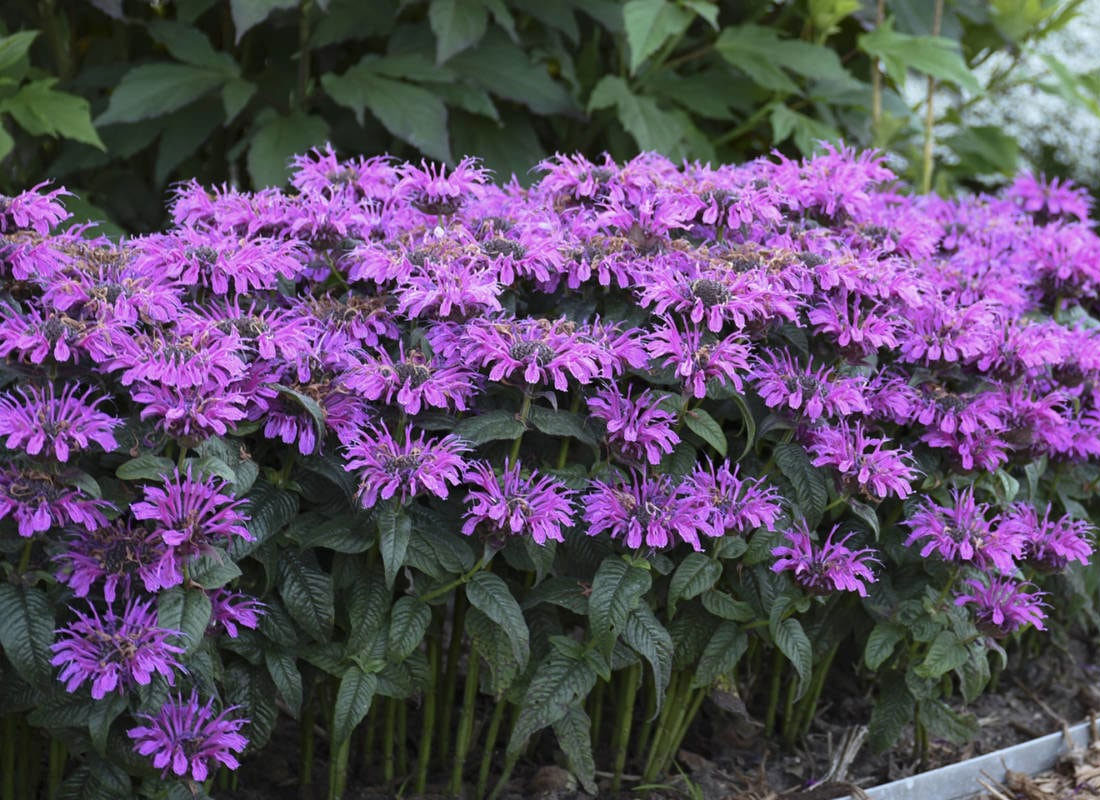
Monarda (Bee Balm)
There’s something undeniably joyful about Monarda — vibrant, fragrant, buzzing with pollinators, and versatile in the landscape. Known commonly as bee balm, this beloved perennial offers spectacular blooms, aromatic foliage, and year-after-year performance in beds, borders, cottage gardens, and even containers.
What Is Monarda?
Monarda is a genus of herbaceous perennial plants in the mint family (Lamiaceae), native to North America. Many gardeners know it by its common name bee balm, though it’s also called horsemint and wild bergamot depending on the species or region.
These plants are treasured for:
Bright, showy flowers in reds, pinks, purples, and whites
Aromatic foliage that releases a minty scent when touched
Long bloom periods
Strong attraction to bees, butterflies, and hummingbirds
Most Monarda bloom in mid to late summer, making them a garden centerpiece when many early-season perennials have faded.
Magic of Monarda Flowers
Monarda flowers are structured in dense, rounded clusters, technically “capitula,” often atop square stems — a classic mint-family trait. Their crown-like, spiky blooms are as beautiful as they are functional: pollinators love them.
Whether you’re watching honeybees forage, butterflies flutter between blooms, or hummingbirds hover over nectar-rich blossoms, Monarda brings life and movement to summer gardens.
Popular Monarda Species & Varieties
There are several species of Monarda, each with its own personality. Below are garden favorites:
1. Monarda didyma — Classic Bee Balm
Common names: Bee Balm, Scarlet Bee Balm
Height: 2–4′
Bloom: Mid to late summer
Color palette: Reds, pinks, purples
This is the classic bee balm most gardeners imagine. Known for large, vibrant flower heads and a wide range of cultivars, M. didyma is especially good for adding bold color to the middle or back of perennial borders.
Popular varieties include:
‘Jacob Cline’ — brilliant red blooms, compact habit
‘Gardenview Scarlet’ — deep red flowers with strong vigor
‘Marshall’s Delight’ — pink to red flowers with excellent performance
These varieties are prized for flower power and pollinator appeal.
2. Monarda fistulosa — Wild Bergamot
Common names: Wild Bergamot, Bee Balm
Height: 2–3′
Bloom: Mid summer
Color palette: Lavender, soft purple, pinkish hues
M. fistulosa is often considered the native bee balm, featuring more subtle, pastel-toned flowers compared to the fiery reds of M. didyma.
This species is perfect for:
Naturalistic plantings
Pollinator gardens
Meadows & prairie edges
Its delicate lavender flowers pair beautifully with grasses and airy perennials.
3. Monarda bradburiana — Bradbury’s Bee Balm
Common names: Bradbury’s Bee Balm
Height: 2–3′
Bloom: Summer
Color palette: Light pinks and lavender
A lesser-known species with lighter, elegant blooms, M. bradburiana brings a softer vibe to garden compositions and blends particularly well in pollinator plantings and meadowscapes.
4. Monarda citriodora — Lemon Bee Balm
Common names: Lemon Bee Balm, Lemon Mint
Height: 1.5–3′
Bloom: Summer
Color palette: Lavender, pinkish lavender
True to its name, this species has lemon-scented foliage that releases citrusy fragrance when brushed — a delightful sensory bonus in informal gardens or sensory plantings.
It’s a great pollinator attractor and works well in:
Butterfly gardens
Herb gardens
Casual, mixed borders
Planting & Growing Conditions
Monarda thrives when you give it the basics — sunlight, moisture, and air circulation.
Light
Full sun: Best for abundant blooms and strong stems
Light shade: Tolerable, especially in hot climates
Generally, more sun = more flowers.
Soil
Prefers rich, well-drained soil
Tolerates a variety of soils, but hates bone dry conditions
Likes evenly moist soil — especially when establishing
Water
Consistent moisture is key, especially in hot, dry summers. A layer of organic mulch helps retain soil moisture and suppress weeds.
Planting Tips
Spacing: 18–24″ apart to ensure good air circulation
Timing: Spring or early fall planting gives roots time to establish
Mulch: Apply 2–3″ mulch around plants, keeping it away from the crown
Care & Maintenance
Monarda is not a “set it and forget it” plant — a little care goes a long way.
Deadheading
After the first flush of blooms, deadheading, or removing spent flowers, encourages a longer bloom period.
Cutting Back
Late season or late fall: cut back stems after frost to reduce overwintering pests and tidy the garden.
Division
Every 2–3 years, divide clumps in early spring or fall to:
Prevent overcrowding
Boost vigor
Reduce disease pressure
Common Pests & Diseases and How to Manage Them
Monarda can be susceptible to a couple of issues — but with proper care, they’re easily managed.
Powdery Mildew
One of the most common concerns for Monarda, especially in humid conditions.
Signs: White, powdery coating on leaves
Prevention & Control:
Improve spacing & airflow
Avoid wetting foliage when watering
Use resistant varieties
Some newer cultivars bred for powdery mildew resistance significantly reduce this problem.
Spider Mites & Aphids
Less common but possible in hot, dry weather.
Management:
Blast with water
Encourage beneficial insects, such as ladybugs and lacewings
Avoid heavy nitrogen fertilizer, which promotes soft new growth that pests love
Crown Rot
Can occur in very wet soils or heavy clay.
Prevention:
Ensure good drainage
Avoid planting in soggy areas
Top Monarda Varieties to Know
Here’s a curated list of fan-favorite cultivars — including those bred for vigor, color, and disease resistance:
Wildlife & Pollinator Benefits
One of the best things about Monarda? It buzzes with life.
Bees
Bumblebees, honeybees, native solitary bees — they all flock to Monarda’s nectar-rich blooms.
Butterflies
Swallowtails, monarchs, and other butterflies use Monarda as a nectar source throughout summer.
Hummingbirds
Red and brightly colored varieties almost glow to hummingbirds, who hover and sip repeatedly.
Garden Design Ideas Using Monarda
Monarda is versatile — here are ways to use it effectively in your landscape:
1. Cottage Garden Classic
Plant Monarda with:
Delphinium
Shasta daisies
Coreopsis
Lavender
The result? A timeless, colorful border full of texture and blooms.
2. Pollinator Border
Combine with:
Echinacea
Rudbeckia
Salvia
Asters
This mix guarantees color from midsummer through fall and nonstop pollinator visits.
3. Natural Meadow & Prairie Planting
Let M. fistulosa and M. bradburiana mingle with big bluestem, switchgrass, and wildflowers for a meadow-like tapestry.
4. Containers & Patio Gardens
Shorter, compact varieties, like petite selections, bring summertime charm to pots and patio planters.
FAQs About Monarda
Q: When does Monarda bloom?
A: Typically mid-summer through early fall, depending on location.
Q: Does Monarda spread aggressively?
A: It can spread by rhizomes but is easily controlled with division and spacing.
Q: Is Monarda deer resistant?
A: Not strongly — deer may nibble foliage in high browse pressure areas. Pair with truly deer-resistant plants or use protective measures where deer are active.
Q: Why does Monarda get powdery mildew?
A: Often from crowded plants and poor air circulation. Choose resistant varieties and give proper space.
Final Thoughts
Monarda is a joyful, vibrant, pollinator-friendly perennial that brings color, fragrance, and wildlife activity to gardens of all styles. From classic reds to soft lavenders, and from formal borders to naturalistic meadows, bee balm has earned its place in landscapes everywhere.
With the right variety, site conditions, and a little seasonal care, your Monarda can be a summer centerpiece year after year.