
Lilac Varieties for the Northeast (and Long Island): A Louis Contino Landscaping Guide
Lilacs are one of those plants that instantly make a property feel established. The fragrance hits you before you even see the blooms, and for a few weeks each spring the whole landscape feels brighter, softer, and more “classic.” In the Northeast—especially here on Long Island—lilacs can be incredibly rewarding if you pick the right varieties and give them the right conditions.
At Louis Contino Landscaping, we use lilacs as foundation shrubs, back-of-bed anchors, screening shrubs, and specimens near patios, walkways, or entries. This guide covers popular lilac types, standout varieties, and how to choose the right one for your yard.
Quick Lilac Basics (So You Choose the Right Plant)
Most lilacs fall under the genus Syringa. They’re generally cold-hardy and do best in the traditional Northeast climate pattern: cold winter dormancy, a real spring, and decent airflow.
What Lilacs Want Most:
- Full sun: More sun generally means more flowers.
- Well-drained soil: Lilacs dislike “wet feet.”
- Good airflow: Helps with powdery mildew.
- Proper pruning: Prune right after flowering, not in fall.
On Long Island, drainage and salt or wind exposure near the coast require special attention. Variety selection and placement matter.
1) Common Lilac (Syringa vulgaris): The Classic Fragrance Powerhouse
Common lilac offers strong traditional fragrance and large flower clusters in mid-to-late spring. Some older varieties can be more prone to powdery mildew in humid areas when planted too tightly or in partial shade.
Standout Varieties:
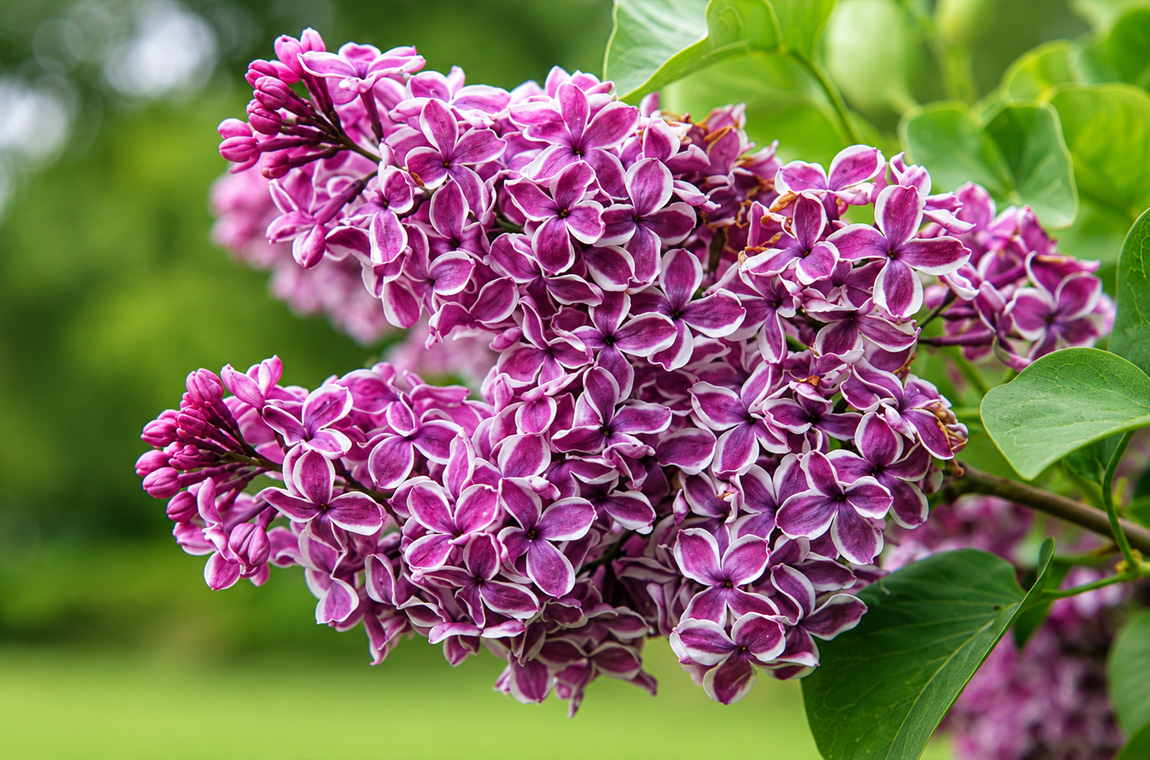
‘Sensation’
Purple blooms with crisp white edges, offering a distinctive and classic appearance.
‘Madame Lemoine’
A well-known white lilac with an elegant look, ideal near darker evergreens or cedar-shingle homes.
‘Charles Joly’
Features deep reddish-purple blooms and a traditional, romantic appearance.
‘Katherine Havemeyer’
A classic double-flowering lilac with dense clusters and excellent fragrance.
Design Tip from Louis Contino Landscaping:
Plant common lilac near walkways, patio gates, or deck corners where its fragrance can be enjoyed.
2) Early Blooming Lilacs: Extend the Season
Planting early, mid, and late bloomers can help extend the lilac season. Early lilacs can overlap with tulips, daffodils, and early perennials, creating layered planting beds.
Syringa hyacinthiflora is an early lilac hybrid group that can bloom before common lilacs.
Where They Shine:
Front-yard beds, entry walks, and spring spotlight areas where early color and fragrance are desired.
3) Korean Lilacs + Dwarf Lilacs: Perfect for Tighter Spaces
Korean lilacs and dwarf varieties offer compact forms that fit modern landscape layouts and smaller residential properties.
‘Miss Kim’ Korean Lilac
Miss Kim blooms later than many lilacs, helping extend the season. It is also known for good powdery mildew resistance compared with many traditional common lilacs.
Great Uses:
- Near patios for fragrance
- Along walkways
- As a small flowering hedge
Dwarf Korean Lilac ‘Palibin’
‘Palibin’ is a compact lilac suitable for foundation plantings, mixed shrub borders, and smaller planting areas.
Great Uses:
- Along front walks
- Flanking driveway entrances
- Courtyard-style planting beds
- Near sitting areas
Louis Contino Landscaping Note:
For homeowners who want lilacs without a giant shrub taking over, Palibin and Miss Kim are useful varieties to consider.
4) Preston Lilacs: Late Bloomers Built for Cold Climates
Preston lilacs, also called Canadian lilacs, are known for blooming later than common lilacs. They help extend the flowering season.
Standout Varieties:
‘Hiawatha’
Known for pale pink blooms that appear after the common lilac flowering period.
‘Miss Canada’
Known for bright pink blooms and a vigorous, non-suckering habit.
Why Choose Preston Lilacs?
- Extend bloom time later into spring
- Offer strong cold tolerance
- Work well in larger back borders and property lines
5) Reblooming Lilacs: The “Spring Plus a Little More” Option
Reblooming varieties, often marketed as Bloomerang lilacs, can flower in spring and rebloom later under suitable conditions.
What to Know:
- Spring flowering is usually the strongest.
- Reblooming varies with sun, watering, and plant health.
- Spring should still be considered the main flowering season.
6) Tree Lilacs: A Different Look
Japanese tree lilac, often identified as Syringa reticulata, offers a tree form with a cleaner trunk and canopy.
Ideal Uses:
- Focal points in lawns
- Near patios
- Street-side ornamental planting
- Areas requiring a single-trunk appearance
Tree lilacs provide flowers and seasonal interest without a traditional bushy hedge appearance.
How We Help Clients Choose the Right Lilac
Space Requirements:
- Tight foundation beds: Palibin, Miss Kim
- Medium shrub borders: Miss Kim, common lilacs
- Large property lines: Common lilac, Preston lilacs
Fragrance:
- Maximum fragrance: Common lilacs
- Smaller fragrant shrubs: Miss Kim / Palibin
Bloom Extension:
- Earlier blooms: Early hybrids
- Later blooms: Preston lilacs
- Possible repeat blooms: Reblooming varieties
Planting and Care Tips
Sun and Spacing
Lilacs need sun to bloom well. Give plants enough room for airflow.
Soil and Drainage
Lilacs prefer well-drained soil. Heavy or wet areas may require drainage improvements.
Pruning Timing
Prune right after flowering, not in fall, to avoid removing next year’s flower buds.
Powdery Mildew Prevention
- Full sun
- Avoid overcrowding
- Prune for airflow
- Choose resistant varieties when possible
Lilacs in Landscape Design
Classic Spring Border: Common lilac or Preston lilac in the back layer, hydrangeas or viburnums in the middle, and catmint, salvia, allium, or low ornamental grasses in front.
Patio Fragrance Corner: Place Miss Kim or Palibin near a sitting area with boxwood, lavender, nepeta, and spring bulbs.
Season Extension Plan: Combine early lilac, common lilac, and Preston lilac for a longer flowering season.
Need Help Picking the Right Lilac for Your Property?
Louis Contino Landscaping can help you choose the right lilac varieties, position them for maximum bloom and fragrance, and design companion plantings that maintain seasonal interest after lilac season ends.