
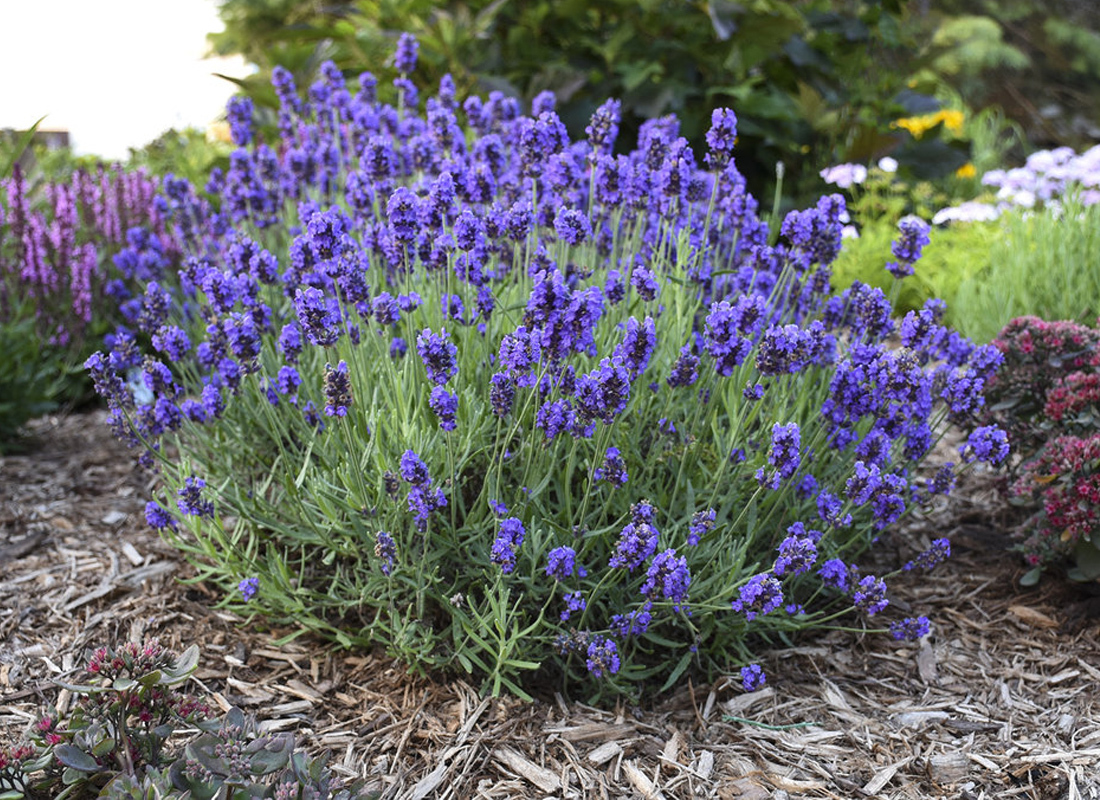
Lavender
Lavender is one of those plants that seems almost too good to be true. It’s elegant but tough, fragrant but low-maintenance, beloved by humans and pollinators alike—and famously deer resistant. For gardeners who are tired of watching their hard work turn into a midnight snack, lavender feels like a small miracle.
Whether you’re designing a cottage garden, planting a drought-tolerant landscape, or just want something that smells amazing every time you brush past it, lavender earns its place. In this blog, we’ll explore lavender’s history, why deer avoid it, how to grow it successfully, and the many ways it can transform your garden and home.
A Brief History of Lavender
Lavender has been cultivated for over 2,500 years. Its name comes from the Latin lavare, meaning “to wash,” because the Romans used it to scent their baths, clothes, and homes. Ancient Egyptians used lavender in perfumes and mummification rituals, while medieval Europeans believed it could ward off disease and evil spirits.
Fast-forward to today, and lavender is grown worldwide—from the rolling purple fields of Provence to backyard gardens and urban balconies. Its long history speaks to its versatility, resilience, and enduring appeal.
Why Lavender Is Deer Resistant
Let’s talk about the big win: deer resistance.
Deer rely heavily on smell when foraging, and lavender’s intense aroma is exactly what turns them away. The plant’s essential oils—particularly linalool and camphor—are overwhelming to deer and many other browsing animals. Its slightly fuzzy, tough leaves also make it less appealing to chew.
Important note: No plant is 100% deer-proof. If deer are starving, they may sample almost anything. But lavender is consistently ranked as one of the most deer-resistant plants you can grow, making it a smart choice for high-pressure areas.
Popular Types of Lavender
Not all lavender is the same. Choosing the right type is key to success in your climate.
English Lavender (Lavandula angustifolia)
- Best fragrance
- Cold hardy (Zones 5–9)
- Compact and tidy
- Great for culinary use
Popular varieties:
- ‘Hidcote’
- ‘Munstead’
French / Spanish Lavender (Lavandula stoechas)
- Showy “rabbit ear” blooms
- Less cold hardy (Zones 8–10)
- Long blooming season
- More ornamental than fragrant
Hybrid Lavender (Lavandula x intermedia)
- Larger plants
- Long flower stems
- Excellent for cutting and drying
- Very deer resistant
How to Grow Lavender Successfully
Lavender thrives when you don’t baby it too much. In fact, too much care is often its downfall.
Sun
- Full sun is essential
- At least 6–8 hours per day
Soil
- Excellent drainage is non-negotiable
- Prefers sandy or rocky soil
- Avoid heavy clay unless amended heavily
Water
- Drought tolerant once established
- Overwatering is the most common mistake
- Water deeply but infrequently
Spacing
- Good air circulation prevents disease
- Space plants 18–24 inches apart
Pruning for Health and Beauty
Pruning lavender keeps it compact, healthy, and blooming year after year.
- Prune lightly after flowering
- Never cut into woody growth
- In cold climates, wait until spring
- Remove up to one-third of the plant at most
Regular pruning also helps prevent the plant from becoming leggy and unattractive.
Lavender and Wildlife (The Good Kind)
While deer avoid lavender, pollinators adore it.
- Bees flock to lavender flowers
- Butterflies frequently visit
- Supports beneficial insects
This makes lavender an ideal plant for eco-friendly gardens that balance beauty with biodiversity.
Landscaping with Lavender
Lavender is incredibly versatile in design.
Ideas for Using Lavender:
- Garden borders and edging
- Rock gardens
- Mediterranean-style landscapes
- Containers and raised beds
- Hedges and low fences
Because deer usually won’t cross or linger near lavender, it’s often planted around more vulnerable plants as a natural deterrent.
Harvesting and Using Lavender
Lavender doesn’t just look good — it’s incredibly useful.
When to Harvest
- Just as buds begin to open
- Early morning for best fragrance
How to Use Lavender
- Dried bouquets
- Sachets for drawers and closets
- Essential oil
- Candles and soaps
- Culinary uses (English lavender only)
Its scent is calming, stress-reducing, and known to promote better sleep.
Lavender as a Sustainable Plant Choice
Lavender checks a lot of boxes for sustainable gardening:
- Low water needs
- Long lifespan
- Minimal fertilizer requirements
- Resistant to pests and deer
- Supports pollinators
In an era of climate-conscious gardening, lavender is a standout choice.
Common Mistakes to Avoid
Even though lavender is easygoing, a few missteps can cause trouble:
- Planting in soggy soil
- Overwatering
- Too much fertilizer
- Not enough sunlight
- Skipping pruning altogether
Treat lavender more like a wild Mediterranean plant than a delicate flower—and it will reward you.
Final Thoughts: Why Lavender Belongs in Your Garden
Lavender is more than just a pretty plant. It’s a hard-working, deer-resistant, drought-tolerant, pollinator-friendly powerhouse that brings beauty, fragrance, and calm wherever it grows.
For gardeners battling deer, lavender offers peace of mind. For anyone who loves scent and color, it offers daily joy. And for the planet, it offers a sustainable, low-impact option that fits beautifully into modern landscapes.