
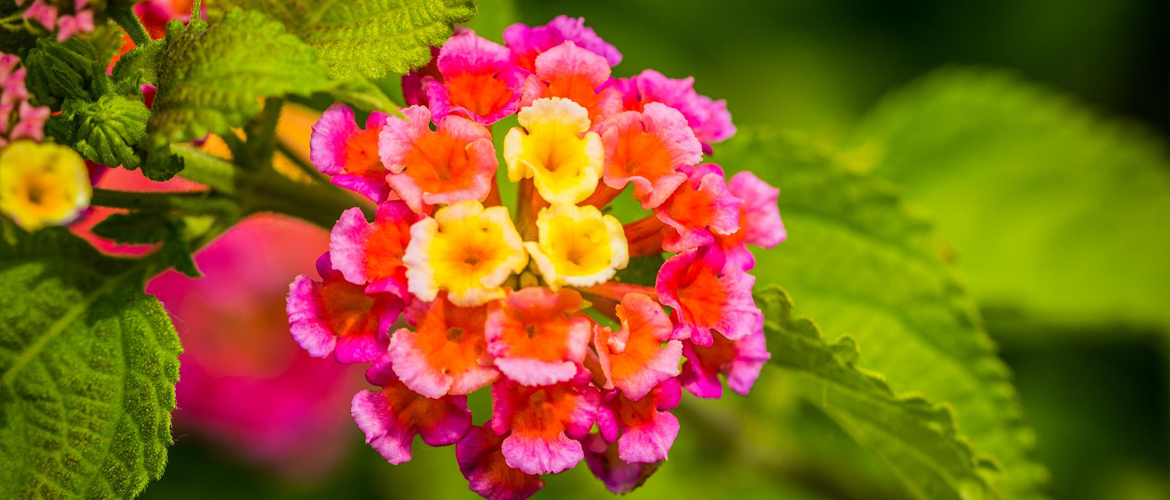
Lantana ‘Bandana Cherry Sunrise’
A Bold, Heat-Loving Bloomer for Long Island Landscapes
When homeowners across Long Island want vibrant summer color, heat tolerance, and low-maintenance flowering plants, Lantana ‘Bandana Cherry Sunrise’ is an excellent choice. At Louis Contino Landscaping, we recommend this colorful variety for sunny gardens, patios, containers, and landscape borders.
Known for its striking cherry-red and golden-yellow flower clusters, this compact lantana creates a beautiful sunrise effect throughout the growing season. Although perennial in warmer climates, it is grown as an annual in New York, providing continuous color from late spring until the first frost.
Botanical Overview
Botanical Name: Lantana camara ‘Bandana Cherry Sunrise’
Common Name: Bandana Cherry Sunrise Lantana
Plant Type: Annual in the Northeast
Mature Height: 12–18 inches
Mature Spread: 18–24 inches
Light Requirement: Full sun
Bloom Time: Late spring through frost
Flower Color: Cherry red and golden yellow
Foliage: Deep green, textured, aromatic
Pollinator Attraction: Excellent
The Bandana series is known for compact growth, improved branching, and consistent flowering. Its colorful blooms create attractive combinations of red and yellow.
Why We Love It at Louis Contino Landscaping
Long Island summers bring heat, humidity, and occasional dry conditions. Lantana performs exceptionally well in these environments, making it a dependable choice for exposed sunny locations.
We frequently recommend this variety for poolside plantings, patio containers, driveway borders, rooftop gardens, commercial entry planters, and coastal properties. Its ability to tolerate heat and occasional drought makes it especially valuable where other annual flowers may struggle.
Flower Characteristics & Visual Appeal
The flower clusters, technically called umbels, contain numerous small tubular blooms. Buds typically open yellow before developing deeper cherry-red tones.
Individual clusters often display both colors simultaneously, creating a beautiful sunset-inspired appearance. These warm shades complement natural bluestone, limestone paving, and other outdoor landscape materials.
Performance in Long Island Climate
Lantana is generally perennial in warmer regions but cannot reliably survive Long Island winters outdoors. Therefore, it is best grown as a seasonal annual.
It performs particularly well because it tolerates summer heat, handles humidity, requires minimal deadheading, and recovers well from occasional dry spells. Its flowering performance often continues into September and October until frost arrives.
Ideal Landscape Applications
Pool & Patio Borders: Its compact growth makes it ideal for sunny pool decks and stone patios without obstructing views.
Container Design: Combine lantana with purple calibrachoa, white angelonia, blue salvia, or ornamental grasses for attractive seasonal arrangements.
Mass Planting: Groups of six to ten plants create colorful displays along walkways, driveways, and garden borders.
Pollinator Gardens: Its nectar-rich flowers attract butterflies and bees, adding movement and ecological value to outdoor spaces.
Soil, Water & Sun Requirements
Lantana prefers well-draining soil and tolerates sandy conditions commonly found across Long Island. Avoid poorly drained locations and standing water.
Water moderately while establishing the plant. Once established, it tolerates dry conditions and generally prefers slightly drier soil rather than excessive watering.
Full sun is essential for abundant flowering. Provide at least six hours of direct sunlight daily, ideally eight or more. Shady locations typically produce fewer flowers.
Maintenance & Care
Deadheading: Minimal deadheading is necessary because the plant generally maintains its flowering appearance.
Pruning: Light mid-season trimming encourages fuller growth and helps prevent legginess.
Fertilizing: Apply light fertilizer every four to six weeks. Avoid excessive nitrogen.
Pest Issues: Lantana is generally resilient, although aphids and whiteflies may occasionally appear.
Design Pairings & Coastal Considerations
At Louis Contino Landscaping, we combine lantana with purple verbena, silver licorice plant, white petunias, blue salvia, coreopsis, and nepeta.
For tropical-inspired designs, consider pairing it with cannas, elephant ears, and ornamental grasses.
On North Shore waterfront properties, lantana can tolerate some coastal exposure but should be protected from intense direct salt spray.
Seasonal Timeline & Sustainability
May: Plant after the last expected frost.
June–August: Enjoy peak flowering.
September: Continues producing vibrant color.
October: Flowers until the first hard frost.
Lantana attracts pollinators, tolerates heat, and generally requires less supplemental watering than many traditional annuals once established.
Common Homeowner Questions
Is lantana invasive? Some lantana varieties can naturalize in warmer climates. Long Island winters generally prevent outdoor survival.
Is it toxic? Yes. Lantana can be toxic if ingested. Keep it away from children and pets who may chew its foliage or berries.
Can it be overwintered indoors? It can be overwintered with appropriate indoor conditions, although replanting each season is often easier.
Why Choose Professional Installation?
Proper placement, soil preparation, drainage, irrigation, and plant combinations make a significant difference in landscape appearance.
At Louis Contino Landscaping, we design seasonal planting plans, install premium annuals, coordinate plantings with patios and pool construction, and provide professional maintenance throughout Long Island.
Our Oyster Bay-based team creates outdoor spaces tailored to each property's unique conditions.
Final Thoughts
Lantana ‘Bandana Cherry Sunrise’ is an excellent seasonal choice for homeowners seeking bold summer color, heat tolerance, pollinator attraction, and low-maintenance beauty.
Its vibrant cherry-red and golden-yellow flowers bring warmth to patios, pools, entryways, and garden beds throughout the growing season.
Ready to Add Vibrant Summer Color to Your Landscape?
Contact Louis Contino Landscaping at 631-351-5409 to design and install your seasonal planting plan. We create professional landscapes tailored to your property's unique needs.