
Katsura Tree (Cercidiphyllum japonicum): A Complete Guide for Landscaping Excellence
The Katsura Tree (Cercidiphyllum japonicum) is an elegant ornamental tree known for its seasonal beauty, architectural structure, and distinctive fragrance. Native to Japan and China, it is an excellent choice for residential gardens, parks, and streetscapes. Louis Contino Landscaping explores its growing requirements, seasonal interest, maintenance, and landscaping applications for Long Island and Northeast properties.
What Is the Katsura Tree?
The Katsura is a deciduous hardwood tree belonging to the Cercidiphyllaceae family. It features heart-shaped leaves, graceful branching, and attractive seasonal colors.
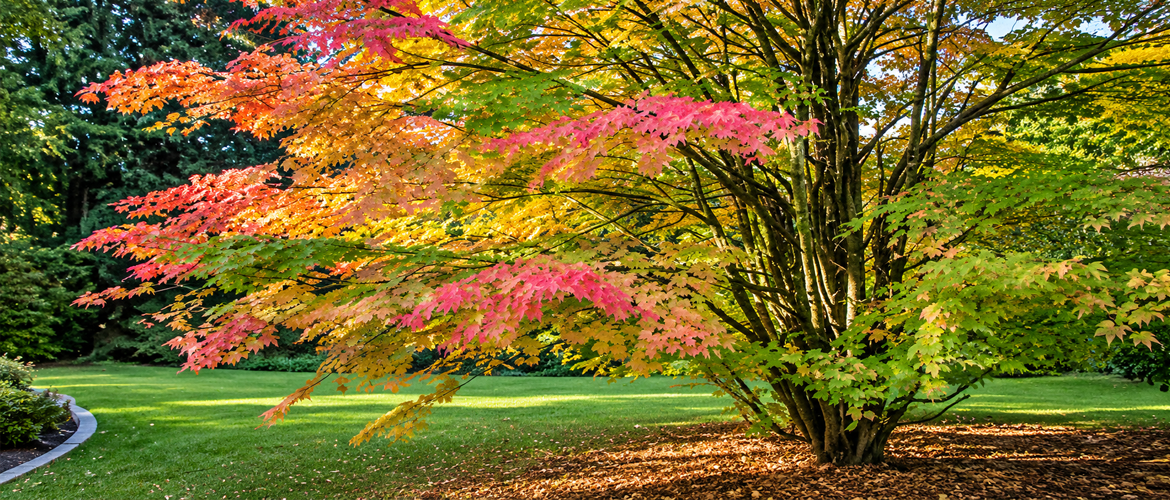
Its foliage changes throughout the year. Spring brings reddish-purple new growth that matures into blue-green leaves. Summer provides a cooling canopy with dappled shade. Autumn transforms the foliage into yellow, apricot, and orange shades, often releasing a sweet fragrance resembling caramel or cotton candy. Winter reveals an attractive branching structure and textured bark.
Landscape Design Benefits
1. Four-Season Interest
Katsura offers year-round landscape appeal. Its colorful spring foliage, refreshing summer canopy, vibrant autumn display, and elegant winter silhouette make it an excellent specimen tree and a valuable addition to layered garden compositions.
2. Architectural Versatility
The tree develops a pyramidal shape when young and gradually forms a rounded mature canopy. It works beautifully as a focal point in lawns, formal avenue plantings, residential entrances, and larger park landscapes. Weeping and globe-shaped cultivars offer additional design possibilities.
Growing Conditions & Site Selection
Light Requirements
Katsura thrives in full sun to partial shade. In Long Island's northern climate, full sunlight encourages healthy growth and vibrant fall color. In warmer locations, morning sunlight and afternoon shade can help reduce heat stress and leaf scorch.
Soil & Moisture
The tree prefers rich, moist, well-drained soil with good organic content. It adapts to clay, loam, and sandy soils but performs best with consistent moisture.
Neutral to slightly acidic soil is preferred. Young trees require regular watering, while established trees benefit from steady soil moisture. Mulching helps retain moisture, regulate soil temperature, and suppress weeds.
Hardiness and Climate
Katsura is hardy in USDA Zones 4–8, making it suitable for Northeast landscapes, including Long Island. With appropriate site conditions and adequate moisture, it can withstand cold winters and moderate summer temperatures.
Planting and Care Best Practices
When to Plant
Early spring is ideal for planting Katsura trees, allowing roots to establish before summer heat. Fall planting is also possible when sufficient time remains for root development before freezing temperatures.
Planting Tips
Choose the Right Spot: Allow space for its mature height of 40–60 feet and canopy spread of approximately 20–35 feet.
Soil Preparation: Improve heavy or poor soil with organic matter.
Mulching: Apply 2–3 inches of mulch, keeping it away from the trunk.
Watering: Water deeply during planting and regularly throughout the first one to two seasons.
Spacing: Consider lateral root growth when planting near paved areas.
Maintenance
Established Katsura trees are relatively low-maintenance. Pruning should focus on removing dead or crossing branches, preferably in late winter. Fertilizer is generally unnecessary in fertile soils but may be considered in nutrient-poor conditions.
Regular observation helps identify drought stress, nutrient deficiencies, and potential pest or disease problems.
Seasonal Highlights: A Year in the Life of a Katsura Tree
Spring: New Life Begins
Small, inconspicuous flowers appear before new foliage unfurls. Reddish emerging leaves bring early seasonal color to garden beds and borders.
Summer: Shade and Serenity
The blue-green canopy provides refreshing shade for patios, seating areas, and outdoor spaces. Pairing Katsura with shade-tolerant perennials and ornamental grasses creates attractive layered planting.
Autumn: The Signature Show
Yellow, apricot, and orange foliage creates a spectacular autumn display. Falling leaves release a distinctive sweet fragrance, adding sensory appeal and enhancing curb appeal.
Winter: Structure and Form
After leaf drop, graceful branches and textured bark provide visual interest in minimalist and sculptural garden designs.
Landscape Uses and Pairings
Katsura complements classic residential gardens, parkways, woodland landscapes, and Asian-inspired gardens. It pairs beautifully with Autumn Ferns (Dryopteris spp.), Hydrangea varieties, and ornamental grasses such as Miscanthus and Maiden Grass.
Why Katsura Is a Smart Investment for Your Landscape
For homeowners seeking visual drama, seasonal transformation, shade, and relatively low maintenance after establishment, Katsura is an excellent landscaping choice. Its distinctive autumn fragrance, colorful foliage, and graceful structure bring lasting value to residential and commercial properties.
Ready to Add Katsura to Your Landscape?
Louis Contino Landscaping helps Long Island homeowners enhance their properties through expert plant selection, professional installation, and landscaping guidance. Whether planning a complete property redesign or improving curb appeal, we can help bring your landscape vision to life.
Call us at (insert your phone number) or visit our website to schedule a consultation.