
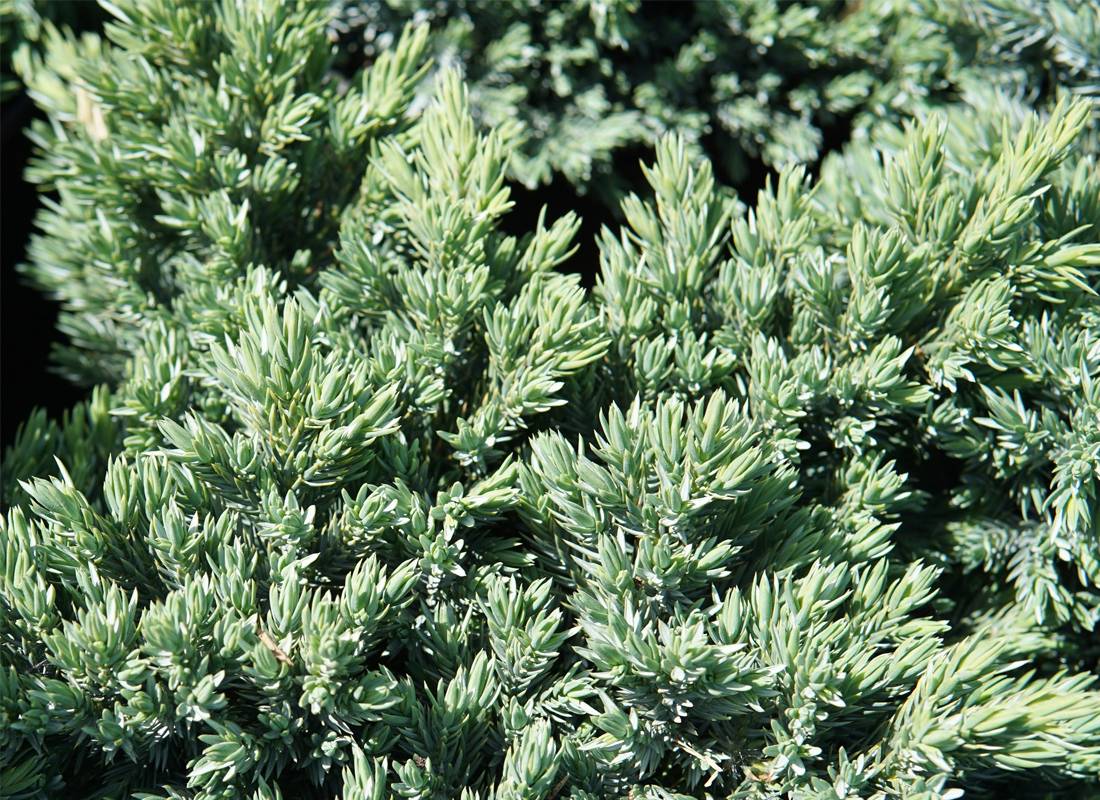
Juniperus conferta
Gardeners, landscapers, and plant lovers alike are increasingly turning to Juniperus conferta — commonly known as shore juniper — for eye-catching ground cover, coastal landscapes, and low-maintenance greenery that thrives where many other plants struggle. Native to sandy shorelines in Japan, this hardy conifer has found a home in gardens worldwide — from seaside patios to rock gardens and urban landscapes.
In this comprehensive guide we’ll explore:
- What Juniperus conferta is
- Its unique characteristics
- How and where to grow it
- Popular cultivars
- Landscaping uses
- Care, maintenance, and common challenges
Whether you’re planning a coastal landscape or seeking a drought-tolerant ground cover for your backyard, Juniperus conferta deserves a place in your plant palette.
What Is Juniperus conferta?
Juniperus conferta, often called shore juniper, is a low-growing evergreen shrub in the cypress family (Cupressaceae). Its sprawling, ground-hugging growth makes it excellent as a ground cover or slope stabilizer. While it’s sometimes classified as a subspecies or variety of Juniperus rigida, it’s widely grown and recognized on its own.
In the wild, shore juniper grows naturally along sandy beaches and dunes in Japan — a habitat that makes it exceptionally tolerant of poor soils, salt spray, drought, and challenging conditions.
Distinctive Features of Shore Juniper
Shore juniper has several attractive botanical traits that make it valuable in landscaping.
Evergreen Foliage
The plant’s dense, needle-like foliage stays green year-round, offering continuous color and texture in the garden. Needles can range from bright green to blue-green, depending on variety and site conditions.
Low, Spreading Habit
Typically reaching only 20–40 cm (8–16 inches) tall but spreading 1–2 meters (3–7 feet) wide, shore juniper carpets the ground beautifully.
Hardiness and Tolerance
Thanks to its coastal origins, this juniper tolerates:
- Salt spray and coastal winds
- Drought and heat
- Poor or sandy soil
- Light pruning
- Most average garden conditions
However, it does not tolerate poorly drained soil. “Wet feet” can lead to root rot, so proper drainage is essential.
Seed Cones
Like other junipers, shore juniper produces berry-like seed cones rather than showy flowers. These small cones may attract birds and wildlife, adding subtle ecological value to your landscape.
Where and How to Grow Shore Juniper
One of the best features of Juniperus conferta is its adaptability. However, ideal conditions will ensure the healthiest and most attractive growth.
Light Requirements
Shore juniper prefers full sun for best color and growth but will tolerate partial shade. More sunlight typically results in denser foliage and stronger ground coverage.
Soil and Drainage
Well-drained soil is critical. While the plant tolerates sandy, lean, or average soil types, waterlogged conditions can quickly cause root problems. Raised beds or sloped planting areas are ideal in heavier soils.
Watering
Once established, shore juniper is drought tolerant and requires only occasional watering during prolonged dry spells. Overwatering is a more common problem than underwatering.
Planting Tips
- Space plants 50–100 cm (20–40 inches) apart for effective ground coverage.
- Improve heavy soils with compost and coarse sand to enhance drainage.
- Apply mulch around the base to retain moisture and suppress weeds, keeping it slightly away from the crown.
Hardiness Zones
Shore juniper generally performs well in USDA hardiness zones 3–8, depending on cultivar and specific growing conditions.
Popular Cultivars and Variants
Gardeners often select specific cultivars for foliage color, texture, or growth habit.
‘Blue Pacific’
This widely planted cultivar features striking blue-green foliage and a vigorous trailing habit. It is especially popular for slopes and erosion control.
‘All Gold’
‘All Gold’ stands out with bright golden foliage that provides vivid contrast in mixed plantings.
‘Golden Pacific’
A more recent introduction, ‘Golden Pacific’ offers warm yellow tones that intensify in full sun.
Each cultivar maintains the resilient nature of the species while offering unique aesthetic qualities.
Landscape and Garden Uses
Shore juniper is a versatile landscaping tool with both practical and ornamental value.
Ground Cover for Large Areas
Its spreading habit creates a dense carpet of evergreen foliage, making it ideal for covering large expanses with minimal maintenance.
Erosion Control
The plant’s extensive root system helps stabilize soil, making it particularly useful on slopes, embankments, and sandy terrain.
Coastal Gardens
Salt tolerance makes shore juniper an excellent choice for beachfront properties and seaside plantings.
Rock Gardens and Containers
Its low profile and cascading growth habit suit rock gardens, retaining walls, and large containers where foliage can spill gracefully over edges.
Urban Landscapes
Because it requires little maintenance, shore juniper is frequently used in commercial landscapes, parking areas, and public spaces.
Companion Planting Ideas
Pair shore juniper with other sun-loving, drought-tolerant plants to create cohesive, resilient designs. Good companions include:
- Yucca species
- Sedum and other succulents
- Lavender
- Ornamental grasses
- Low-growing shrubs with contrasting foliage
These combinations create texture and visual interest while maintaining low water requirements.
Caring for Your Shore Juniper
Pruning and Shaping
Minimal pruning is required. Trim lightly to maintain boundaries or encourage denser growth. Avoid cutting into old wood, as junipers do not readily regenerate from bare stems.
Fertilization
Shore juniper is not a heavy feeder. A balanced, slow-release fertilizer applied in early spring is usually sufficient.
Pests and Problems
Though generally hardy, potential issues include:
- Juniper blight
- Spider mites
- Root rot in poorly drained soil
Most problems stem from excessive moisture or poor air circulation. Proper siting and spacing prevent the majority of issues.
Winter Care
In colder climates, apply a light layer of mulch around the root zone to protect against freeze-thaw cycles. Established plants are typically very winter hardy.
Design Inspirations
Shore juniper adapts beautifully to a range of design styles.
Slope Stabilizer
Plant along hillsides or banks to prevent erosion while adding evergreen texture.
Walkway Borders
Use as a low edging plant along paths and driveways for a neat yet natural appearance.
Color Contrast Planting
Combine blue-toned and golden cultivars to create striking visual contrast.
Xeriscape Gardens
In drought-tolerant landscapes, shore juniper pairs well with succulents and ornamental grasses for a modern, water-wise design.
Foundation Planting
Use it around building foundations to soften hard edges and suppress weeds with minimal upkeep.
Final Thoughts
Juniperus conferta is more than just a ground cover. It is a resilient, adaptable, and visually appealing evergreen that performs exceptionally well in difficult conditions. From coastal gardens to urban plantings, its tolerance for salt, drought, and poor soil makes it an invaluable addition to many landscapes.
With proper placement and minimal care, shore juniper can provide year-round structure, texture, and color. Whether stabilizing a slope or enhancing a rock garden, this dependable conifer offers long-lasting beauty with remarkably little maintenance.