
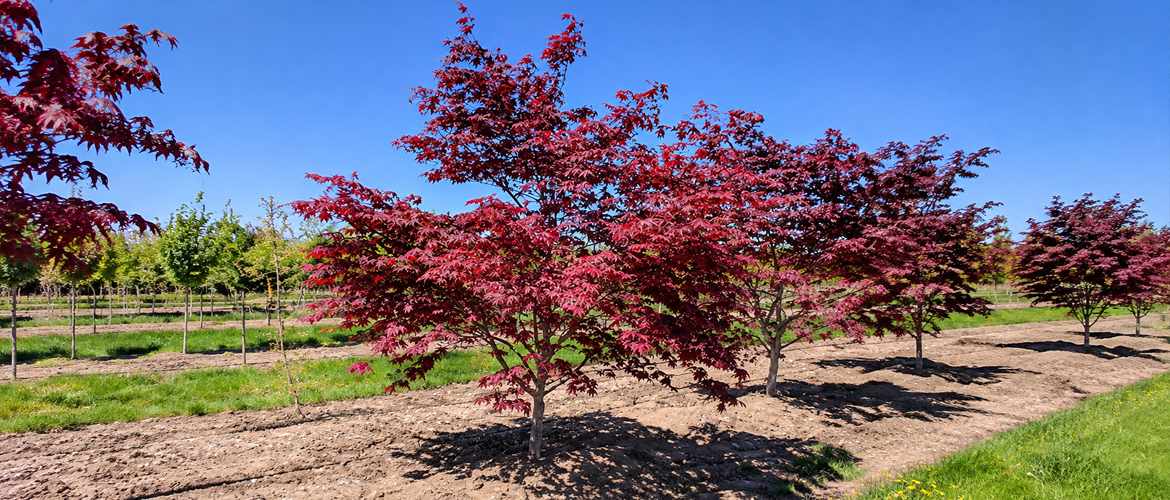
Japanese Maple ‘Bloodgood’ (Acer palmatum ‘Bloodgood’)
Japanese Maple ‘Bloodgood’ is an elegant ornamental tree that brings beauty to Northeast landscapes from spring through fall. Its deep burgundy-purple foliage, graceful branching, and brilliant crimson fall color make it an excellent focal point for front entrances, courtyards, patios, and garden beds. Although no plant is completely deer-proof, Japanese maples are often less preferred by deer, making ‘Bloodgood’ a practical choice for many Long Island properties.
At Louis Contino Landscaping, we appreciate this variety for its beauty, manageable size, and ability to complement evergreens, stonework, and modern landscape designs.
Quick Plant Profile
Botanical Name: Acer palmatum ‘Bloodgood’
Common Name: Bloodgood Japanese Maple
Type: Deciduous small tree
Mature Size: 15–20 feet tall and wide
Hardiness: Zones 5–8
Sun Exposure: Full sun to partial shade
Soil: Moist, organically rich, well-drained, slightly acidic soil
Features: Burgundy foliage, graceful branching, and vibrant fall color.
What Makes ‘Bloodgood’ So Popular?
‘Bloodgood’ is a popular upright, purple-leaf Japanese maple known for its dramatic foliage and refined appearance. Its leaves remain deep red-purple throughout spring and summer before developing brilliant crimson tones in autumn. This creates beautiful contrast against green lawns, evergreen plants, natural stone, and light-colored masonry.
Its graceful branching creates a soft canopy, making it suitable for patios and smaller gardens without overwhelming the landscape. It performs well in different conditions when proper drainage is maintained. Avoid planting in areas where water collects, as consistently wet soil can damage the roots.
Deer Resistance
Japanese maples are generally browsed less than many tender landscape plants, but deer may still feed on them, particularly during late winter and early spring. Newly planted trees are especially vulnerable.
For deer-prone Long Island properties, we recommend protecting young trees during their first one to three growing seasons. Temporary fencing or branch protection can help prevent damage. Surrounding the tree with aromatic perennials and strong-textured shrubs can also create a deer-resistant planting buffer. Maintaining healthy growth through consistent watering further supports its resilience.
Sun, Shade, and Placement
Japanese maples perform best in locations offering morning sunlight and afternoon shade. Excessive afternoon heat, reflected sunlight from walls, and dark fencing can cause leaf scorch.
Avoid low-lying areas where water collects. Suitable locations include protected courtyards, patio edges, front entry gardens, and partially shaded landscape beds. Proper placement helps maintain foliage quality and encourages healthy growth.
Soil, Drainage, and Mulch
A healthy ‘Bloodgood’ requires moist, well-drained, organically rich soil. Slightly acidic conditions are preferred. Adding compost or organic matter can improve soil structure, especially in compacted areas.
Applying mulch around the tree helps conserve moisture, regulate soil temperature, and reduce weeds. Maintain a broad mulch ring while keeping mulch away from the trunk to prevent moisture-related damage.
Watering and Pruning
During the first year, water deeply one to two times weekly, depending on rainfall and temperature. In the second year, provide weekly deep watering during dry periods. Established trees generally require supplemental watering during drought.
Japanese maples need minimal pruning. Remove dead or crossing branches and trim lower branches that interfere with pathways. Light, strategic pruning helps preserve the tree's natural layered shape without sacrificing its graceful appearance.
Common Issues in the Northeast
Leaf scorch can result from excessive afternoon sunlight, drought stress, wind exposure, and reflected heat. Proper placement, mulching, and consistent watering help prevent these problems.
Young trees may also experience winter damage from drying coastal winds. Wind protection and suitable planting locations improve resilience. Verticillium wilt is another potential concern, making healthy soil conditions, good drainage, and reduced plant stress important.
Design Ideas: How Louis Contino Landscaping Uses ‘Bloodgood’
‘Bloodgood’ works beautifully in several landscape styles. Near front entrances, it creates an elegant focal point when combined with low evergreens, seasonal perennials, natural stone, and landscape lighting.
Around patios, it softens hardscape edges and creates a garden-room atmosphere. In modern landscapes, its delicate foliage contrasts beautifully with large-format pavers, decorative gravel, and clipped evergreens. For woodland-edge properties, it creates a natural transition when paired with shade-tolerant shrubs and ferns.
Is ‘Bloodgood’ Right for Your Property?
Japanese Maple ‘Bloodgood’ is an excellent choice if you want rich foliage color, graceful structure, seasonal interest, and a manageable ornamental tree. It is particularly suitable for partially shaded gardens and thoughtfully designed landscapes.
However, properties with persistent poor drainage, extreme reflected heat, or severe deer pressure may require alternative planting choices or additional protection.
Bringing It All Together
Japanese Maple ‘Bloodgood’ combines elegance, versatility, and lasting landscape appeal. With proper placement, well-drained soil, consistent moisture, and appropriate protection, it can become a beautiful centerpiece for years.
Louis Contino Landscaping can help Long Island homeowners select the right location, prepare the soil, and create complementary plantings for a landscape that enhances their property's beauty.