
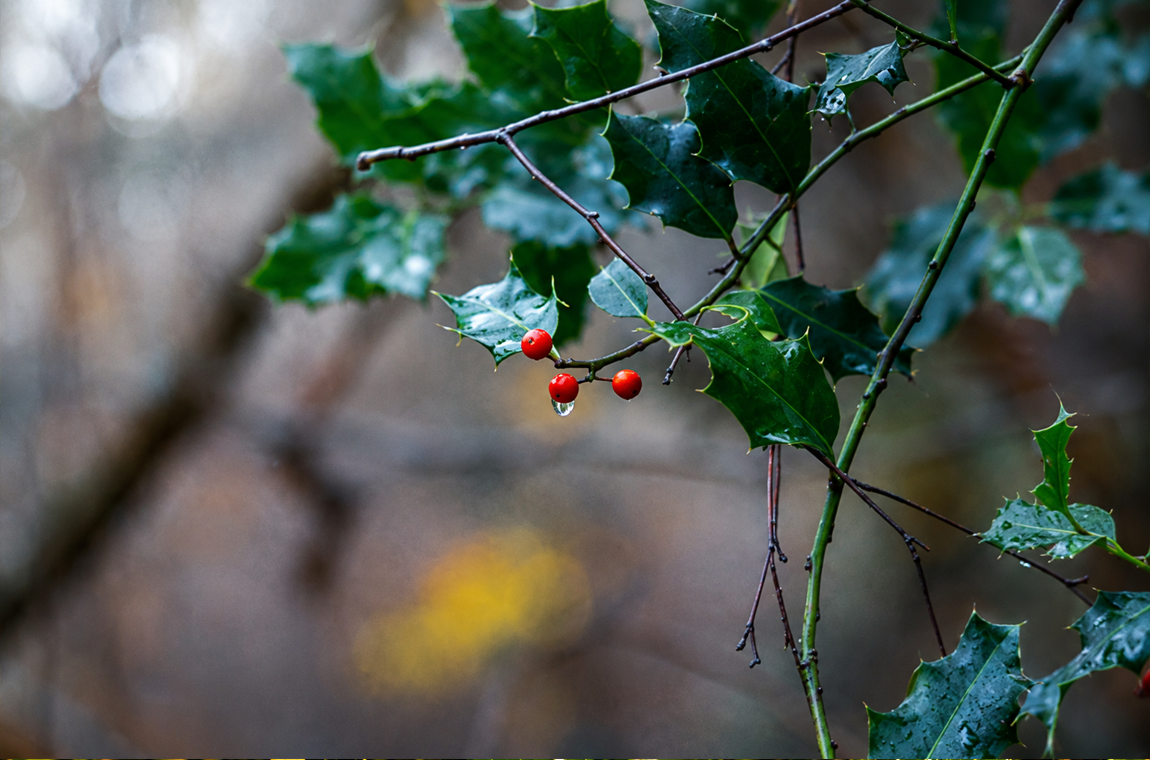
Ilex Oakleaf and Ilex Steeds – Premium Evergreen Hollies for the Northeast
Evergreen structure is one of the most important elements in Northeast landscape design. In regions like Long Island, Westchester, Connecticut, and the greater Northeast, homeowners need plants that provide year-round interest, winter durability, privacy screening, and refined aesthetics. At Louis Contino Landscaping, we frequently recommend two outstanding holly varieties that consistently perform well in our climate: Oakleaf® Holly and Steeds Japanese Holly.
These two Ilex varieties offer completely different textures and architectural qualities, yet both deliver reliable evergreen presence, elegant form, and four-season structure. Below is a guide to each variety, their differences, and how we use them in high-end residential design throughout the Northeast.
Ilex × 'Conaf' Oakleaf (Oakleaf® Holly)
Overview
Oakleaf® Holly is part of the Red Holly hybrid series and is known for its dramatic, oak-shaped leaves and pyramidal growth habit. Unlike traditional hollies with simple oval leaves, Oakleaf® features deeply lobed foliage resembling oak leaves, giving it a bold, architectural appearance.
It is an excellent choice for privacy screening, focal points, and foundation plantings where structure and visual impact are desired.
Mature Size in the Northeast
- Height: 12–20 feet
- Width: 8–12 feet
- Growth Rate: Moderate to fast
- USDA Zones: 6–9
In Nassau and Suffolk County landscapes, Oakleaf® can reach 14–16 feet when properly maintained.
Foliage & Seasonal Interest
Oakleaf® provides year-round foliage color. Spring brings bright green new growth, followed by deep glossy emerald leaves in summer. A slight bronze tint may appear during colder fall and winter weather, while female plants produce bright red berries.
Its oak-shaped foliage provides a softer, more sculptural appearance and creates texture contrast against boxwood, arborvitae, and ornamental grasses.
Design Applications by Louis Contino Landscaping
Privacy Screening
Oakleaf® is excellent for tall evergreen privacy hedges. Its pyramidal growth creates layered depth rather than a flat wall.
Poolside Backdrops
It can be used behind pools and patios when homeowners want privacy without the rigid appearance of columnar arborvitae.
Property Borders
For estate properties in Oyster Bay, Cold Spring Harbor, and Belle Terre, Oakleaf® adds height and structure along property lines.
Accent Specimen
Planted individually near entryways, it creates a stately evergreen anchor.
Sun & Soil Requirements
Oakleaf® performs in full sun to partial shade and prefers well-drained, slightly acidic soil. It tolerates Northeast winters well when established and offers moderate drought tolerance. Proper soil preparation and drainage are recommended for long-term success.
Pruning & Maintenance
Oakleaf® requires minimal pruning. It can be shaped lightly in early spring, while heavy fall pruning should be avoided to preserve berries. Fertilization in early spring with holly-specific fertilizer supports healthy growth.
Ilex crenata 'Steeds' (Steeds Japanese Holly)
Overview
Steeds Japanese Holly is a compact, upright evergreen shrub with small, glossy, boxwood-like leaves. It is refined, elegant, and extremely versatile.
Unlike Oakleaf®, Steeds offers a more tailored, formal appearance, making it ideal for foundation plantings, formal hedges, and symmetrical designs.
Mature Size in the Northeast
- Height: 6–8 feet
- Width: 4–6 feet
- Growth Rate: Moderate
- USDA Zones: 5–8
Steeds performs very well throughout Long Island and the broader Northeast climate.
Foliage Characteristics
Its small, oval, dark-green leaves have no sharp spines, making the plant suitable near walkways. It maintains dense structure year-round, while its fine texture contrasts beautifully with broadleaf shrubs and perennials.
Design Applications by Louis Contino Landscaping
Foundation Plantings
Steeds frames homes beautifully without overwhelming windows.
Formal Hedges
It shears well and can be maintained in a clean, elegant line.
Entryway Framing
It pairs beautifully on either side of doors or gates.
Mixed Border Plantings
Its dark green tone provides strong contrast against flowering shrubs and ornamental grasses.
Sun & Soil Requirements
Steeds performs in full sun to partial shade. Well-drained soil is critical, and it tolerates light shade better than many hollies. It can also perform well in Northeast clay soils when properly amended.
Pruning & Maintenance
Steeds responds well to shaping. Light shearing once or twice per year can maintain its formal appearance. Heavy late-season pruning should be avoided, and fertilization is recommended in early spring.
Oakleaf® vs. Steeds – Key Differences
| Feature | Oakleaf® Holly | Steeds Japanese Holly |
|---|---|---|
| Mature Height | 12–20 ft | 6–8 ft |
| Leaf Shape | Lobed, oak-like | Small, oval |
| Texture | Bold | Fine |
| Best Use | Privacy, background | Foundation, formal hedge |
| Growth Habit | Pyramidal | Upright compact |
| Berry Production | Heavy (female plants) | Minimal decorative berries |
At Louis Contino Landscaping, we often combine both varieties in layered designs—Oakleaf® as the tall backdrop and Steeds as the mid-level structure.
Winter Performance in the Northeast
Both varieties perform reliably in Long Island coastal exposure, suburban estate properties, and cold winter conditions typical of Zones 6–7. Proper planting depth, soil drainage, and winter watering are critical. Anti-desiccant spray may also be recommended for newly installed evergreens in exposed sites.
When to Choose Oakleaf®
Choose Oakleaf® if you want:
- Significant privacy height
- Architectural leaf texture
- Strong winter berry interest
- A bold evergreen statement
When to Choose Steeds
Choose Steeds if you want:
- A manageable, medium-height evergreen
- Clean, formal appearance
- Foundation symmetry
- Low-maintenance shaping
Our Professional Recommendation
For high-end residential landscapes in the Northeast, we rarely rely on a single evergreen type. A layered approach is best:
- Oakleaf® Holly as upper canopy privacy
- Steeds Japanese Holly for mid-level structure
- Perennials and grasses for seasonal movement
This combination creates depth, contrast, and four-season elegance.
Why Evergreen Structure Matters
In the Northeast, landscapes are dormant for nearly 5 months of the year. Without strong evergreen structure, properties can look bare and lifeless during winter.
Both Oakleaf® and Steeds provide:
- Snow contrast
- Wind buffering
- Year-round curb appeal
- Increased property value
Final Thoughts from Louis Contino Landscaping
Choosing the right holly variety depends on scale, purpose, and overall design vision. Oakleaf® Holly delivers bold presence and privacy, while Steeds Japanese Holly provides refined structure and versatility.
In our experience designing and building landscapes throughout Long Island and the Northeast, these two Ilex varieties remain some of the most dependable and visually striking evergreen choices available.
If you’re planning a new landscape installation or looking to upgrade your current evergreen structure, our design team at Louis Contino Landscaping can help you select the perfect holly variety for your property’s size, exposure, and aesthetic goals.
Evergreen structure is the backbone of Northeast landscape design—and these two hollies are among the best tools we use to build it.