
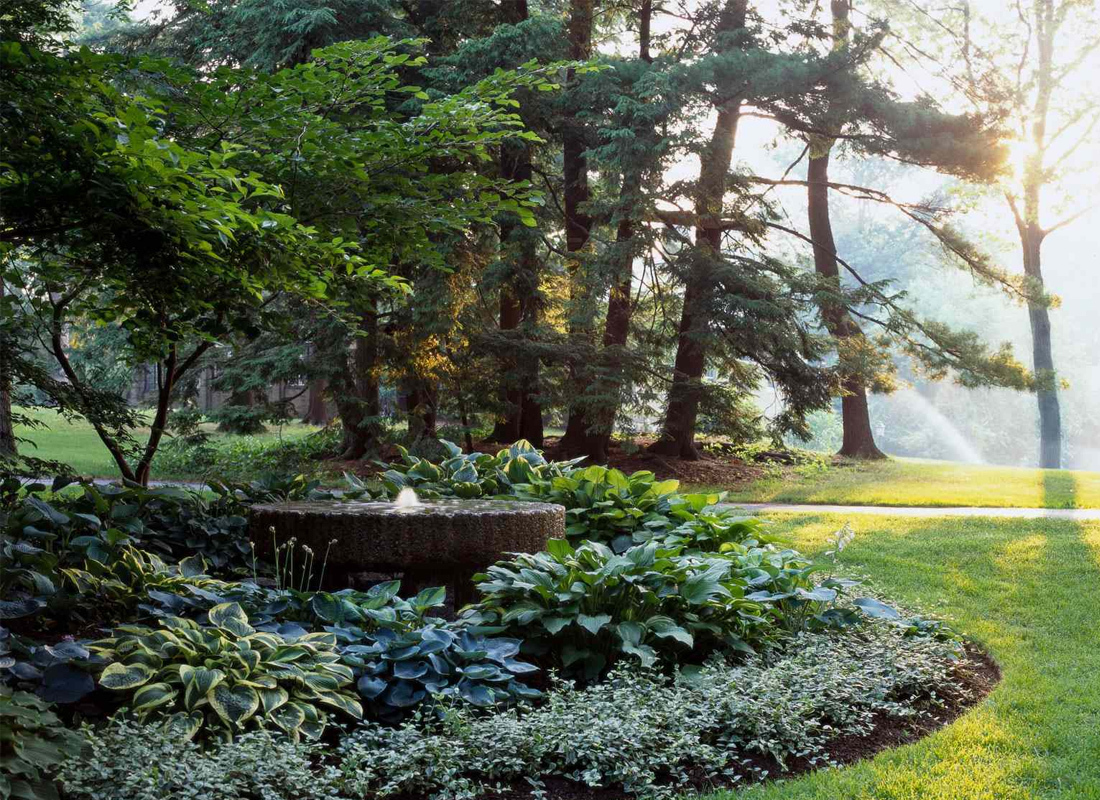
Hostas
Few plants are as synonymous with shade gardens as hostas. These hardy perennials — often called plantain lilies — are grown primarily for their lush, architectural foliage, but they also produce elegant flower stalks in summer. With thousands of registered varieties in every imaginable color, size, and leaf texture, hostas are versatile, beautiful, and ideal for gardeners at every skill level.
Whether you're redesigning a shaded backyard, creating a woodland border, or adding container interest to your patio, hostas offer remarkable adaptability and year-after-year performance.
What Are Hostas? A Quick Introduction
Hostas belong to the genus Hosta in the family Asparagaceae. Originally native to parts of China, Japan, and Korea, they’ve become a staple in gardens across the United States and Europe because they thrive in shady to partially shaded spots where many flowering plants struggle.
Though best known for leaves, hostas do produce flowers — typically in shades of white, lavender, or pale pink — in midsummer. Some cultivars even bear fragrant blooms that attract hummingbirds and pollinators.
Color, Texture & Form – The Allure of Hosta Foliage
What makes hostas truly special is the variety of foliage textures and colors. Leaves can be:
- Blue-green, with a waxy, powdery finish that gleams in shade
- Chartreuse or bright gold, adding warmth to a dark corner
- Variegated, with cream, white, or yellow edges and centers
- Deep green with dramatic quilted texture
- Smooth, puckered, wavy, or rippled leaf surfaces
This diversity allows you to craft garden compositions that glow even without abundant sunlight.
Size Categories: Choosing the Right Hosta for Your Space
Hostas are often grouped by size, which helps gardeners choose the perfect plant for any spot:
Miniature Hostas
Tiny and perfect for containers or rock gardens. Often used as groundcover or border plants.
Examples include:
- Blue Mouse Ears — thick, round blue-green foliage
- Pandora’s Box — compact variegated form
Small Hostas
Great for edges and bouquet beds, these reach about 6–12″ tall.
Examples:
- June — blue-green leaves with golden centers
- Stiletto — narrow lance-shaped form
Medium Hostas
The “bread and butter” of hosta collections — versatile and garden-ready.
Examples:
- Francee — dark green with white margins
- American Halo — bold foliage and reliable performance
Large & Giant Hostas
Drama makers in the garden. Use as focal points or backdrops.
Examples:
- Sum and Substance — chartreuse standout with huge leaves
- Blue Angel — expansive blue-green form
- Empress Wu — one of the largest hostas known
Popular Hosta Varieties to Know
Here are some favorites that garden designers and enthusiasts frequently recommend:
Hosta ‘Sum and Substance’
A big, bold variety with bright chartreuse leaves — perfect for focal points and shady borders.
Hosta ‘Blue Angel’
Known for its massive, blue-green leaves that spread widely — a showstopper in larger gardens.
Hosta ‘Halcyon’
Beloved classic medium hosta with soft blue-green foliage and graceful flowers.
Hosta ‘Guacamole’
Bright chartreuse leaves with darker margins and fragrant flowers.
Hosta ‘June’
Blue-green margins with bright yellow centers create a striking contrast that brightens shaded beds.
Variegated Favorites
- Patriot — crisp white margins
- Golden Tiara — green leaves with gold edges
Planting & Care: Getting Hostas to Thrive
One of the reasons hostas are so beloved is their low-maintenance nature — once established, they reward gardeners with years of reliable growth.
Light
Hostas prefer partial to full shade; too much direct sun can scorch leaves, especially on lighter or variegated varieties.
Soil
Plant in rich, moist, well-drained soil. Amend heavy clay or sandy soils with compost to help retain moisture and nutrients.
Water
Provide consistent moisture. Hostas planted under trees or in containers may need more frequent watering.
Pests
Slugs, snails, deer, and rabbits find tender hosta leaves irresistible — so be prepared with deterrents or protective strategies.
Winter & Dormancy
Hostas go dormant in winter. Once foliage dies back, trim it away to prevent disease and encourage vigorous spring regrowth.
Division
Every few years, divide crowded clumps in early spring or fall to refresh appearance and promote healthy growth.
Design Ideas with Hostas
Hostas aren’t just plants — they’re design tools. Here’s how professional landscapers like those at Louis Contino Landscaping incorporate them:
Textural Foundations
Use large hostas like Blue Angel behind smaller ones like June to create a layered “textural tapestry” in borders.
Shade Garden Hubs
Plant hostas beneath trees alongside ferns, astilbe, and bleeding hearts for a lush, woodland vibe.
Container Accents
Miniature and small hostas make elegant container plants — perfect for patios, steps, or shaded entryways.
Color Contrast
Combine variegated hostas with bold foliage plants (like coral bells) to create contrast in low light.
Hostas and Companion Planting
Hostas play well with others! Here are some great companions:
- Ferns – texture contrast
- Astilbe – feathery blooms
- Bleeding Hearts – graceful spring flowers
- Hydrangeas – shared shade preferences
These combinations help extend visual appeal through spring, summer, and fall.
Common Mistakes & How to Avoid Them
Even easy-going plants like hostas can fail if mishandled:
Planting in full sun — leads to leaf scorch.
Poor soil preparation — prevents proper root growth.
Ignoring slug pressure — can devastate foliage.
Overcrowding without division — leads to weaker plants.
Good planning and placement will keep hostas thriving for decades.
Hostas in Landscapes: A Designer’s Perspective
Landscapers and garden designers value hostas not just for their beauty but for their reliability and versatility. Companies like Louis Contino Landscaping leverage these qualities to create shaded retreats, elegant borders, and all-season gardens. Established in 1978 and recognized with industry awards, this firm blends artistic vision with plant knowledge — often sourcing quality plants and combining species to achieve lasting color and texture.
Whether used as foundation plantings, woodland garden anchors, or hardscape accents, hostas bring a sense of calm, structure, and refined beauty to landscapes.
Final Thoughts: Why Hostas Still Reign
From the tiniest miniature to the most monumental giant, hostas remain one of the most cherished perennials in gardens worldwide. They offer:
Evergreen-like presence in shade
Endless variety for gardeners and collectors
Low maintenance with high reward
Design flexibility in every landscape
Whether you're a beginner or seasoned gardener, integrating hostas — and understanding how they work alongside other plants — can transform a drab shaded corner into a lush, textural masterpiece that delights season after season.