
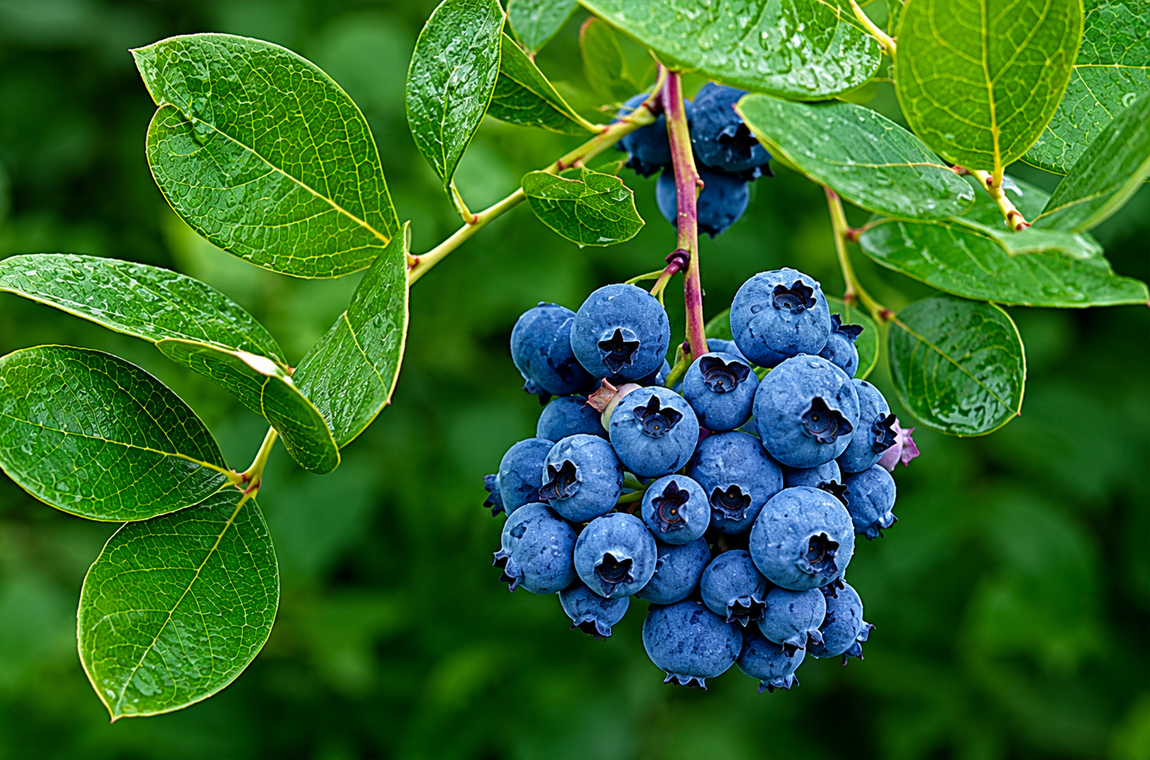
Highbush Blueberry
What Is Highbush Blueberry? The highbush blueberry (Vaccinium corymbosum) is a deciduous fruiting shrub native to eastern North America widely grown in home gardens, orchards, and even ornamental landscapes. It’s prized for its sweet, nutritious berries and garden beauty — from spring flowers to colorful fall foliage and edible fruit in summer.
“Highbush” refers to its taller upright growth compared with lowbush types, typically reaching 4–6 feet tall (and sometimes more, depending on variety and growing conditions). Plants are grown primarily for berries, but they also offer ornamental value with their spring blossoms and fall color.
What Is Highbush Blueberry?
The highbush blueberry (Vaccinium corymbosum) is a deciduous fruiting shrub native to eastern North America widely grown in home gardens, orchards, and even ornamental landscapes. It’s prized for its sweet, nutritious berries and garden beauty — from spring flowers to colorful fall foliage and edible fruit in summer.
“Highbush” refers to its taller upright growth compared with lowbush types, typically reaching 4–6 feet tall (and sometimes more, depending on variety and growing conditions). Plants are grown primarily for berries, but they also offer ornamental value with their spring blossoms and fall color.
Why Grow Highbush Blueberries?
Blueberries tick a lot of boxes for home gardeners:
- Delicious and healthy fruit you can harvest right in your backyard.
- Attractive shrubs that add structure to beds and edible landscapes.
- Multi season interest — spring flowers, summer fruit, and autumn foliage.
- Wildlife value: nectar and pollen for bees, berries for birds and mammals.
Plus, with the right conditions, highbush blueberries can be productive for decades, making them a long term garden investment.
A Closer Look at the Plant
Leaves & Form
Highbush blueberries have simple, oval leaves that are attractive through the growing season and often take on red or bronze hues in autumn, adding ornamental value even after the fruit is gone.
Flowers
In spring, tall clusters of bell shaped white or pink blossoms adorn the branches. These blooms are important nectar sources that attract bees and other pollinators — essential for fruit set.
Fruit
Blueberries typically ripen from early to late summer, depending on variety and climate. Ripe berries are blue to deep purple, sweet, and packed with antioxidants. Pick them when fully blue and they’ll detach easily from the plant.
Growing Conditions & Care
Sunlight
Highbush blueberries thrive in full sun — about 6–8 hours per day — for the best fruit production and foliage color. More light generally means better berry set.
Soil
One of the most critical factors is soil pH. Blueberries require acidic soil, ideally pH ~4.5–5.5. If your garden soil is alkaline, it needs amendments (like sulfur, pine bark mulch, or ericaceous compost) to lower the pH.
They also prefer well drained, organic rich soil. Heavy clay or very alkaline soil will reduce vigor and fruit set.
Watering
Blueberries have shallow roots, so consistent moisture is key — especially during flowering and fruit development. Mulching with pine bark or pine needles helps retain moisture and maintain acidity.
Climate & Hardiness
Northern highbush varieties are hardy in USDA zones ~4–7 or 8; southern highbush types are bred for warmer climates (zones 6–10a). Choose your variety based on your region.
Pruning Highbush Blueberries
Pruning boosts fruit quality and plant health:
- Early years (1–3): Focus on removing weak or damaged stems while allowing the bush to establish.
- Mature plants: Annual winter pruning removes old, unproductive canes and encourages strong new growth that will bear fruit next season.
Aim to leave a balance of young and older canes while removing crowded or crossing branches.
Proper pruning improves airflow, light penetration, and berry size over time.
Highbush Blueberry Varieties — Best Picks for Your Garden
Choosing a mix of varieties helps extend harvest season and maximizes yields through cross pollination. Most highbush blueberries are self fertile, but fruit set and size improve when different cultivars bloom together.
Here are some excellent highbush types:
Early Season
- ‘Duke’ – reliable early producer with firm, flavored berries.
- ‘Jersey’ – ripens early and tastes sweet.
Mid Season
- ‘Bluecrop’ – one of the most popular and widely grown; large, sweet berries and reliable yields.
- ‘Liberty’ – aromatic, medium large fruit.
- ‘Blueray’ – colorful fall foliage and strong mid season crop.
Late Season
- ‘Elliott’ – later harvest with a mild, sweet flavor.
- ‘Nelson’ – big berries that ripen later in summer.
Mixing early, mid, and late varieties not only extends your harvest window but also supports better pollination and fruiting.
Landscape & Garden Uses
1. Edible Borders & Hedgerows
Plant a row of bushes as a hedge that provides visual structure in spring, summer, and fall while producing edible fruit.
2. Mixed Shrub Landscapes
Combine blueberries with acid loving companions like azaleas, rhododendrons, camellias, and hydrangeas for layered texture and color.
3. Butterfly & Pollinator Gardens
Spring blooms attract bees and butterflies; summer fruit feeds birds and beneficial wildlife.
4. Kitchen Garden / Orchard Plots
Blueberries integrate beautifully into edible landscapes, fruit gardens, and small orchards paired with raspberries or strawberries.
Wildlife & Ecosystem Value
Highbush blueberries support ecosystems in several ways:
Pollinator magnet:
Flowers provide nectar to bees, butterflies, and beneficial insects.
Bird feed:
Birds enjoy the ripe berries once mature and can distribute seeds.
Deer considerations:
Like many fruiting shrubs, blueberries may attract deer — they relish the fruit and sometimes foliage, so protective measures (netting or fencing) may help in deer active areas.
Culinary Uses — From Garden to Table
Fresh blueberries are delicious, but their culinary potential is vast:
Jam & Jelly:
Perfect for making preserves.
Baking:
Moist pies, muffins, pancakes, and crisps.
Smoothies & Sauces:
Blend into drinks and dessert sauces.
Freezing:
Freeze excess harvest to enjoy year round.
Homegrown berries often taste sweeter and fresher than store bought.
Seasonal Calendar — What to Expect
Spring:
Flowers emerge on new and older wood — bees abound.
Early Summer:
Fruit forms and begins ripening on early varieties.
Mid to Late Summer:
Peak harvest window with sweetest berries.
Fall:
Leaves may turn red/orange; bushes prepare for dormancy.
Winter:
Dormant branches add structure to garden beds; mulch base for protection.
Common Problems & Solutions
While blueberries are relatively easy to grow, a few issues can occur:
Birds
Birds love ripe berries. Use netting to protect crops without harming wildlife.
Insects & Diseases
Pests like fruit flies and diseases like mummy berry can affect plants. Good sanitation and pruning to increase airflow help reduce issues.
Soil pH Trouble
Soil too alkaline leads to chlorosis (yellowing foliage). Test soil and amend to maintain acidity for optimal growth.
Tips for Beginners
- Plant multiple varieties to boost fruit set.
- Space bushes 4–6 feet apart to allow airflow and light.
- Sun is key — ensure at least 6 hours of sunlight daily.
- Keep soil consistently moist — especially during flowering and fruiting.
- Prune annually after establishment for best yields.
Final Thoughts — Why Highbush Blueberries Matter
Whether you’re a fruit lover, a gardener seeking multi season beauty, or someone building a pollinator garden or backyard orchard, highbush blueberries bring delicious rewards, ecological benefit, and landscape charm.
From spring blossoms and summer harvesting to fall foliage color and winter structure, these shrubs earn their place in edible and ornamental gardens alike — proving that beauty and bounty can truly go hand in hand.