
Hibiscus Varieties for Northeast Landscapes (Homeowner-Friendly Guide)
Hibiscus is one of those plants that instantly says “summer.” Big, bold flowers, tropical vibes, and nonstop compliments from neighbors walking by. But in the Northeast, the key is picking the right hibiscus—because some types love our winters, and others absolutely don’t.
At Louis Contino Landscaping, we use hibiscus in Northeast landscape designs when the client wants strong color, a lush look, and that “resort backyard” feel—whether it’s around pools, patios, entry gardens, or along privacy screens. This guide breaks down the main hibiscus types, the best varieties for our region, where they work in the landscape, and how to care for them so they perform like a showpiece.
The 3 Main Hibiscus Types (Know This First)
1) Hardy Hibiscus (Best for Northeast Winters)
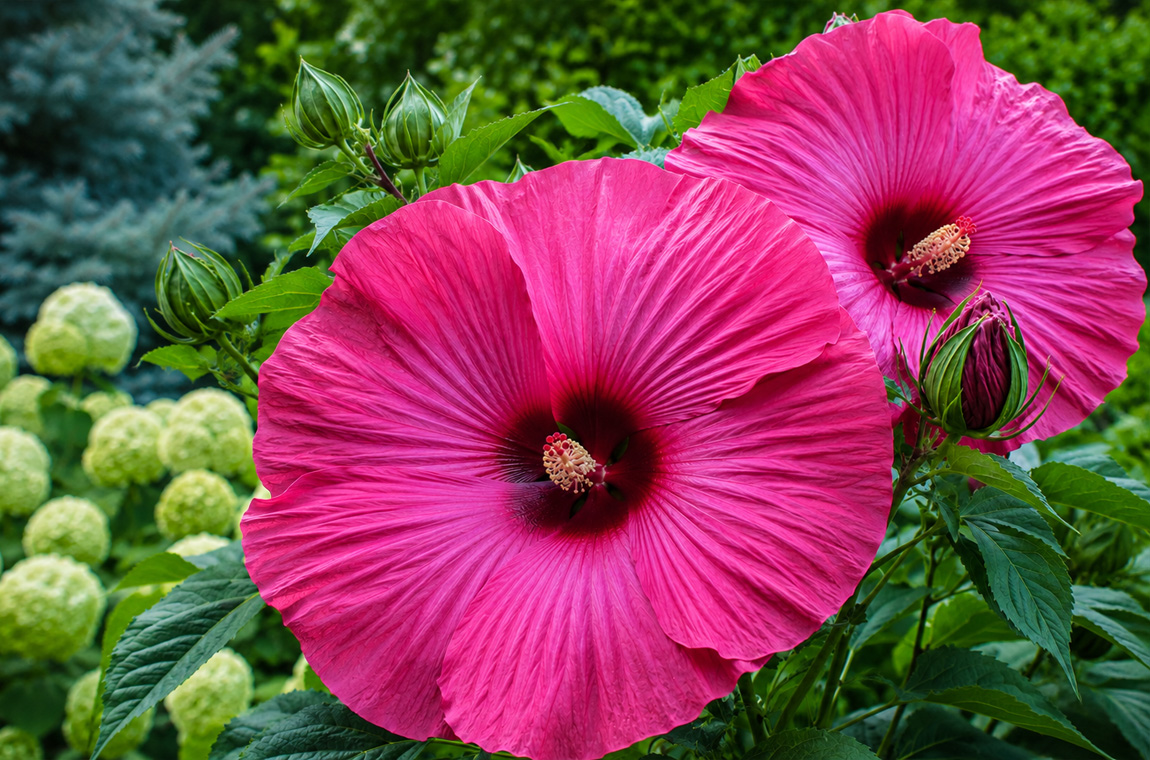
This is the group we recommend most for Long Island and the Northeast. Hardy hibiscus is a perennial that dies back to the ground each winter and returns in late spring. It thrives in sun, loves consistent moisture, and produces those huge “dinner plate” blooms.
What to expect:
Survives winter outside (zones generally 4–9 depending on variety)
Flowers mid-summer into early fall
Big blooms (often 6–10 inches wide)
Slower to wake up in spring
Great for: pool borders, back-of-bed color, focal points, rain garden edges, sunny foundation beds.
2) Rose of Sharon (Hardy Shrub Hibiscus)
This is a woody shrub hibiscus that stays upright year-round. It’s extremely common in the Northeast because it’s reliable, hardy, and blooms later than most shrubs—often when everything else is fading.
What to expect:
Shrub form (typically 6–12 feet, depending on variety)
Flowers mid/late summer through early fall
Tolerates urban conditions, heat, and average soils
Improved varieties can help avoid heavy reseeding
Great for: screens, hedges, property lines, backyard privacy, mixed shrub borders.
3) Tropical Hibiscus (Container/Indoor Overwinter)
This is the classic “Hawaiian-looking” hibiscus (Hibiscus rosa-sinensis). In the Northeast it is not winter-hardy, so we treat it as a patio plant in containers, then bring it inside.
What to expect:
Best in pots on sunny patios
Incredible flower colors and glossy leaves
Needs protection once nights get cool
Overwinter indoors in bright light
Great for: pool patios, entry containers, summer entertaining areas, deck corners.
Best Hardy Hibiscus Varieties for the Northeast
Hardy hibiscus (often hybrids of Hibiscus moscheutos) is the showstopper perennial category. These are the ones with massive blooms and strong performance in sun.
Top “Dinner Plate” Bloomers (Biggest Wow Factor)
These are our go-to choices when clients want drama—especially near patios, pools, or focal beds:
‘Summerific® Berry Awesome’ – bright pink blooms with a deep red eye; strong upright habit
‘Summerific® Perfect Storm’ – white flowers with red eye; dark foliage; compact and neat
‘Summerific® Holy Grail’ – intense red blooms with near-black foliage
‘Summerific® Midnight Marvel’ – deep red blooms; burgundy foliage
‘Kopper King’ – pale pink blooms; coppery foliage
‘Lord Baltimore’ / ‘Lady Baltimore’ – classic old favorites, tall and floriferous
Hardy hibiscus looks best where it can be seen up close. The flowers are huge and last about a day each, but the plant keeps producing new blooms for weeks of color.
Best Compact Hardy Hibiscus (Smaller Spaces & Tight Beds)
For smaller beds and tighter foundation areas, compact varieties give the look without taking over:
‘Summerific® Lilac Crush’ – strong bloomer, manageable height
‘Summerific® Spinderella’ – white petals with pink striping; tidy growth
‘Luna’ series – reliable, more compact, great for massing
Where we use them: narrow side-yard beds, smaller pool gardens, townhouse-style landscapes, and mixed perennial borders.
Foliage Matters: Green vs. Dark Leaves
Hardy hibiscus comes in green-leaf and dark-leaf forms. Green foliage varieties look softer and more classic with hydrangeas, ornamental grasses, and cottage-style perennials. Dark foliage varieties feel bold and modern against light stone, white fences, and silver-green plants.
Best pairings (Northeast-friendly):
Ornamental grasses
Coneflowers, black-eyed Susans, and salvias
Catmint (Nepeta)
Hydrangeas
Rose of Sharon Varieties (Shrub Hibiscus) for Northeast Landscapes
Rose of Sharon (Hibiscus syriacus) is a woody shrub with hibiscus-style blooms that shows up later in the season. It is a smart choice for flowering screens and shrub borders.
Best Non-Invasive / Low-Seed / Cleaner Choices
‘Blue Chiffon®’ – soft lavender-blue, semi-double blooms
‘Lavender Chiffon®’ – airy, elegant, very landscape-friendly
‘White Chiffon®’ – clean white blooms
‘Purple Pillar®’ – narrow, upright form
‘Aphrodite’ – large pink blooms
‘Minerva’ – lavender-pink with strong performance
Rose of Sharon works well for privacy lines when mixed with evergreens, providing year-round structure plus seasonal flowers.
Tropical Hibiscus Varieties (Best for Pots & Patios)
Tropical hibiscus offers glossy leaves and electric colors. In the Northeast, it belongs in containers unless treated as a one-season plant.
Popular Tropical Colors and Styles
Tropical hibiscus comes in red, orange, yellow, salmon, pink, and multicolor blends.
Container design ideas we use:
Hibiscus as the thriller (centerpiece)
Spillers like sweet potato vine or bacopa
Fillers like caladium, lantana, coleus, or dipladenia
Overwintering Tropical Hibiscus Indoors
Bring it inside before nights drop consistently below about 50°F. Place it in your brightest window, reduce watering in winter, and expect slower growth indoors before it rebounds outside.
Where Hibiscus Works Best in Northeast Landscape Design
Around Pools & Patios
Hardy hibiscus is a perfect “summer statement plant” near pools. It gives a lush, resort feel, especially when paired with grasses and clean edging.
Sunny Foundation Beds
Compact hardy hibiscus works well as a bold focal plant, balanced with evergreen structure so the bed still looks good in winter.
Backyard Privacy Borders
Rose of Sharon is a strong option for flowering privacy borders, especially when blended with evergreens.
Rain Gardens & Moist Areas
Hardy hibiscus naturally likes consistent moisture and can thrive in lower, damp areas where other perennials struggle.
Care Tips for Hibiscus in the Northeast (Simple + Effective)
Sunlight
Hardy Hibiscus: full sun is best (6+ hours).
Rose of Sharon: full sun to part sun.
Tropical Hibiscus: lots of sun; protect from harsh wind.
Water
Hardy hibiscus prefers consistent moisture, especially during July and August. Repeated drying can stall flowering.
Soil
Good soil makes a big difference. Planting areas can be improved with compost and proper grading for drainage.
Pruning
Hardy hibiscus: cut stems down in late fall or early spring.
Rose of Sharon: prune in late winter/early spring for shape and size control.
Tropical: prune lightly to shape before bringing indoors.
Fertilizing
A balanced slow-release fertilizer in late spring and possibly a mid-summer boost helps flowering. Don’t overdo nitrogen, as too much leaf growth can reduce blooms.
Common Mistakes We See (and How to Avoid Them)
Thinking hardy hibiscus is dead in spring — It wakes up late.
Planting in too much shade — Hibiscus is a sun-lover.
Letting it dry out repeatedly — It performs best with steady moisture.
Using older Rose of Sharon varieties that reseed heavily — Improved cultivars provide a cleaner landscape.
Hibiscus and Pollinators
Hibiscus flowers attract pollinators, especially bees and butterflies. Rose of Sharon can be especially active with pollinators in late summer.
If you want a pollinator-friendly yard, hibiscus pairs beautifully with salvia, echinacea, rudbeckia, nepeta, lavender, ornamental grasses, and late-summer perennials.
Our Take at Louis Contino Landscaping (What We Recommend Most)
For Northeast landscapes, hardy hibiscus is our favorite if you want big blooms and perennial reliability. For flowering screens and shrub borders, Rose of Sharon is a strong performer—especially improved varieties. And for “vacation feel” patios, tropical hibiscus in containers is an instant upgrade.