
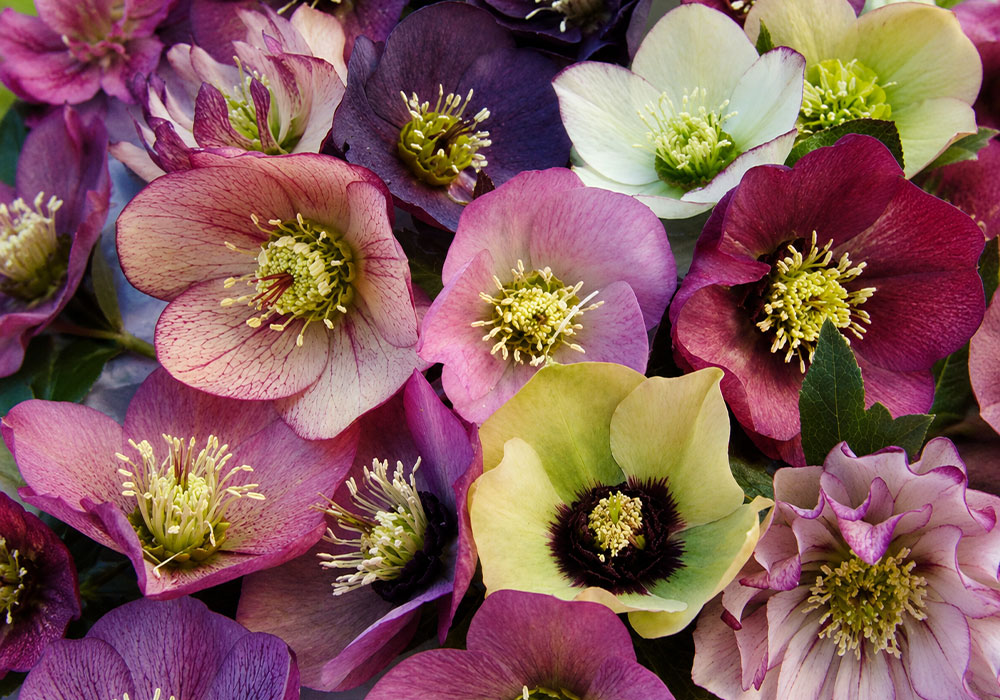
Hellebore ‘Brandywine’
What Is Hellebore ‘Brandywine’?
Hellebore ‘Brandywine’ is a horticultural cultivar of Lenten Rose, a group of hellebores that are cherished for blooming early — often late winter into early spring. Unlike many garden plants that wait until spring proper, hellebores unfurl elegant, cup-shaped flowers sometimes while snow still lies on the ground.
This plant typically reaches about 12–18 inches tall and about 12–18 inches wide, forming a clump of leathery evergreen foliage that remains attractive year-round in many climates.
Flower Characteristics
The blooms of Brandywine vary widely — from single to semi-double or double forms — and come in a delightful mix of pinks, reds, apricots, creams, and spotted picotee edges, making each garden plant look unique.
Evergreen Foliage
Even after the flowers fade, the dark leathery leaves persist, creating an evergreen backdrop in shaded garden beds — a huge bonus for winter interest and structure.
Bloom Season & Garden Timing
One of Brandywine’s greatest appeals is its early bloom time. While most perennials wait for spring warmth, hellebores often begin flowering as early as late winter to mid-spring.
Long Blooming Window
The flowers can last for several weeks — often 6–8 weeks — providing color and garden excitement when most other perennials are still dormant or just starting to leaf out.
Cool-Season Performer
In cooler regions, plants may start opening blooms when there’s still frost. In milder climates, they may flower even earlier. Either way, they signal the arrival of spring like no other plant.
Planting & Growing Hellebore ‘Brandywine’
Light Requirements
- Partial shade to full shade: Hellebores naturally grow on forest floors, so they prefer bright shade or dappled sunlight — morning sun and afternoon shade are ideal.
- They tolerate full shade, making them perfect for woodland gardens, shaded borders, and the north side of homes.
Soil Preferences
- Rich, well-drained soil is best for hellebores.
- Add compost or organic matter to improve soil texture and moisture retention.
- Avoid standing water — hellebores don’t like “wet feet.”
Water Needs
- Water newly planted hellebores regularly until established.
- Once established, they tolerate average moisture and even occasional dryness.
- Mulch around the base to help conserve moisture during dry spells.
Evergreen Foliage Care
- In late winter before new growth emerges, trim away old, tattered leaves to help fresh foliage shine. This also helps prevent disease problems from old debris.
- Avoid removing leaves too early — they protect emerging buds.
Planting Schedule
- Plant Brandywine in early spring or fall for best establishment.
- In areas with harsh winters, fall planting gives roots time to settle before cold sets in.
- Spring planting works well if soil is workable.
Deer & Rabbit Resistance
One of the most common questions gardeners ask is: “Will wildlife eat my hellebores?” The short answer is usually no. Hellebores, including Brandywine, are commonly cited as deer- and rabbit-resistant.
Deer Behavior
Deer tend to avoid plants with thicker, leathery foliage and those with bitter or toxic chemical compounds — a category hellebores fall into. That resistance means your blooms are more likely to stay intact, even in areas with hungry herbivores.
Rabbit Resistance
Likewise, rabbits generally steer clear of hellebores, especially mature plants, because of the unappealing texture and chemistry of the foliage.
Note: While resistance is strong, nothing is completely “wildlife proof” if food scarcity becomes severe — but many gardeners with deer or rabbit pressure report that hellebores remain mostly untouched.
Landscape Design Ideas with Brandywine
Because of its size, color range, and evergreen value, Hellebore ‘Brandywine’ fits beautifully into many garden settings.
1. Shady Woodland Gardens
Hellebores were born to thrive under tree canopies. Combine them with shade-loving companions like ferns, hostas, and astilbes to mimic a natural woodland.
Design Tip: Plant in drifts along a shady path or nestled beneath deciduous shrubs for layered interest.
2. Early Spring Flower Show
Because Brandywine blooms early, use it to kick off the garden season. Pair with spring bulbs like snowdrops, crocus, and early daffodils to extend color from late winter onward.
Color Play: Light pinks and creams look striking against early yellow daffodils.
3. Containers & Patio Planters
Don’t limit hellebores to the ground! Plant them in large containers shaded by trees or under eaves where they’ll get filtered light — they hold their own and brighten patios even before many annuals wake up.
4. Edging and Border Flowering
Although not tall, hellebores make excellent additions to the front of shade borders. Their evergreen leaves provide structure, while their blooms bring bright pops of color before other perennials emerge.
Wildlife & Pollinator Benefits
While deer and rabbits tend to avoid hellebores, early-emerging pollinators — especially bees — often visit the blooms, which can be one of the first nectar sources in the garden.
This makes Brandywine not just beautiful for humans, but a valuable ecological contributor in early spring gardens.
Safety & Toxicity Considerations
A quick gardener warning: all parts of hellebores are considered toxic if ingested. That’s one of the mechanisms that help deter herbivores — but it also means you should handle plants with care and keep them away from curious children or pets who might chew leaves or flowers.
Wear gloves when handling and wash hands afterward to avoid skin irritation.
Troubleshooting & Care Tips
Avoid Waterlogged Soil
Although hellebores like moisture, standing water can lead to root rot. Ensure beds have good drainage and amend heavy clay with compost or grit.
Winter Maintenance
In cold climates, leave the foliage through winter until new growth starts. This protects buds and can help reduce frost damage.
Division & Longevity
Hellebores don’t need frequent dividing — in fact, they generally resent disturbance. But every 4–5 years, you can divide overgrown clumps after flowering to refresh your planting.
Plants to Grow in Your Garden
Brandywine Lenten Rose
Helleborus 'Brandywine'
Brandywine Hellebore Mix Premium
Helleborus orientalis 'Brandywine'
Helleborus Brandywine Lenten Rose
Brandywine Lenten Rose – Classic choice with multi-color blooms and evergreen foliage.
Final Thoughts: Why Brandywine Belongs in Your Garden
Whether you’re designing a shaded sanctuary, a cutting garden with early blooms, or a low-maintenance perennial border, Hellebore ‘Brandywine’ deserves a place in your landscape. Its early spring flowers, evergreen foliage, deer resistance, and adaptable shade tolerance make it a standout performer from season to season.
This is the perennial that surprises visitors when they least expect it — popping color long before most other plants have even woken up. And once established, you’ll find it returns year after year with minimal fuss.