
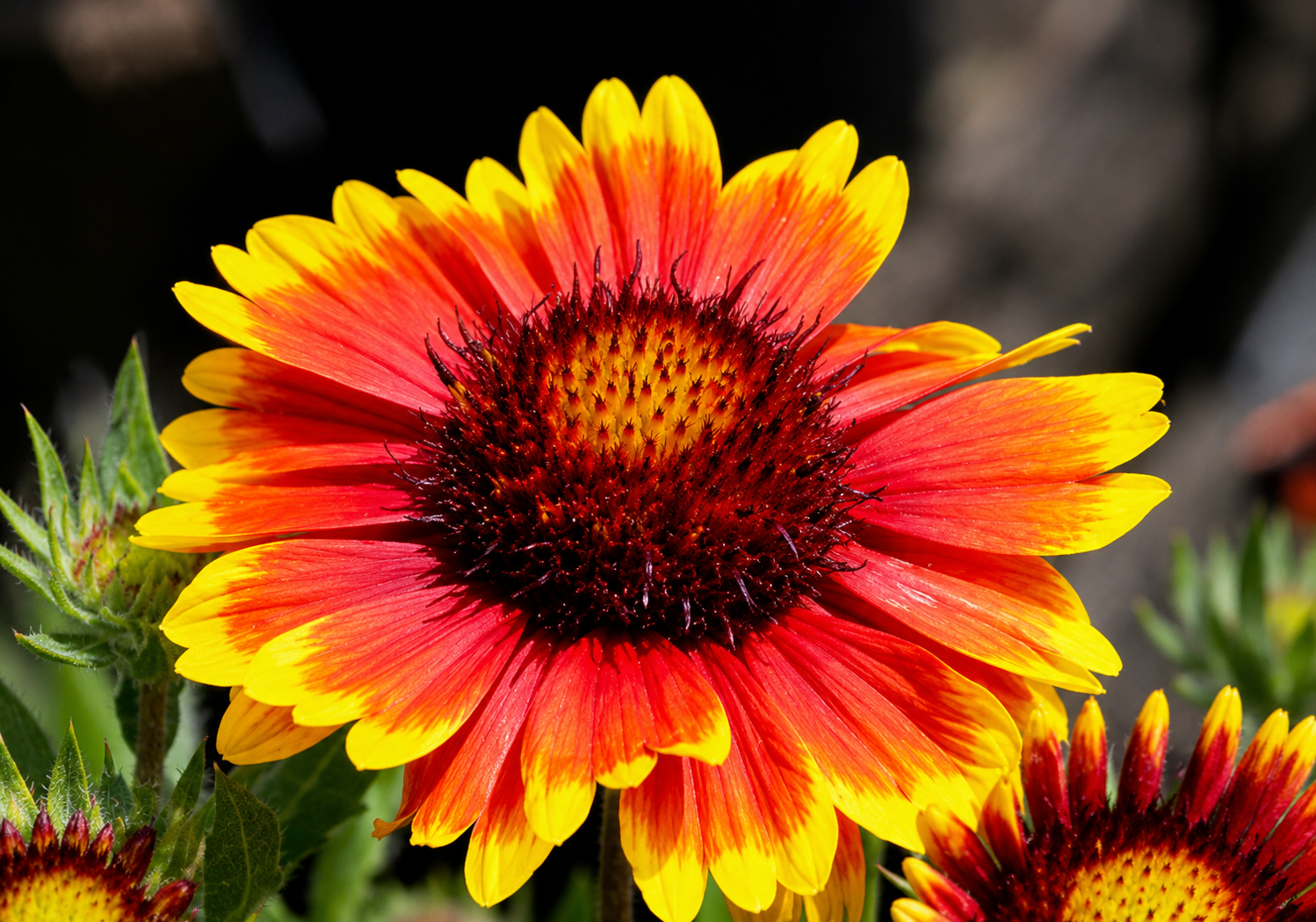
Gaillardia (Blanket Flower): The Low-Maintenance, Deer-Resistant Perennial That Blooms All Season
If you're looking for a plant that thrives in heat, laughs at drought, blooms nonstop, and shrugs off hungry deer and rabbits, gaillardia—commonly called blanket flower—deserves a front-row seat in your garden. With its fiery, daisy-like blooms in red, orange, yellow, and bicolor combinations, gaillardia brings long-lasting color, pollinator power, and rugged reliability to sunny landscapes.
Whether you garden in poor soil, battle browsing wildlife, or simply want flowers that don't quit, gaillardia delivers. This guide explores why blanket flower has earned its reputation as one of the best low-maintenance, wildlife-resistant perennials available today.
What Is Gaillardia?
Gaillardia is a genus of flowering plants in the sunflower family (Asteraceae), native to North and South America. The common name "blanket flower" likely comes from the way these plants spread color across the landscape like a woven blanket, as well as their resemblance to traditional Native American blanket patterns.
Types of Gaillardia: Most garden varieties fall into three categories:
- Gaillardia aristata (perennial blanket flower)
- Gaillardia pulchella (annual blanket flower)
- Hybrid gaillardia (perennial crosses bred for compact growth and extended blooming)
Perennial gaillardia is the most popular choice for home gardens due to its longevity, drought tolerance, and deer resistance.
Why Gaillardia Is Deer and Rabbit Resistant
One of gaillardia's biggest advantages—especially for gardeners in rural and suburban areas—is its strong resistance to deer and rabbits.
Why Wildlife Avoids Gaillardia: Several natural characteristics make gaillardia less appealing to browsing animals:
- Rough, hairy foliage
- Bitter-tasting compounds common in many Asteraceae plants
- Tough, fibrous leaves and stems rather than tender growth
While no plant is completely deer-proof, gaillardia consistently ranks as a low-palatability plant. Deer and rabbits typically choose softer, more succulent plants first, leaving blanket flower largely untouched.
Best Uses in Wildlife-Prone Areas: Gaillardia is an excellent choice for:
- Open landscapes
- Front yards without fencing
- Pollinator gardens in deer-prone regions
- Low-maintenance public and roadside plantings
A Sun-Lover That Thrives Where Others Fail
Gaillardia is a true sun-loving perennial. Give it abundant sunshine, and it will reward you with months of colorful blooms.
Ideal Growing Conditions:
- Sun: Full sun (6–8+ hours daily)
- Soil: Well-drained, including poor or sandy soils
- Water: Low once established
- USDA Zones: Typically Zones 3–10 (depending on variety)
Unlike many perennials, gaillardia does not require rich soil. In fact, overly fertile soil often leads to floppy growth and reduced flowering, making it ideal for challenging landscape conditions.
Flower Power: Months of Color
One of gaillardia's most impressive qualities is its exceptionally long bloom season.
Blooming Period: Flowers typically begin appearing in late spring or early summer and continue blooming through fall, often lasting until frost in cooler climates.
Flower Colors: Blanket flower blooms are available in:
- Red
- Orange
- Yellow
- Burgundy
- Bicolor combinations with contrasting tips
Many modern cultivars are bred for continuous flowering without deadheading, although removing spent blooms can improve appearance.
A Pollinator Magnet
While deer and rabbits tend to avoid gaillardia, pollinators are highly attracted to it.
Pollinator Benefits:
- Bees are drawn to the nectar-rich centers.
- Butterflies visit regularly throughout the growing season.
- Beneficial insects use the flowers as a food source.
In late summer and fall, allowing seed heads to remain can provide food for birds, particularly finches.
Perfect for Wildlife-Friendly Gardens: Gaillardia is a valuable addition to:
- Pollinator gardens
- Prairie plantings
- Meadow-style landscapes
- Wildlife-friendly yards
How to Plant Gaillardia Successfully
Proper planting helps establish healthy, long-lasting plants.
Best Time to Plant:
- Spring after the danger of frost has passed
- Early fall in mild climates
Planting Tips:
- Choose a location with excellent drainage.
- Avoid excessive compost or fertilizer.
- Space plants 12–18 inches apart.
- Water thoroughly during establishment.
Once established, gaillardia generally performs best with minimal intervention.
Watering and Maintenance: Less Is More
Gaillardia is one of the easiest perennials to maintain.
Watering Requirements:
- Water regularly during the first growing season.
- Once established, water only during extended drought periods.
- Avoid overwatering, which is a common cause of plant failure.
Fertilizing Needs: Fertilizer is usually unnecessary. If soil quality is extremely poor, a light spring application is sufficient.
Deadheading and Pruning: Deadheading promotes a tidier appearance, while cutting plants back by about one-third in midsummer can encourage fresh blooms. Leave some seed heads in fall for birds and winter interest.
Popular Gaillardia Varieties
Several cultivars stand out for their performance and beauty.
'Arizona Sun':
- Compact growth habit
- Red centers with bright yellow tips
- Exceptional heat tolerance
'Mesa Yellow':
- Solid golden-yellow blooms
- Strong stems
- Excellent drought resistance
'Burgundy':
- Deep wine-red flowers
- Dramatic landscape contrast
- Slightly taller growth habit
'SpinTop' Series:
- Long blooming period
- Compact and tidy growth
- Ideal for containers and borders
Landscaping Ideas Using Gaillardia
Gaillardia's versatility makes it suitable for many landscape styles.
Sunny Borders: Plant along the front or middle of full-sun borders for season-long color.
Prairie and Meadow Gardens: Combine with:
- Echinacea
- Rudbeckia
- Coreopsis
- Ornamental grasses
Containers: Compact varieties perform exceptionally well in containers with excellent drainage.
Xeriscapes: Pair gaillardia with lavender, yarrow, and sedum for attractive water-wise plantings.
Tough Landscape Areas: Blanket flower thrives in roadside plantings, slopes, and poor-soil locations where many plants struggle.
Winter Care and Longevity
Gaillardia requires very little winter maintenance.
Winter Care Tips:
- Leave dried stems standing for winter interest.
- Cut plants back in early spring when new growth emerges.
Natural Reseeding: Although gaillardia is often considered a short-lived perennial (typically 3–5 years), it frequently self-seeds, helping maintain its presence in the garden with little effort.
Common Problems (And How to Avoid Them)
Gaillardia is generally trouble-free, but a few issues can occasionally arise.
Flopping Plants:
- Cause: Excessively rich soil or too much fertilizer
- Solution: Reduce feeding and increase sun exposure
Root Rot:
- Cause: Poor drainage
- Solution: Improve drainage or relocate the plant
Reduced Flowering:
- Cause: Excess shade or excessive nitrogen
- Solution: Move plants to a sunnier location
Overall, gaillardia experiences relatively few pest or disease problems compared to many other flowering perennials.
Why Gaillardia Belongs in Your Garden
Gaillardia checks nearly every box gardeners look for in a dependable perennial.
Top Benefits:
- Deer resistant
- Rabbit resistant
- Drought tolerant
- Heat tolerant
- Long blooming
- Pollinator friendly
- Low maintenance
It's a resilient, hardworking plant that provides lasting beauty without demanding constant attention.
Final Thoughts
If you garden in full sun, contend with browsing wildlife, or simply want dependable color from early summer through fall, gaillardia is a perennial worth considering.
The Bottom Line: Few plants combine such bold visual appeal with exceptional toughness. Once established, blanket flower quietly does its job—blooming continuously, attracting pollinators, resisting deer and rabbits, and thriving through challenging conditions with minimal care.