
Forsythia Varieties for the Northeast
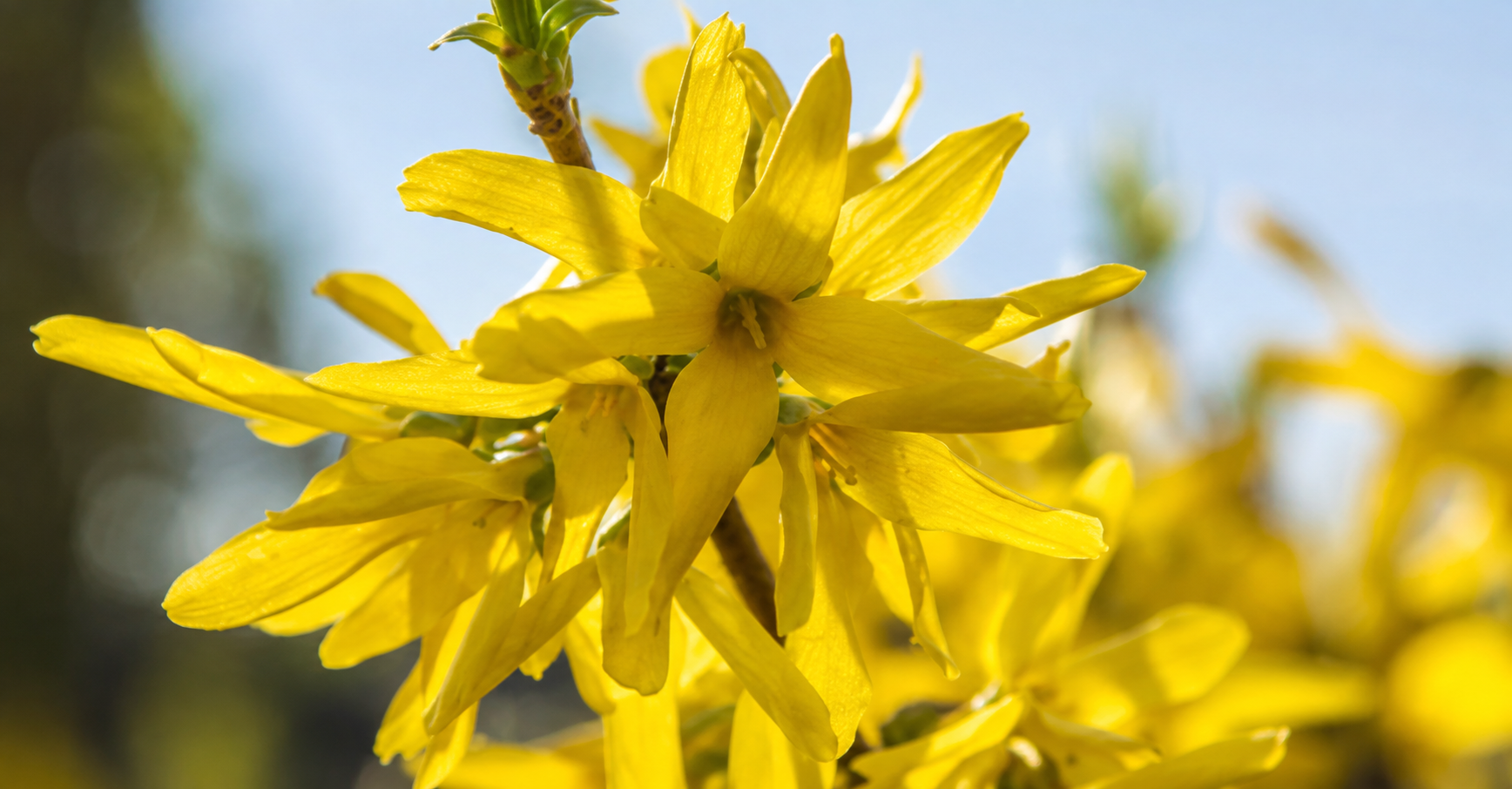
Nothing announces “winter is over” in the Northeast like forsythia. Those bright yellow blooms pop before many shrubs even wake up, and in the right spot, a mature forsythia can look like a glowing fountain of spring color. But not every forsythia performs the same in our region.
In colder or windier pockets of the Northeast, flower buds can be damaged by harsh winter temperatures or late freezes, leaving you with a healthy green bush and few blooms. For example, Forsythia × intermedia ‘Lynwood Variety’, often sold as ‘Lynwood Gold’, may experience bud damage in colder winters. That’s why variety selection matters.
Why Forsythia Performance Varies in the Northeast
Forsythia typically blooms on old wood, meaning flower buds form on stems that grew the previous season. If those buds are killed by winter cold, you’ll still get foliage, but the bloom show will be weak.
Cold-hardy selections focus specifically on flower bud hardiness. Cultivars such as ‘Meadowlark’ and ‘Northern Gold’ are useful choices for colder climates.
Louis Contino Landscaping tip (Northeast):
If you’re in an exposed area—open lawn, waterfront, north-facing slope, or anywhere wind whips—prioritize bud-hardy cultivars and place them where they get winter protection, such as near a fence line, evergreen backdrop, or leeward side of the home.
Choosing Varieties in the Northeast
- Classic tall screen / big spring statement: ‘Lynwood Gold’ / ‘Lynwood Variety’
- Colder inland areas / reliable bloom after tough winters: ‘Meadowlark’, ‘Northern Gold’, ‘Northern Sun’
- Small spaces / foundation beds / tight borders: Show Off® series
- Low, spreading massing / slope stabilization: creeping or groundcover-style options
1) Forsythia × intermedia — The Classic “Big Yellow” Forsythia
This is the common group behind many of the tall, arching forsythias seen along property lines. They’re vigorous, fast, and dramatic—excellent when you need a spring “wow” and quick coverage.
‘Lynwood Gold’ / ‘Lynwood Variety’
Why people love it: heavy flowering, strong upright/arching habit, and a classic look.
- Hardiness: commonly listed around Zones 5–8
- Mature size: typically 6–8 ft and often wider with age
- Best use: back borders, property lines, and “golden wall” effects
On Long Island and many coastal Northeast sites, ‘Lynwood Gold’ can be spectacular with full sun and some shelter.
2) Cold-Hardy, Bud-Hardy Forsythias
For colder inland climates, higher elevations, or areas with severe winters, bud-hardy cultivars provide more reliable flowering.
‘Meadowlark’
This is a go-to choice when winter bud hardiness is the priority.
- Reported mature size: about 10 ft x 10 ft
- Bud hardiness: excellent, with strong cold performance
- Best use: large borders, rural properties, and screens
This is a large shrub that wants room, but in the right location, it can provide dependable blooms after severe winters.
‘Northern Gold’
- Bud hardiness: good, with very cold bud tolerance
- Mature size: commonly 6–8 ft tall
- Best use: screens, mixed shrub borders, and tough climates
‘Northern Sun’
A bud-hardy selection listed around 10 ft tall x 9 ft wide. Like ‘Meadowlark,’ it is better suited to open landscapes than small foundation beds.
3) Compact & Dwarf Forsythias
Smaller properties, foundation beds, and modern landscapes often need compact plants.
Show Off® Sugar Baby®
- Mature size: roughly 1.5–2.5 ft tall and 2–3 ft wide
- Hardiness: often listed Zones 5–8
- Best use: foundation beds, front borders, walkways, and layered plantings
Use dwarf forsythia in groups of 3–7 for a clean, intentional landscape design.
Show Off® Starlet
A compact option listed at approximately 3 ft x 3 ft, offering more presence than Sugar Baby without becoming a large shrub.
Northeast Growing Conditions: How to Get the Best Bloom
Sunlight
Forsythia tolerates some shade, but full sun gives the best flowering. Reduced sunlight is a common reason mature plants produce fewer blooms.
Soil & Drainage
Forsythia is adaptable but does not want to sit in water. In Northeast clay pockets or low spots, improve soil and drainage so roots do not remain saturated.
Watering
- Year 1: consistent watering while establishing
- After establishment: moderate tolerance, although drought stress can reduce vigor and future bud development
Mulching
Keep mulch 2–3" deep and pulled back from the base of stems. Mulch helps stabilize moisture and protects roots from freeze-thaw cycling.
Pruning Forsythia Correctly
Forsythia blooms on old wood, so timing is essential.
The golden rule: Prune right after flowering.
Pruning in late summer, fall, or early spring can remove the buds that would have produced flowers.
How we prune forsythia:
- Right after bloom: remove up to 1/3 of the oldest stems at the base.
- Thin crossing branches to improve airflow.
- Lightly shape the plant rather than shearing it like a hedge.
Renewal pruning encourages productive new shoots and helps prevent older plants from becoming tangled and overgrown.
Where Forsythia Looks Best in Northeast Landscape Design
At Louis Contino Landscaping, we use forsythia strategically rather than treating it as simply a yellow shrub.
Property-Line Screening: Tall cultivars such as ‘Lynwood’, ‘Northern Gold’, and ‘Meadowlark’ provide quick spring screening. Combine them with evergreens, viburnum, lilac, or hydrangea for year-round interest.
Spring Focal Points: Place forsythia near entries or driveways and pair it with daffodils, crocus, and snowdrops.
Erosion Control / Slopes: Spreading, arching shrubs can help stabilize slopes when properly spaced with groundcovers.
Mixed Shrub Borders: Combine forsythia with serviceberry or ornamental cherry in spring, hydrangea in summer, Itea or viburnum in fall, and evergreens for winter structure.
Forsythia Variety Cheat Sheet
Large, classic shrubs
- ‘Lynwood Gold’ / ‘Lynwood Variety’ – big spring show
- ‘Meadowlark’ – very bud-hardy and large
- ‘Northern Gold’ – upright and cold-tough
- ‘Northern Sun’ – bud-hardy and large
Compact/dwarf
- Show Off® Sugar Baby® – small footprint
- Show Off® Starlet – compact option around 3' x 3'
Our Best Practical Advice for Northeast Homeowners
- Pick a bud-hardy cultivar if your site is exposed or winters are rough.
- Plant in full sun for maximum flower production.
- Prune right after bloom—never in fall or late winter.
- Give it room or choose a dwarf variety.
- Design for all seasons by pairing forsythia with shrubs and evergreens.
Need Help Choosing the Right Forsythia for Your Property?
At Louis Contino Landscaping, we design Northeast landscapes that look intentional in every season—spring color, summer structure, fall interest, and winter form. If you’re thinking about adding or replacing forsythia, we can help you choose the right cultivars for your microclimate, mature size, and overall landscape design.