
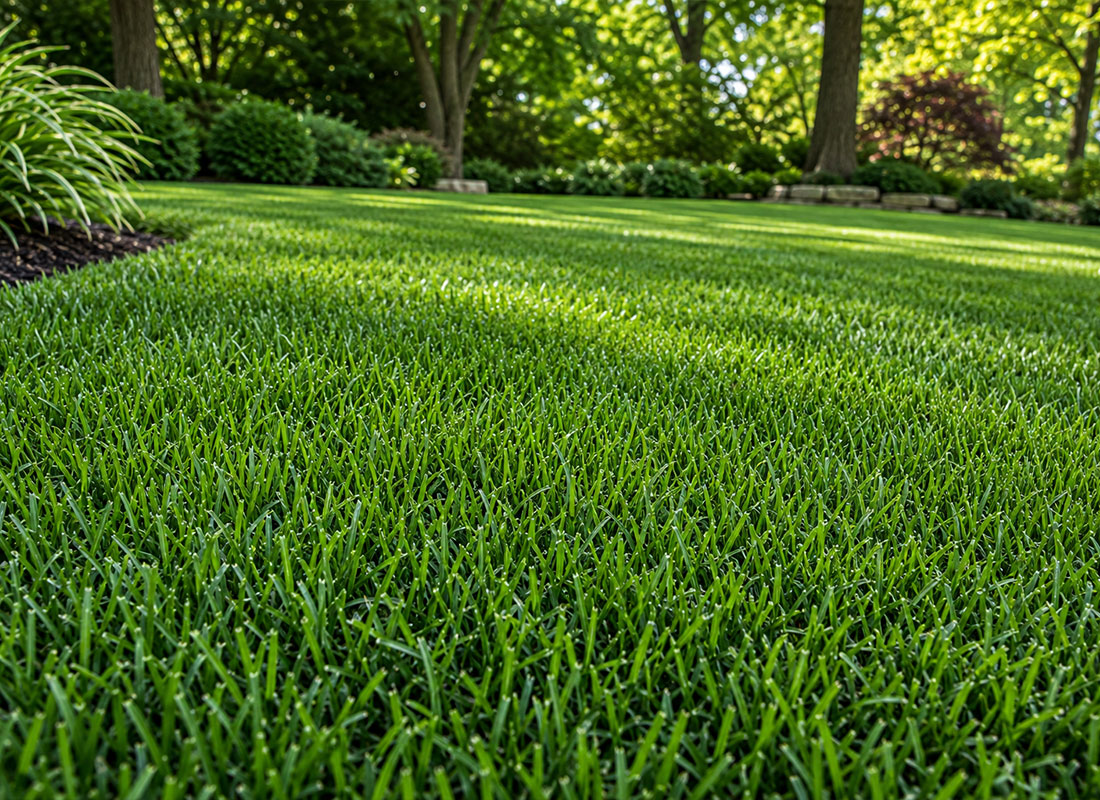
Fescue Grass
Everything you need to know about growing, maintaining, and loving this hardy turfgrass
Whether you’re a homeowner dreaming of a lush lawn, a landscaper looking for resilient turf options, or a gardener curious about different grass types, fescue grass (genus Festuca) deserves your attention. In this comprehensive blog, we’ll dive into what fescue grass is, its varieties, benefits, growing conditions, care tips, common problems, and how to choose the best type for your lawn or landscape — complete with photos to help you visualize each type.
What Is Fescue Grass?
Fescue grass refers to a group of cool-season grasses in the Festuca genus. These grasses are prized for their tolerance to shade, drought, and wear, making them versatile choices for lawns, parks, sports fields, and pastures — especially in regions with fluctuating temperatures.
The most common types include:
- Tall Fescue
- Fine Fescue (which includes creeping red fescue, chewings fescue, hard fescue, and sheep fescue)
- Meadow Fescue
- Sheep Fescue
Each has unique characteristics suited for specific climates and uses.
The Most Popular Fescue Types
1. Tall Fescue (Festuca arundinacea)
Tall fescue is the workhorse of fescue grasses. It’s known for:
- Wide blades and deep green color
- Excellent heat and drought tolerance
- Good traffic resistance
- Thrives in full sun to light shade
Unlike some other cool-season grasses, tall fescue’s deep root system allows it to stay greener and healthier in summer heat — provided you water properly.
Best for: Lawns with heavy use, home landscapes, transitional climates.
2. Fine Fescue
Fine fescues have narrow, delicate blades and are often used in blends. They include:
Creeping Red Fescue
- Spreads modestly via short rhizomes
- Excellent shade tolerance
Chewings Fescue
- Tolerates shade and low fertility
- Soft leaf texture
Hard Fescue
- Very drought tolerant
- Good for low-maintenance areas
Sheep Fescue
- Fine, clump-forming grass
- Great for erosion control
Fine fescues are often used in mixtures with tall fescue to balance durability and shade tolerance.
Best for: Shady areas, low-maintenance lawns, eco-friendly landscapes.
Where Fescue Grass Thrives
Fescue is a cool-season grass, meaning it flourishes in regions with cooler springs and falls. It performs especially well in:
- The transition zone — areas that are neither fully northern nor fully southern
- Northern climates with warm summers and cold winters
- Shady backyards where sunlight is limited
However, certain tall fescue cultivars are being bred for better heat tolerance, expanding their range further south.
Growing Conditions That Fescue Loves
Soil Type
Fescue prefers well-drained soil with moderate fertility. It tolerates clay and loam soils reasonably well.
Sunlight
- Tall fescue: Full sun to partial shade
- Fine fescue: Partial to full shade (some varieties handle shade better)
pH Range
A soil pH of 6.0–7.0 is ideal. Soil testing can help you adjust lime or sulfur correctly.
Watering Needs
Fescue needs consistent moisture, especially during establishment (first 6–8 weeks). Once established, tall fescue has good drought tolerance due to deep roots.
How to Plant Fescue Grass
Starting from Seed
1. Prepare the Soil
- Remove weeds and debris
- Loosen the top 4–6 inches of soil
- Add compost or starter fertilizer
2. Spread Seed Evenly
Use a seeder for large areas. Aim for the recommended rate on the seed bag (usually 6–8 lbs per 1000 sq ft for tall fescues, less for fine fescues).
3. Rake Gently and Water
Lightly rake, then water daily (or as soil dries) until seedlings establish.
Sodding Fescue
If you want instant turf, choose sod. Sodding gives you a finished lawn quickly and reduces erosion, but costs more.
Tip: Water sod thoroughly after installation and keep soil moist for 2–3 weeks while roots grow.
Lawn Care: Mowing, Watering & Fertilizing
Mowing
- Height: Keep fescue at 3–3.5 inches (tall fescue) or slightly lower for fine fescue blends
- Mow frequently enough to remove no more than one-third of leaf height per cut
Taller grass helps shade soil and reduce weed competition.
Watering Tips
- Establishment Phase: Light daily watering
- After Establishment: Deep, infrequent watering (about 1 inch per week)
Water early in the morning to reduce disease risk.
Fertilizing Schedule
- Spring & Fall: Best times to fertilize
- Avoid heavy fertilization in summer heat
Soil testing helps tailor fertilizer amounts to your lawn’s needs.
Common Lawn Problems (and How to Fix Them)
Pests
Fescue lawns can attract:
- Grubs
- Chinch bugs
- Armyworms
Solution: Monitor early, use targeted pest control, and maintain healthy turf.
Diseases
Common issues include:
- Brown patch
- Dollar spot
- Red thread
These usually show after heavy moisture and heat. Proper watering, mowing, and fungicide treatments help control outbreaks.
Thatch
Thatch buildup can suffocate roots.
Fix: Aerate yearly to allow air, water, and nutrients into the root zone.
Fescue in Blends: Better Together
Modern turfgrass science often recommends blending fescues (e.g., tall fescue + fine fescue) to balance strengths:
- Tall fescue: Durability and traffic tolerance
- Fine fescue: Shade tolerance and soft texture
A high-quality blend gives you a lawn that performs better in diverse conditions.
Fescue vs. Other Lawn Grasses
| Feature | Fescue | Kentucky Bluegrass | Bermuda Grass |
|---|---|---|---|
| Shade Tolerance | High | Low | Very low |
| Heat Tolerance | Moderate | Moderate | High |
| Drought Tolerance | Moderate | Low | High |
| Wear/Traffic | Moderate | High | High |
| Maintenance Level | Medium | Medium-High | High |
Fescue is often the best choice where shade is a concern or where you want a lower-maintenance cool-season turf.
FAQs About Fescue Grass
Is fescue grass good for pets?
Yes, fescue holds up well to pet traffic and is soft under paws. Prompt cleanup of pet waste keeps the lawn healthy.
Can fescue grow in full shade?
Fine fescues handle shaded conditions better than most grasses, making them ideal under trees and on north-facing slopes.
When is the best time to plant fescue?
Early fall is optimal because temperatures are cooler and soil is warm — perfect for germination.
Tips for a Happy, Healthy Fescue Lawn
- Water early mornings
- Mow high
- Aerate compacted soil
- Fertilize in spring & fall
- Use quality seed blends
- Control weeds before they take over
Conclusion
Fescue grass stands out as one of the most adaptable, durable, and practical turfgrass options for homeowners and landscapers alike. Whether you choose tall fescue for a family lawn, fine fescue for shaded spots, or a blend for all-around performance, knowing how to plant and care for it will set you up for success.
With the right care, your fescue lawn can be green, thick, and beautiful for most of the year — even in challenging conditions.