
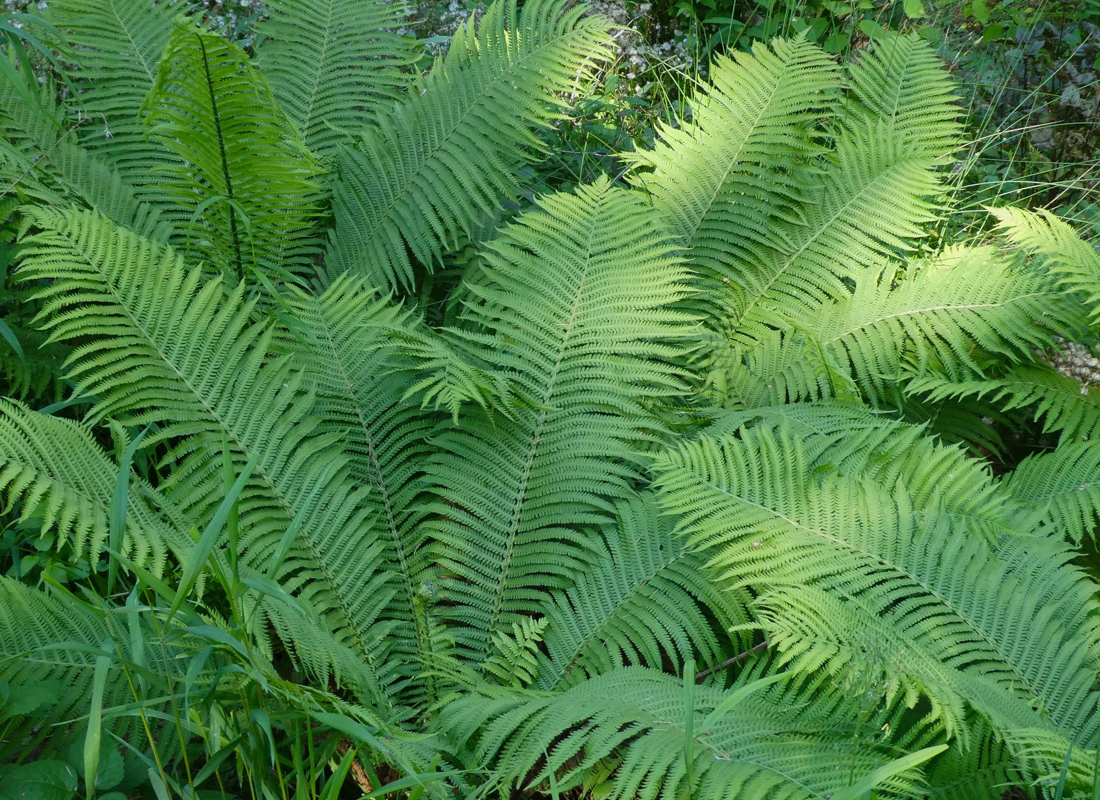
Fern Varieties for Northeast Gardens
Ferns are the secret weapon of Northeast landscapes—especially in places like Long Island where many properties have a mix of sun, shade, coastal wind, and pockets of moisture. They bring a lush, layered look that feels “finished” without needing constant flowers, and they shine in the exact areas homeowners struggle with most: shady foundation beds, under trees, north-facing corners, and damp low spots.
At Louis Contino Landscaping, we use ferns to create movement, texture, and a natural, high-end feel—whether we’re designing a woodland garden, softening a pool-side transition, or stabilizing a slope under mature trees. Below is a practical guide to fern varieties that perform well in the Northeast, how they look, where they thrive, and how to combine them for a professional, design-build result.
What Makes a Plant a “Fern”?
Ferns are ancient plants that reproduce by spores (not flowers or seeds). Most have:
- Fronds (their leaves)
- New fronds that unfurl as fiddleheads
- A preference for consistent moisture and shade to part shade (though there are exceptions)
In design terms, ferns are all about texture and form:
- Fine and airy (soft, delicate)
- Bold and architectural (tall, vase-shaped)
- Low and spreading (groundcover effect)
The Best Fern Varieties for Northeast Landscapes
1) Ostrich Fern (Matteuccia struthiopteris)
Look: Tall, vase-shaped, dramatic “plumes”
Height: 3–6 ft (in ideal moisture)
Best for: Woodland edges, along streams, rain garden borders, shady backyards
Why we love it: It reads like “instant landscape” because it fills space quickly and looks intentional.
Tips:
- Prefers moist, rich soil (it will struggle in dry shade unless irrigated or heavily amended).
- Spreads by rhizomes—great for naturalizing, but we often edge or contain it in tighter beds.
2) Cinnamon Fern (Osmundastrum cinnamomeum)
Look: Upright green fronds with distinctive cinnamon-colored fertile fronds
Height: 2–5 ft
Best for: Wet areas, pond edges, downspout zones (if properly designed), rain gardens
Design note: Adds a bold, “native wetland” vibe that looks incredible with boulders and stepping stones.
Tips:
- Likes consistently moist soil.
- Works well where many ornamentals fail due to soggy conditions.
3) Interrupted Fern (Osmunda claytoniana)
Look: Large fronds with a “gap” where spore-bearing leaflets appear
Height: 2–4 ft
Best for: Part shade, woodland gardens, naturalistic plantings
Why it’s useful: A strong, upright fern that bridges the gap between delicate and bold.
Tips:
- More adaptable than you’d expect, but still prefers moisture-retentive soil.
4) Royal Fern (Osmunda regalis)
Look: Large, almost shrub-like texture; looks “premium” and architectural
Height: 3–6 ft
Best for: Moist part shade, near water features, high-end woodland borders
Louis Contino Landscaping take: If you want a fern that feels upscale and commanding, royal fern is a top pick.
Tips:
- Avoid dry sites—this is not a “set it and forget it” fern if the soil dries out.
5) Christmas Fern (Polystichum acrostichoides)
Look: Evergreen/semievergreen fronds; tidy and structured
Height: 1–2 ft
Best for: Foundation beds, slopes, under trees, winter interest
Why homeowners love it: It holds shape and looks good even when other perennials disappear.
Tips:
- Handles drier shade better than many ferns.
- Great in masses for a clean, finished look.
6) Lady Fern (Athyrium filix-femina)
Look: Lacy, soft, elegant
Height: 1.5–3 ft
Best for: Shady borders, mixed perennial beds, cottage-woodland blends
Design use: Perfect when you want a softer texture next to hostas, heuchera, and hydrangeas.
Tips:
- Likes consistent moisture but can tolerate average garden conditions with mulch and good soil.
7) Japanese Painted Fern (Athyrium niponicum var. pictum)
Look: Silver-gray fronds with purple/red tones (a “designer” fern)
Height: 12–18 in
Best for: Accent plantings, shaded entry beds, high-contrast combinations
Why it’s popular in the Northeast: It brings color to shade without relying on flowers.
Tips:
- Best color in part shade (too deep shade = more green).
- Looks amazing paired with dark mulch or bluestone.
8) Maidenhair Fern (Adiantum pedatum)
Look: Delicate, airy, fan-shaped leaflets on dark stems
Height: 1–2 ft
Best for: Rich, moist, well-drained woodland soil; protected shade
Design note: This is the fern you use when you want a refined, almost “storybook” woodland look.
Tips:
- Needs consistent moisture and humus-rich soil.
- Avoid harsh wind and hot afternoon sun.
9) Sensitive Fern (Onoclea sensibilis)
Look: Broad, bright green fronds; strong presence
Height: 1–2 ft
Best for: Moist areas, rain garden edges, naturalizing
Caution: Spreads quickly—great for filling, but we usually place it where it can run.
Tips:
- If you have damp soil and want coverage, it’s a workhorse.
10) Hay-Scented Fern (Dennstaedtia punctilobula)
Look: Light, feathery, massing groundcover effect
Height: 1–2 ft
Best for: Slopes, woodland floors, erosion control in shade
Why it’s valuable: It creates a soft carpet that looks natural and helps stabilize soil.
Tips:
- Can spread aggressively—plan its boundaries (edging, paths, or natural limits).
11) New York Fern (Thelypteris noveboracensis)
Look: Narrow, tapering fronds (“it gets smaller as it goes,” like New York!)
Height: 1–2 ft
Best for: Native plantings, woodland edges, naturalizing
Design role: A native option that blends beautifully with shade-loving shrubs.
Tips:
- Good for a natural look; not as “formal” as Christmas fern.
12) Marginal Wood Fern (Dryopteris marginalis)
Look: Upright, symmetrical, tough and handsome
Height: 1.5–2.5 ft
Best for: Rock gardens in shade, under trees, foundation beds
Why we use it: Reliable structure and great texture without being fussy.
Tips:
- One of the better ferns for average moisture (still mulch it).
13) Ebony Spleenwort (Asplenium platyneuron)
Look: Slender fronds with dark central stems
Height: 8–18 in
Best for: Woodland edges, tucked into rock crevices, smaller beds
Design note: Great “detail plant” in intimate garden areas.
14) Polypody Fern (Polypodium virginianum)
Look: Low fern that grows in rocky areas
Height: 6–12 in
Best for: Shady stone walls, rock outcrops, naturalistic boulder plantings
Perfect for: The Northeast’s classic stone + woodland combination.
A Quick Word on Bracken Fern (Pteridium aquilinum)
Bracken is common and tough, but in many landscape situations it’s too aggressive and difficult to remove once established. We typically avoid it in designed beds unless a client specifically wants a wild, naturalized area and understands the maintenance tradeoffs.
Where Ferns Work Best on Long Island and the Northeast
Ferns are a natural fit for:
- Under mature trees (where grass struggles)
- North-facing foundation beds
- Shaded pool transitions (paired with stone and lighting)
- Coastal properties (in sheltered shade pockets)
- Rain garden edges and low areas (with the right species)
- Slopes in shade for erosion control (hay-scented, Christmas, marginal wood fern)
Fern Care Basics (So They Actually Thrive)
Soil
Most ferns prefer:
- Organic-rich soil (compost helps)
- Moisture-retentive but well-drained conditions
Water
The biggest mistake we see: planting ferns in dry shade and expecting them to “figure it out.”
If the site is dry, we’ll typically do one (or more) of these:
- Soil amendment (compost + leaf mold)
- Deeper mulch layer
- Drip irrigation / micro-irrigation
- Choose tougher ferns (Christmas fern, marginal wood fern)
Mulch
A 2–3" mulch layer helps keep roots cool and soil evenly moist. In woodland-style beds, shredded bark or leaf mulch looks natural and performs well.
Sun Exposure
Most do best in shade to part shade. A few tolerate more sun if they have consistent moisture (like ostrich fern in a moist site).
Design Combinations That Look Professional
If you want ferns to look “designed” and not just “planted,” pair them with contrast:
Bold + Bold (architectural):
- Ostrich fern + hydrangea + boulders + landscape lighting
Soft woodland:
- Maidenhair fern + lady fern + foamflower (Tiarella) + native ginger (Asarum)
Color in shade:
- Japanese painted fern + heuchera + brunnera + dark mulch or bluestone
Evergreen structure:
- Christmas fern + boxwood alternatives (inkberry holly, Ilex crenata) + shade-tolerant groundcovers
How Louis Contino Landscaping Uses Ferns in Real Projects
On many Northeast properties, especially on Long Island, the “problem” areas are shaded and the soil can be sandy or inconsistent. Ferns let us turn those spaces into assets—layering heights, creating depth, and making a yard feel cooler, calmer, and more natural.
We often design fern zones in:
- Woodland-style side yards
- Backyard shade lounges
- Transition areas between patio and property line
- Understory plantings beneath ornamental trees
Ferns also pair beautifully with stonework—pavers, boulders, retaining walls—because they soften hard edges and make the masonry feel integrated into the landscape.
Fern Cheat Sheet
If you want a simple starting point:
- Best evergreen + tidy: Christmas fern
- Best tall + dramatic: Ostrich fern
- Best “designer color” fern: Japanese painted fern
- Best delicate woodland: Maidenhair fern
- Best for wet soil: Cinnamon fern / Royal fern
- Best for slopes/coverage: Hay-scented fern (plan boundaries)
Want a Fern-Focused Shade Garden Designed for Your Property?
If you’re in Oyster Bay or anywhere on Long Island, Louis Contino Landscaping can help you choose the right fern varieties for your light, soil, and maintenance comfort level—then build a layered planting that looks intentional from day one.
Call us today for a free estimate at 631-351-5409.