
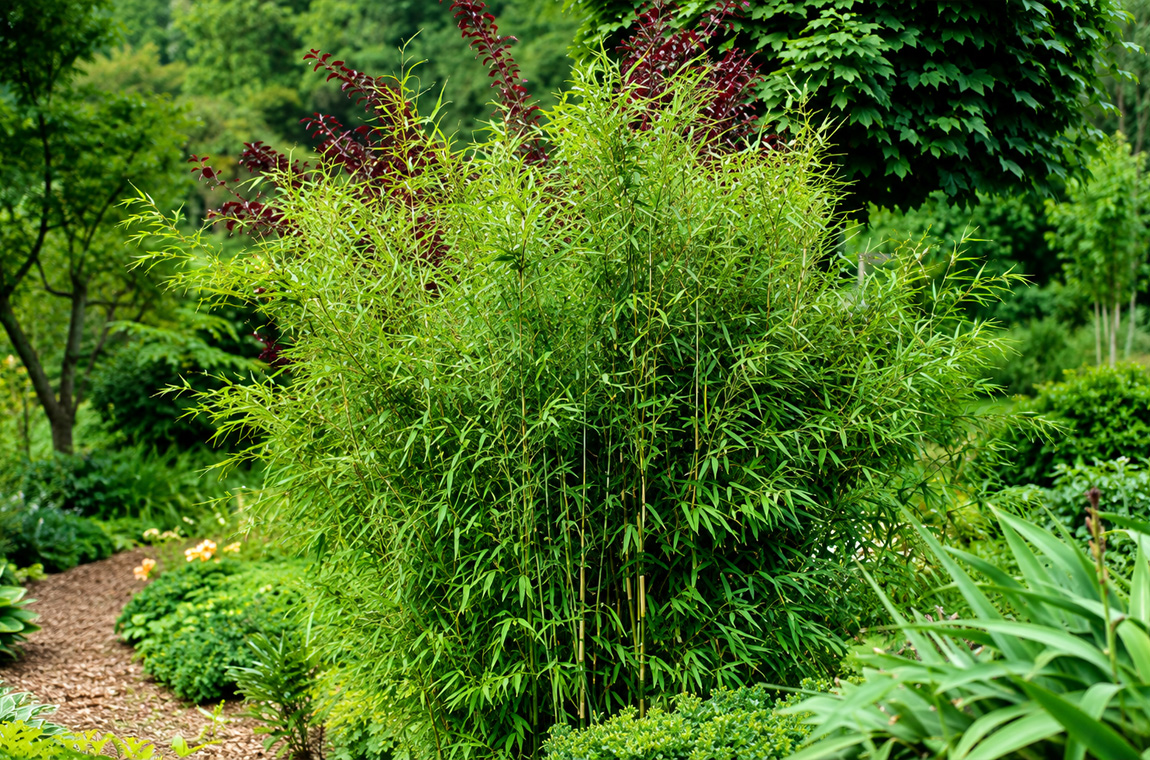
Fargesia murieliae (Umbrella Bamboo)
If you’re seeking a striking evergreen plant with a graceful form, easy care, non invasive growth, and deer resistant qualities, Fargesia murieliae — commonly called Umbrella Bamboo — is one of the best choices for temperate gardens. Unlike invasive “running bamboo,” this species clumps naturally, grows in a fountain like shape, and offers year round texture and color that enhances gardens, screens, and borders.
In this comprehensive gardening blog, you’ll discover everything about Fargesia murieliae — from its botanical features and deer resistance to planting, care, landscape uses, and seasonal interest — all illustrated with helpful images to inspire your design.
What Is Fargesia murieliae?
Fargesia murieliae is a species of clumping bamboo native to the mountainous regions of central China. It is sometimes referred to as umbrella bamboo because of the arching shape of its stems and foliage, which create a soft, cascading canopy that resembles an umbrella.
Unlike many bamboo species that spread aggressively through underground runners, Fargesia murieliae grows in tight clumps, making it much easier to manage in gardens without the need for barriers or constant pruning. This non invasive habit has made it a favorite among gardeners seeking dense but tidy bamboo plantings.
It’s hardy, adaptable, and has earned recognition for its performance and reliability in gardens where other bamboos may struggle.
Key Botanical Features
Evergreen Clump Form
Fargesia murieliae forms upright clumps of slender, green canes with abundant narrow leaves. The foliage remains evergreen through winter in most climates, providing year round interest without leaf drop.
Size & Growth Habit
- Height: Typically 10–15 feet (3–4.5 m) tall at maturity.
- Width: Usually 3–5 feet (1–1.5 m) wide per clump.
- Growth Pattern: Clumping (non running), meaning it stays where you plant it and expands slowly outward over time — ideal for gardens with boundaries or structural planting themes.
Foliage & Texture
The leaves are narrow and lance shaped, bright green, and dense along the slender canes, which give the plant a lacy, feathery texture. The new shoots often emerge with a hint of contrasting color before aging to the classic green, lending seasonal nuance to the display.
Hardiness & Climate
Umbrella bamboo is hardy in USDA Zones 5–9, making it suitable for a wide range of climates from cool temperate regions to mild coastal areas. It can tolerate cold down to around 20 °F (−29 °C) with proper care.
Deer Resistance — Why It’s Garden Friendly
One of Fargesia murieliae’s key advantages for many gardeners is its deer resistant reputation. While no plant is completely “deer proof,” Fargesia bamboos tend to be less appealing to deer compared with other ornamental shrubs and perennials. This makes them a smart choice for landscapes where deer browsing is a concern.
That said, deer behavior varies by region and individual pressure levels — if habitat or food is scarce, even plants considered resistant may receive occasional browsing. In general, though, Fargesia murieliae performs better than many shrubs when deer are present.
Ideal Growing Conditions
To get the best performance from Umbrella Bamboo, it helps to understand what conditions it prefers.
Light & Exposure
This species thrives in partial shade to filtered sunlight, making it ideal for woodland gardens, patios, and mixed beds. It will tolerate full sun, especially in cooler climates, but may need protection from harsh afternoon sun in hotter regions, which can cause leaf curl or stress.
Soil & Moisture
Fargesia murieliae prefers moist, well drained soil that is rich in organic matter. It is adaptable to a range of soil types (clay, loam, and even sandy soils with good drainage), but it does not like to sit in soggy conditions. Consistent moisture supports healthy growth, especially in summer.
Watering
Keep soil evenly moist, especially during establishment in the first 1–2 growing seasons. In hot, dry weather, deep, infrequent watering encourages deep root development and helps the plant stay vigorous.
Wind & Protection
While generally resilient, bamboo can benefit from protection from strong winds, which may dry or stress the foliage. Planting near structures or other shrubs can reduce wind exposure without compromising light.
Planting & Establishment
Proper planting makes a big difference in how quickly Fargesia murieliae establishes and thrives.
1. Choose the Right Site
Select a site with partial shade to light sun and well drained soil. Avoid low spots where water accumulates after rain.
2. Planting Technique
- Dig a hole a few inches wider than the root ball but no deeper than its current container depth.
- Amend soil with compost or organic matter if the native soil is poor.
- Place the plant at the same depth as it was in the pot, then backfill gently and water well.
3. Water After Planting
Water thoroughly after planting and keep soil moist (but not soggy) as roots establish. Mulch helps retain moisture and reduce weeds.
Maintenance & Care
One of the appeals of Fargesia murieliae is its relatively low maintenance nature once established.
Pruning
Minimal pruning is needed. Remove dead, damaged, or weak canes in early spring before new growth begins. You can also thin out older clumps to improve airflow and showcase the upright form.
Fertilization
Apply a balanced, slow release fertilizer in early spring to support new growth. Avoid high nitrogen fertilizers that can promote excess leaf growth at the expense of structural strength.
Seasonal Cleanup
Clear away fallen leaves or debris around the base to prevent pests or fungal issues. Bamboo is generally disease free, but good garden hygiene always helps.
Landscape Uses & Design Ideas
Fargesia murieliae offers versatility in garden design, from bold statements to subtle structural accents.
1. Privacy Screen & Hedge
Bamboos naturally form dense foliage walls — perfect for screening fences, patios, or neighbor views. Plant multiple clumps 3–5 feet apart to form an evergreen wall of privacy.
2. Woodland & Naturalized Beds
Integrate with shade tolerant perennials like hostas, ferns, and heuchera for a soft, woodland garden feel where vertical bamboo contrasts with broadleaf plants’ textures.
3. Specimen Planting
A single dramatic clump of umbrella bamboo makes a striking focal point in a large garden bed or courtyard. Its fountain form and evergreen foliage provide visual interest year round.
4. Container Planting
In smaller spaces or patios, bamboo can thrive in large containers. Use wide, deep pots to accommodate root systems and provide stability for tall canes.
5. Background Plant
Use as an evergreen backdrop for seasonal flowers. The bamboo’s fine texture contrasts beautifully with bold blooms or broad, coarse foliage.
Wildlife & Ecological Benefits
While primarily chosen for its ornamental impact, Fargesia murieliae also supports garden ecology:
- Dense bamboo clumps provide habitat or shelter for small birds and insects.
- Leaves and stems offer structural cover that enhances garden biodiversity.
Plus, its evergreen nature contributes green structure during winter when other plants lie dormant.
Seasonal Interest Throughout the Year
Spring
New shoots emerge, filling out clumps and adding fresh energy to your garden.
Summer
Lush green foliage creates a cooling, tropical ambiance — perfect for mixed borders or relaxed garden rooms.
Fall
Leaves maintain color and structure as other plants fade, making bamboo a year long statement.
Winter
Evergreen canes and leaves provide texture and color against winter landscapes, especially where snow or frost adds contrast.
Seasonal Care Calendar
| Season | Care Tips |
|---|---|
| Spring | Apply fertilizer; prune dead canes; mulch base. |
| Summer | Maintain even soil moisture; check for drought stress; support growth. |
| Fall | Add mulch and clean up debris; prepare roots for winter. |
| Winter | Enjoy evergreen structure; protect from heavy snow if needed. |
Final Thoughts:
Fargesia murieliae (Umbrella Bamboo) is a beautiful, hardy, non invasive bamboo perfect for a variety of landscapes — from privacy screens and shaded gardens to dramatic single specimens or container accents. Its clumping habit, deer resistance, and year round evergreen presence make it a valuable choice for both novice and experienced gardeners alike.
Whether your goal is privacy, texture, or elegant tropical flair, this bamboo brings graceful movement and timeless appeal to outdoor spaces — anchoring landscapes with vertical rhythm and lush greenery through every season.