
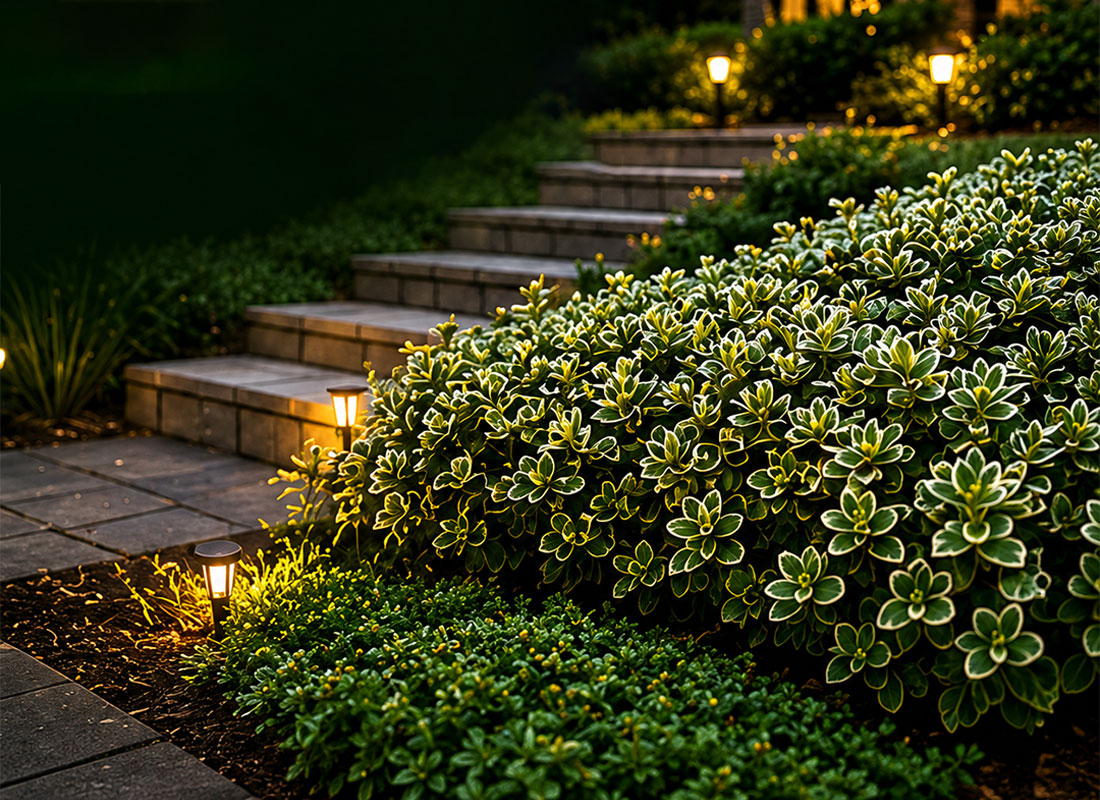
Euonymus ‘Emerald Gaiety’ (Deer, Rabbit & Salt Resistant)
Euonymus ‘Emerald Gaiety’ is one of the most versatile evergreen shrubs available to home gardeners and landscape designers. Known for its glossy green leaves edged in crisp white, this durable plant offers year-round interest, adaptability to difficult conditions, and excellent resistance to deer, rabbits, and salt exposure.
Whether you need a low hedge, evergreen groundcover, slope stabilizer, or foundation plant, Emerald Gaiety delivers structure, texture, and reliability with minimal maintenance.
This comprehensive guide covers everything you need to know about growing and using Euonymus ‘Emerald Gaiety’ successfully in your landscape.
Plant Overview
- Botanical name: Euonymus fortunei ‘Emerald Gaiety’
- Common name: Emerald Gaiety Wintercreeper
- Plant type: Broadleaf evergreen shrub
- Mature height: 3–5 feet (can climb higher with support)
- Mature spread: 4–6 feet
- USDA Zones: 5–8 (sometimes zone 9 in protected areas)
- Growth rate: Moderate
- Key features: Variegated foliage, deer resistant, rabbit resistant, salt tolerant
This cultivar of wintercreeper is prized for its dense, mounding growth habit and attractive foliage that provides four seasons of interest.
Foliage and Seasonal Interest
The most distinctive feature of Emerald Gaiety is its foliage.
Spring and Summer
During the growing season, the plant produces small, oval leaves that are deep emerald green with creamy white margins. The variegation brightens shady corners and creates contrast against darker shrubs or flowering plants.
The leaves are glossy and leathery, contributing to the plant’s durability and resistance to browsing animals.
Fall and Winter
As temperatures cool, the white margins often develop a pink or reddish blush. This subtle winter coloration adds unexpected warmth to the landscape when most other plants are dormant.
Because it is evergreen, Emerald Gaiety maintains structure and color even in the coldest months, making it particularly valuable in winter gardens.
Deer and Rabbit Resistance
One of the primary reasons homeowners choose Emerald Gaiety is its resistance to deer and rabbits.
The plant’s thick, somewhat leathery foliage and slightly bitter taste make it less appealing to grazing animals. While no plant is completely deer-proof, Emerald Gaiety is considered reliably resistant in most regions.
This makes it especially useful in:
- Rural landscapes
- Suburban neighborhoods with heavy deer pressure
- Woodland garden edges
- Unfenced front yards
Young plants may occasionally be sampled, but once established, they are rarely damaged.
Salt Tolerance
Emerald Gaiety is notably tolerant of salt, making it an excellent choice for challenging environments.
Ideal for Coastal Gardens
If you garden near the ocean, salt spray can damage many ornamental shrubs. Emerald Gaiety handles coastal conditions well, maintaining healthy foliage despite exposure.
Roadside and Driveway Plantings
In colder climates where road salt is used during winter, this shrub performs better than many broadleaf evergreens. It can be planted along:
- Driveways
- Sidewalks
- Streetscapes
- Parking lot borders
Its salt tolerance makes it a dependable performer in urban and suburban landscapes.
Light Requirements
Emerald Gaiety adapts to a wide range of light conditions.
Full Sun
In full sun, the variegation tends to be brightest and most defined. The plant remains compact and dense.
Partial Shade
In partial shade, growth may be slightly looser, but the plant still performs well. This flexibility allows it to be planted in mixed beds or beneath open-canopy trees.
Heavy Shade
While it tolerates shade, deep shade can reduce variegation and make the plant leggy. For best results, provide at least several hours of sunlight daily.
Soil and Water Needs
Emerald Gaiety is not fussy about soil, which adds to its appeal.
Soil
- Prefers well-drained soil
- Tolerates sandy or loamy conditions
- Adapts to slightly acidic to slightly alkaline pH
- Does not tolerate prolonged waterlogged soil
Good drainage is the most important factor for success.
Water
During the first growing season, provide consistent moisture to establish strong roots.
Once established, the plant becomes moderately drought tolerant. Supplemental watering during extended dry periods will help maintain lush foliage, but it is generally low maintenance.
Growth Habit and Versatility
One of the greatest strengths of Emerald Gaiety is its versatility in the landscape.
1. Groundcover
When planted 2–3 feet apart, it forms a dense, spreading groundcover that suppresses weeds and stabilizes soil. This makes it ideal for:
- Slopes
- Hillsides
- Underplanting beneath taller shrubs
- Large open beds
Its evergreen nature ensures year-round coverage.
2. Low Hedge or Border
With light pruning, Emerald Gaiety forms a neat, compact hedge approximately 3–4 feet tall. The white-edged foliage creates a clean, defined border along:
- Walkways
- Garden paths
- Property lines
- Foundation plantings
3. Climbing Accent
As a member of the wintercreeper family, Emerald Gaiety can climb if given support. It attaches itself to walls, fences, or trellises using aerial rootlets.
Used this way, it provides vertical evergreen interest and softens hard surfaces.
4. Foundation Plant
Its manageable size and tidy habit make it an excellent foundation shrub. It pairs well with flowering perennials and ornamental grasses for layered planting designs.
5. Container Planting
Emerald Gaiety can also be grown in containers. Its evergreen foliage provides year-round interest on patios, balconies, and entryways.
Ensure containers have proper drainage and protect roots in extremely cold climates.
Pruning and Maintenance
Emerald Gaiety is considered low maintenance, but occasional pruning enhances its appearance.
Pruning Guidelines
- Prune in late spring to shape the plant.
- Lightly trim again in late summer if needed.
- Remove any all-green shoots that revert from variegation.
- For hedges, shear lightly to maintain a dense form.
The plant responds well to pruning and can be rejuvenated if it becomes overgrown.
Companion Planting Ideas
Emerald Gaiety works beautifully with a wide variety of plants.
Spring Combinations
Pair with spring bulbs such as:
- Daffodils
- Tulips
- Grape hyacinths
The bright flowers contrast attractively with the white-edged foliage.
Summer Pairings
Combine with:
- Lavender
- Salvia
- Coreopsis
- Coneflowers
The evergreen base highlights colorful blooms and adds structure.
Textural Contrast
For visual interest, plant alongside:
- Ornamental grasses
- Dark-leaved shrubs
- Broadleaf evergreens with solid green foliage
The variegation provides a striking counterpoint.
Pests and Potential Issues
Emerald Gaiety is generally trouble-free, but a few issues may arise.
Euonymus Scale
Scale insects can occasionally infest stems and leaves. Signs include yellowing leaves and sticky residue. Treat with horticultural oil if necessary.
Powdery Mildew
In humid conditions with poor air circulation, fungal issues may appear. Proper spacing and pruning usually prevent problems.
Reversion
Some stems may produce solid green leaves. These shoots grow more vigorously and should be pruned out promptly to maintain variegation.
Landscape Design Applications
Because of its durability and adaptability, Emerald Gaiety fits into many design styles.
Formal Gardens
Its neat foliage and tolerance for trimming make it suitable for structured, symmetrical designs.
Cottage Gardens
The variegation blends well with abundant flowering perennials in informal settings.
Coastal Landscapes
Salt tolerance and wind resilience make it a strong performer near the shore.
Urban Landscapes
Its ability to tolerate pollution and road salt makes it useful in city plantings.
Environmental Benefits
Beyond aesthetics, Emerald Gaiety offers environmental advantages.
- Provides winter shelter for small birds
- Produces occasional berries that attract wildlife
- Helps control soil erosion on slopes
- Suppresses weeds when used as groundcover
Its dense growth habit makes it both practical and ecologically supportive.
Planting Tips for Success
To ensure strong establishment:
- Dig a hole twice as wide as the root ball.
- Loosen surrounding soil to encourage root spread.
- Plant at the same depth as in the nursery container.
- Water thoroughly after planting.
- Apply mulch to conserve moisture and suppress weeds.
- Avoid piling mulch against the stems.
Spacing depends on intended use:
- Groundcover: 2–3 feet apart
- Hedge: 18–24 inches apart
- Specimen shrub: Allow 4–6 feet of spread
Why Choose Euonymus ‘Emerald Gaiety’?
Few shrubs combine ornamental beauty and toughness as effectively as Emerald Gaiety.
It offers:
- Year-round evergreen foliage
- Attractive variegation
- Winter color enhancement
- Deer resistance
- Rabbit resistance
- Salt tolerance
- Drought tolerance once established
- Flexible growth habit
- Low maintenance care
For homeowners seeking dependable structure and reliable performance, this shrub checks nearly every box.
Final Thoughts
Euonymus ‘Emerald Gaiety’ is more than just a pretty evergreen. It is a resilient landscape solution that adapts to a variety of climates and conditions while maintaining strong ornamental appeal.
From coastal gardens exposed to salt spray to suburban yards challenged by deer, this plant proves its value year after year. Its crisp variegation brightens garden beds in summer and takes on delicate pink hues in winter, ensuring continuous interest.
Whether used as groundcover, hedge, foundation plant, climber, or container specimen, Emerald Gaiety is a dependable and versatile addition to nearly any landscape design.
If you are looking for a hardy evergreen that offers beauty without demanding constant attention, Euonymus ‘Emerald Gaiety’ deserves serious consideration.