
Elderberry ‘Black Lace’
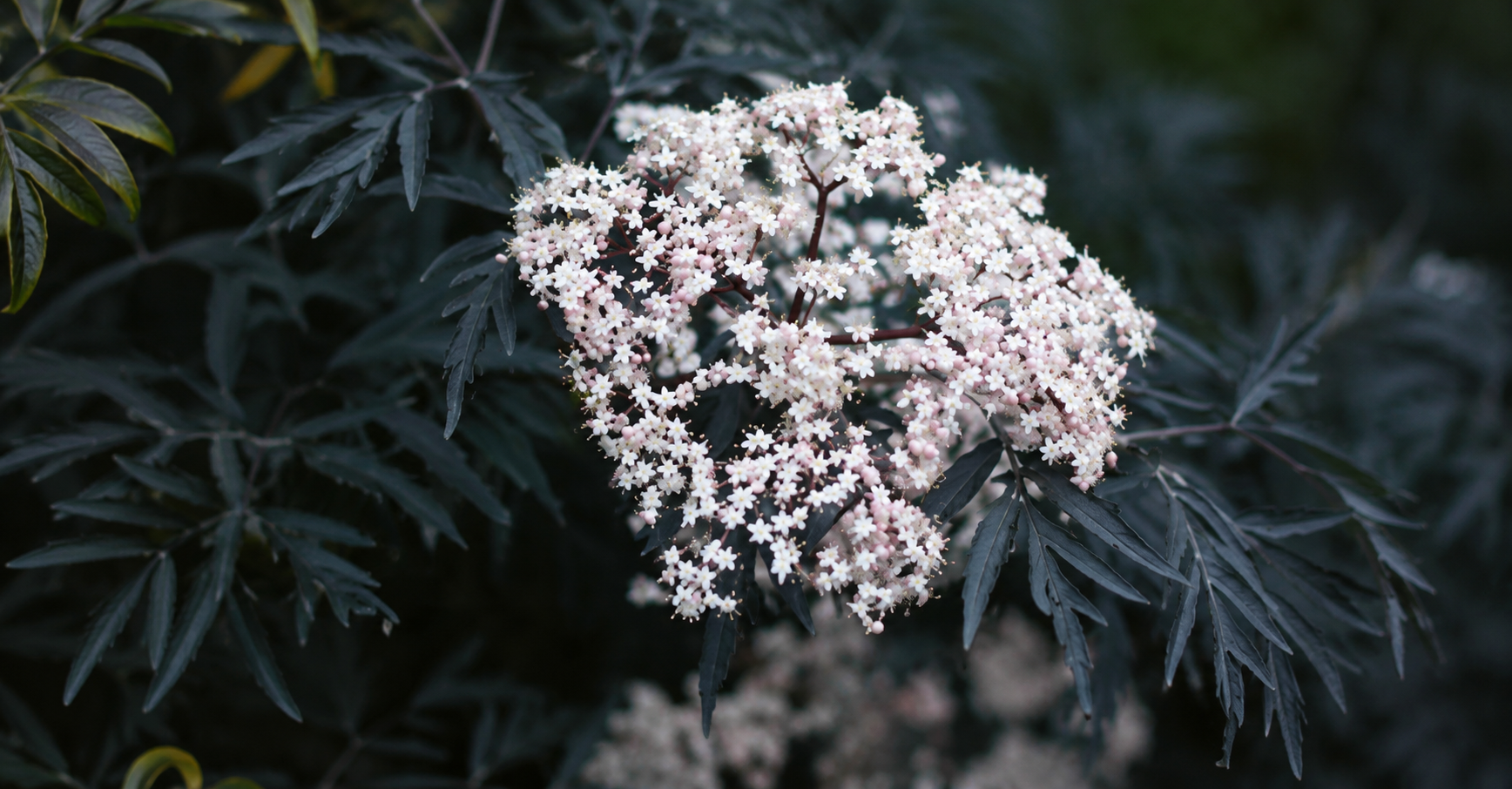
Elderberry Sambucus nigra Black Lace is one of the most striking ornamental shrubs you can add to your landscape. It is prized for its deep purple black finely dissected foliage, soft pink flowers in spring, and ornamental berries in the fall. With a form and texture reminiscent of a Japanese maple but with greater durability, Black Lace brings season long drama, wildlife value, and deer resistance to gardens.
What Is Elderberry Black Lace
Elderberry Black Lace is a cultivar of Sambucus nigra developed for ornamental foliage and texture rather than fruit production. Its leaves are deep purple to nearly black and finely cut, giving a lace like appearance.
Key characteristics include deep purple black foliage, soft pink flowers, dark purple black berries, a mature height and spread of around 6 to 8 feet, USDA Zones 4 to 7, and full sun to part sun exposure.
Why Gardeners Love Black Lace
The most distinctive trait of Black Lace is its deep chocolate purple foliage that provides dramatic visual interest throughout the growing season.
In late spring, creamy pink flowers emerge against the dark foliage, creating a beautiful contrast across borders and beds.
If properly pollinated, Black Lace can produce dark berries in autumn that attract songbirds and other wildlife.
Although no plant is completely deer proof, Black Lace is generally rated as deer resistant.
It also attracts butterflies, hummingbirds, and songbirds, adding wildlife value to the garden.
How to Plant and Grow Black Lace
Black Lace performs best in full sun, although part sun is acceptable. Full sun helps enhance foliage color and flower production.
It prefers moist, well drained soil but can adapt to average and richer soil types. Allow approximately 6 to 8 feet between plants.
Water regularly during establishment. Once established, elderberries tolerate occasional dry periods but perform best with consistent soil moisture.
Black Lace can be pruned after flowering to control size and shape. It can also be cut back in late winter or early spring for rejuvenation. Avoid heavy pruning before blooms form because flowers appear on old wood.
Seasonal Interest
In spring and summer, deeply cut foliage emerges followed by pink flowers. In fall, dark berries may develop and attract birds before the leaves drop.
During winter, Black Lace becomes a deciduous shrub with an architectural silhouette that continues to provide structural interest.
Landscape Uses
Black Lace works beautifully as a statement specimen near entryways, patios, or mixed borders.
Multiple plants can be arranged as an informal hedge to create a textured dark leaf screen.
It also works well in mixed borders when combined with lighter foliage, ornamental grasses, bright coneflowers, or golden grasses.
For wildlife gardens, pair Black Lace with native plants to support butterflies and birds.
Companion Plants
Black Lace pairs beautifully with ornamental grasses, gold or lime foliage shrubs, bright perennials such as echinacea and rudbeckia, and shade tolerant groundcovers.
These combinations balance its dramatic dark foliage with bright seasonal growth.
Care Tips
Elderberries thrive with consistent moisture. Mulch helps retain soil water and regulate temperature.
Black Lace is generally low maintenance, although regular inspection and good air circulation can help reduce fungal issues.
While typically deer resistant, young plants may still be browsed in areas with high deer pressure. Protective fencing during establishment can help.
Final Thoughts
Sambucus nigra Black Lace is a reliable, dramatic, and deer resistant garden performer. Its deep purple foliage, contrasting flowers, and ornamental berries provide beauty from spring through fall.