
Eastern Redbud: A Signature Tree for Northeast Landscapes
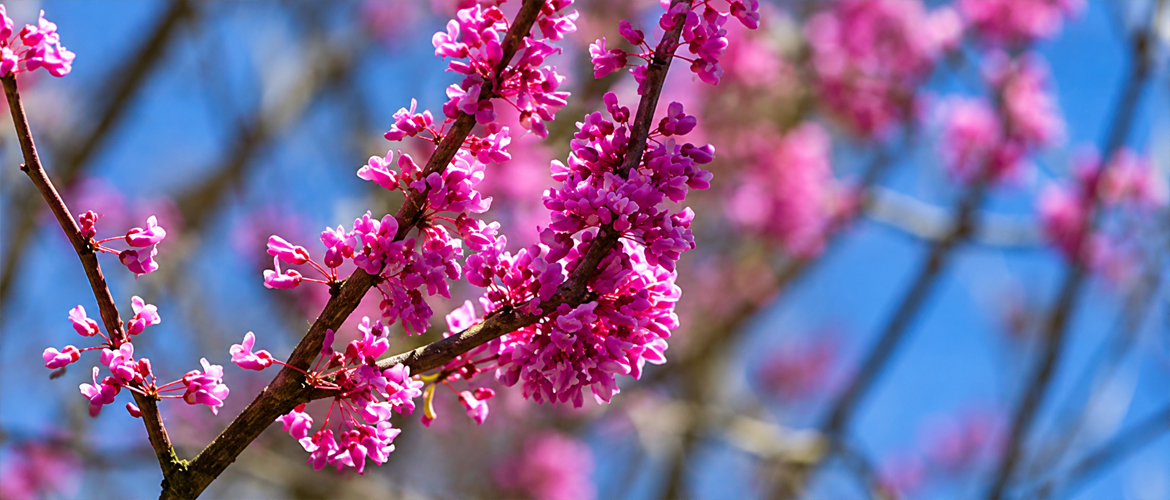
The Eastern Redbud is a beloved ornamental tree in the Northeast, known for its pink-lavender spring blossoms that appear before the leaves emerge. This native tree offers year-round interest, ecological benefits, and design versatility. At Louis Contino Landscaping Inc., we recommend Eastern Redbuds for homeowners seeking early-season color and natural elegance.
Throughout Long Island and the Northeast, the Eastern Redbud adapts well to seasonal changes and creates a memorable focal point near entryways, woodland edges, patios, and modern landscapes.
The Beauty of Eastern Redbud
Clusters of pea-like flowers emerge directly along the branches and trunk, creating a dramatic spring display. After flowering, heart-shaped green leaves provide soft summer texture, often turning warm yellow in fall. During winter, the distinctive branching structure adds visual interest.
Botanical Background
The Eastern Redbud, scientifically known as Cercis canadensis, is native to eastern North America and supports regional ecosystems.
Key characteristics include:
Mature height: approximately 20–30 feet
Spread: 25–35 feet
Growth rate: moderate
Form: rounded canopy with graceful branching
Hardiness: USDA Zones 4–9
Its moderate size makes it suitable for residential properties where larger shade trees may overwhelm the space.
Why We Recommend Eastern Redbuds
Four-Season Interest
Spring blossoms, summer foliage, fall color, and sculptural winter branches provide changing beauty throughout the year.
Ideal Residential Scale
The Eastern Redbud offers ornamental impact without dominating smaller yards or interfering with nearby structures.
Native and Wildlife Friendly
As a native species, it supports pollinators such as bees and butterflies early in the season when food sources are limited.
Adaptability
Once established, Redbuds tolerate a range of soils and light conditions, making them suitable for different landscape settings.
Design Applications in Northeast Landscapes
Entryway Accent Tree
Planting a Redbud near a front walk or driveway creates an inviting seasonal focal point and enhances curb appeal.
Woodland Edge Planting
Redbuds soften the transition between lawns and natural areas, adding depth and visual interest.
Poolside or Patio Framing
Their relatively compact size makes them suitable for outdoor living areas without overwhelming the space.
Multi-Season Gardens
Combining Redbuds with evergreen shrubs, ornamental grasses, and perennials creates balanced, year-round landscaping.
Popular Eastern Redbud Varieties
‘Forest Pansy’
Features dramatic purple foliage that adds bold contrast to modern landscapes.
‘The Rising Sun’
Displays gold, orange, and green foliage, bringing brightness and seasonal color.
‘Ace of Hearts’
A compact variety suited to smaller yards and restricted planting spaces.
‘Lavender Twist’
This weeping Redbud features cascading branches that create a distinctive sculptural focal point.
Planting Considerations
Sunlight
Redbuds perform best in full sun to partial shade. Some afternoon shade can help reduce summer stress in the Northeast.
Soil and Spacing
They prefer well-drained soil but can adapt to clay and loam when drainage is improved. Allow sufficient room for mature growth and avoid crowding buildings or large trees.
Protection
Mulch around the root zone to retain moisture and help protect young trees from lawn equipment.
Seasonal Care and Maintenance
Watering
Regular watering during the first two years supports establishment. Mature trees tolerate moderate drought.
Pruning
Remove dead or crossing branches in late winter to maintain a healthy structure.
Mulching and Fertilization
A 2–3 inch mulch ring helps regulate soil temperature and moisture. Fertilizer is usually unnecessary in fertile soils, although light feeding may help in poor conditions.
At Louis Contino Landscaping, we emphasize preventative care that allows the tree’s natural beauty to shine.
Landscape Pairings and Ecological Benefits
Eastern Redbuds pair well with flowering shrubs, ornamental grasses, evergreen screening plants, and deer-resistant perennials. These combinations create layered color, contrasting textures, and year-round structure.
Beyond aesthetics, Redbuds provide an early nectar source for pollinators, support native insects and birds, offer shade that helps reduce urban heat, and contribute to suburban biodiversity.
Common Challenges
Potential problems include stress from overwatering or poor drainage, mechanical damage from lawn equipment, and branch breakage during heavy snow. Proper installation and early structural pruning help reduce these risks.
Final Thoughts from Louis Contino Landscaping
The Eastern Redbud is more than a flowering tree; it transforms Northeast landscapes with graceful branching, spectacular blossoms, and ecological value. Its manageable size and seasonal beauty make it suitable for traditional homes, modern properties, and naturalistic gardens.
Louis Contino Landscaping Inc. specializes in custom landscape design and build services throughout Long Island. If you are considering an Eastern Redbud, our team can help you select the right variety, placement, and companion plants to create a beautiful landscape designed for long-term enjoyment.