
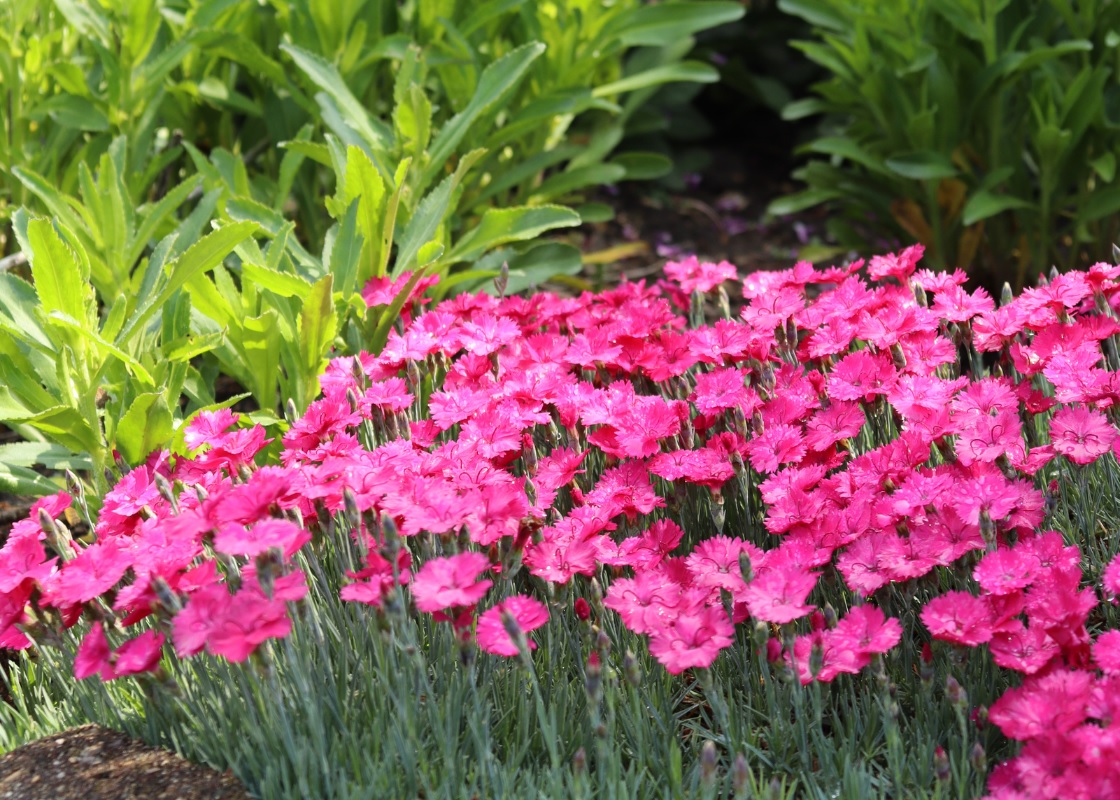
Dianthus in the Northeast: A Timeless Perennial for Color, Fragrance, and Reliability
Dianthus has long been a favorite in Northeastern gardens, and for good reason. With its compact habit, cheerful blooms, and spicy-sweet fragrance, this classic plant bridges the gap between old-fashioned cottage gardens and modern, low-maintenance landscapes. Whether used as a border plant, a mass planting, or a colorful accent in rock gardens and walkways, Dianthus performs beautifully across much of the Northeast—from coastal Long Island to upstate New York, New England, and beyond.
In this in-depth guide, we’ll explore everything homeowners and landscape designers need to know about growing Dianthus in the Northeast: climate suitability, soil requirements, best varieties, maintenance tips, landscape uses, and why this plant remains one of the most dependable flowering perennials in our region.
Understanding Dianthus: What Makes It Special?
Dianthus is a large genus of flowering plants that includes perennials, biennials, and annuals. In landscape design, most people refer to perennial Dianthus—often called “pinks”—which are prized for their finely textured, blue-green foliage and profuse blooms.
What truly sets Dianthus apart is its fragrance. Many varieties emit a clove-like or spicy scent that becomes especially noticeable in warm, sunny weather. This makes Dianthus an excellent choice near walkways, patios, and seating areas where people can enjoy both the visual impact and the aroma.
Key characteristics of Dianthus include:
- Compact, mounding or low-growing form
- Narrow, grass-like foliage that stays attractive even when not in bloom
- Blooms in shades of pink, red, white, lavender, and bi-color
- Excellent cold tolerance for Northeastern winters
Why Dianthus Thrives in the Northeast
The Northeast’s climate—with its cold winters, moderate rainfall, and warm (but not extreme) summers—aligns perfectly with Dianthus’ natural preferences.
Cold Hardiness
Most perennial Dianthus varieties are hardy in USDA Zones 3 through 8, making them well-suited for the entire Northeast. They tolerate freezing winters, snow cover, and fluctuating spring temperatures better than many other flowering perennials.
Moderate Summer Performance
Unlike some perennials that struggle in summer humidity, Dianthus handles Northeastern summers well—especially when planted in well-drained soil and full sun. Good air circulation is key, but when properly sited, Dianthus remains tidy and floriferous.
Adaptability to Soil Conditions
While Dianthus prefers well-drained soil, it is surprisingly adaptable. From sandy coastal soils to loamy inland gardens, it performs reliably as long as standing water is avoided.
Ideal Growing Conditions for Dianthus
To get the most out of Dianthus in the Northeast, a few basic growing requirements should be met.
Sunlight
Dianthus performs best in full sun—at least 6 hours per day. In hotter inland areas, light afternoon shade can be beneficial, but too much shade will reduce flowering and cause plants to become leggy.
Soil
Drainage is the single most important factor for success. Dianthus dislikes wet feet, especially in winter.
Ideal soil conditions include:
- Well-drained soil (sandy or loamy is best)
- Neutral to slightly alkaline pH
- Amended with compost if soil is heavy clay
Raised beds, slopes, and areas along walkways are often perfect spots.
Watering
Once established, Dianthus is relatively drought tolerant. In the Northeast, natural rainfall is often sufficient, with supplemental watering only needed during extended dry periods.
Popular Dianthus Varieties for Northeastern Gardens
Choosing the right variety ensures long-term success and visual impact. Here are some favorites that perform exceptionally well in the Northeast.
Dianthus ‘Firewitch’
A standout variety with vivid magenta-pink blooms and intense fragrance. It forms a low, dense mat and is excellent for edging and rock gardens.
Dianthus ‘Bath’s Pink’
A classic heirloom variety known for its soft pink flowers and strong clove scent. It blooms heavily in late spring and often reblooms lightly in summer.
Dianthus ‘Neon Star’
Features vibrant, hot-pink blooms with a darker center. This variety offers extended bloom time and a slightly more upright habit.
Dianthus ‘Tiny Rubies’
Compact and rich in color, this variety is ideal for small gardens, containers, and tight border spaces.
Dianthus ‘Arctic Fire’
White petals with a striking red eye give this variety a crisp, clean look that pairs well with modern landscape designs.
Bloom Time and Seasonal Interest
In the Northeast, Dianthus typically blooms from late spring through early summer. With proper deadheading, many varieties will rebloom sporadically into late summer and early fall.
Even when not in bloom, the foliage remains attractive. Its blue-green color provides texture and contrast against darker green shrubs and perennials, helping gardens look polished throughout the growing season.
Landscape Uses for Dianthus
Dianthus is incredibly versatile in landscape design, making it a favorite for both homeowners and professional designers.
Border and Edging Plant
Its compact size and tidy growth habit make Dianthus ideal for edging walkways, patios, and garden beds. It creates a clean, finished look without frequent trimming.
Groundcover
Low-growing varieties can be mass-planted as a flowering groundcover, particularly on slopes or sunny areas where turf struggles.
Rock and Gravel Gardens
Dianthus thrives in rocky, well-drained conditions, making it perfect for alpine gardens and decorative gravel landscapes.
Container Planting
Because of its drought tolerance and compact form, Dianthus works well in containers, especially when paired with ornamental grasses or trailing plants.
Pollinator Gardens
Dianthus attracts bees and butterflies, contributing to a healthy garden ecosystem without drawing excessive pests.
Maintenance and Care in the Northeast
One of the biggest advantages of Dianthus is its low-maintenance nature.
Deadheading
Removing spent blooms encourages reblooming and keeps plants looking neat. This is especially helpful in early summer.
Pruning
After the main bloom period, light shearing can refresh foliage and stimulate new growth.
Fertilizing
Dianthus does not require heavy feeding. A light application of balanced fertilizer in spring is usually sufficient.
Winter Care
In most Northeastern areas, Dianthus requires minimal winter protection. Good drainage is more important than mulch. In very cold regions, a light mulch can help protect roots from freeze-thaw cycles.
Common Problems and How to Avoid Them
Dianthus is generally trouble-free, but a few issues can arise.
Root Rot
Caused by poorly drained soil or excessive watering. Always prioritize drainage.
Fungal Diseases
High humidity and poor air circulation can lead to leaf spots or mildew. Proper spacing and full sun minimize these issues.
Short Lifespan
Some Dianthus varieties are short-lived perennials. Dividing plants every few years or allowing them to self-seed helps maintain full plantings.
Dianthus in Coastal Northeastern Landscapes
In coastal regions like Long Island and parts of New England, Dianthus performs especially well. Its tolerance for sandy soils, salt-tinged air, and wind makes it a strong candidate for seaside gardens. While not fully salt-tolerant, it handles coastal conditions better than many flowering perennials when planted slightly inland from direct salt spray.
Designing with Dianthus: Color and Companion Plants
Dianthus pairs beautifully with other sun-loving perennials commonly used in Northeastern landscapes, such as:
- Lavender
- Salvia
- Catmint
- Ornamental grasses
- Yarrow
The fine texture of Dianthus foliage contrasts nicely with broader-leaf plants, creating layered, visually interesting plantings.
Why Dianthus Remains a Landscape Favorite
Despite changing trends in landscape design, Dianthus continues to earn its place in Northeastern gardens. Its blend of durability, fragrance, and timeless beauty makes it a reliable choice for both traditional and contemporary landscapes.
For homeowners, it offers color without constant maintenance. For designers, it provides a dependable building block that works in everything from formal borders to naturalistic plantings.
Final Thoughts: A Small Plant with Big Impact
Dianthus may be modest in size, but its contribution to Northeastern landscapes is anything but small. With proper placement, good drainage, and a little seasonal care, this classic perennial delivers years of color, fragrance, and structure.
Whether you’re refreshing an existing garden or designing a new landscape from scratch, Dianthus deserves serious consideration. In the Northeast, it’s not just a flower—it’s a proven performer that brings lasting charm to outdoor spaces year after year.