
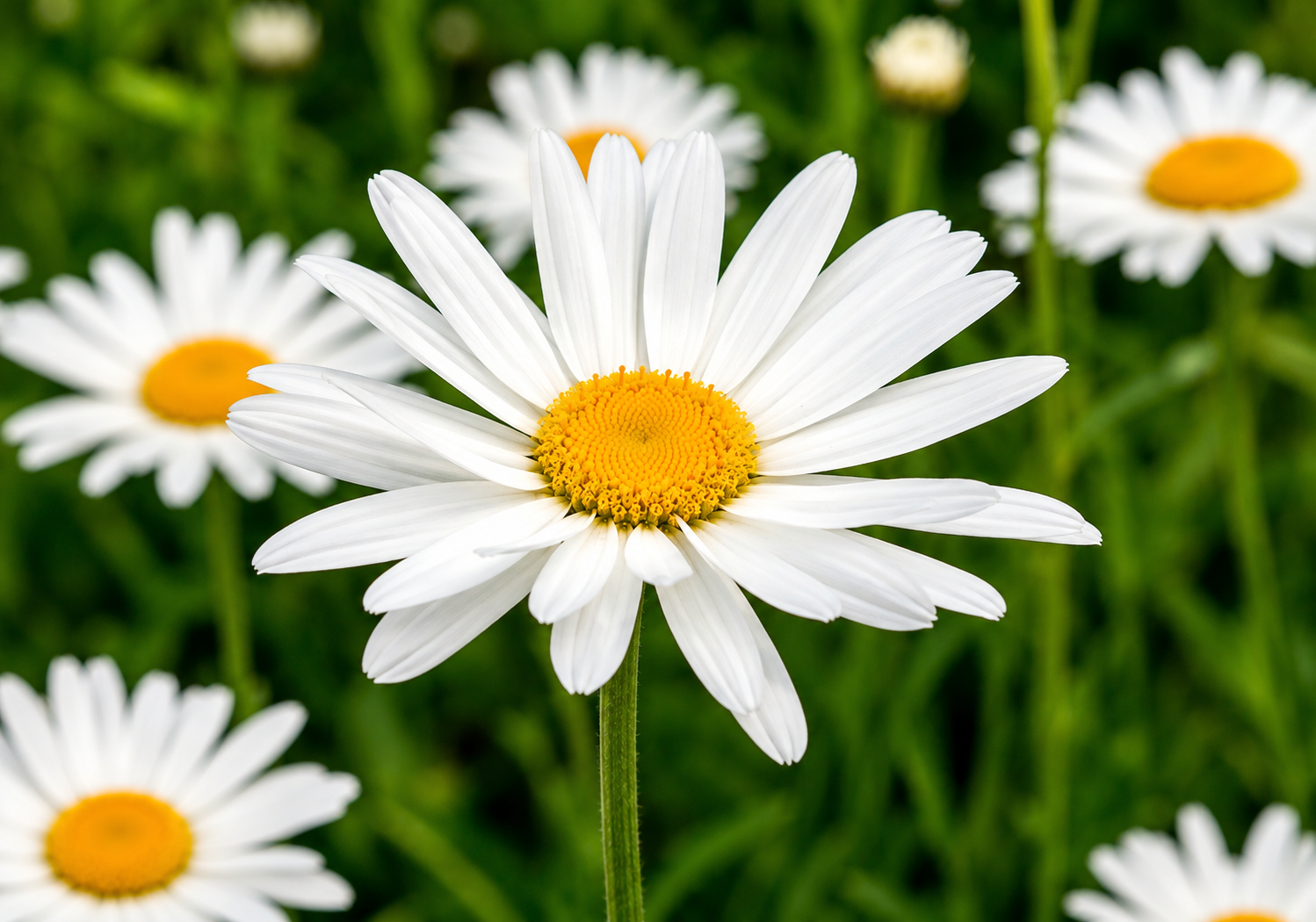
Daisy ‘Becky’ in the Northeast: A Bright, Reliable Perennial for Four-Season Landscapes
When homeowners and landscape designers across the Northeast look for a dependable, long-blooming perennial that delivers classic beauty with minimal fuss, Daisy ‘Becky’ consistently rises to the top of the list. Known botanically as Leucanthemum × superbum ‘Becky’, this Shasta daisy cultivar has earned its reputation for strong stems, oversized white flowers, and exceptional cold hardiness, making it a staple in residential landscapes from Long Island and coastal New England to upstate New York and Pennsylvania.
This article takes a deep dive into everything you need to know about Becky daisy in Northeastern conditions—from climate performance and design uses to maintenance, companion planting, and why it continues to outperform many other daisy varieties.
Why ‘Becky’ Daisy Thrives in the Northeast
The Northeast presents a unique mix of challenges for perennials:
- Cold winters with freeze–thaw cycles
- Humid summers
- Variable spring rainfall
- Coastal salt exposure in some regions
‘Becky’ daisy handles these conditions exceptionally well.
Cold Hardiness and Seasonal Resilience
Becky daisy is hardy in USDA Zones 4–9, making it perfectly suited for Northeastern winters. Unlike more delicate daisy varieties, it reliably returns each spring without winter dieback when planted in well-drained soil.
Upright Growth That Stays Neat:
One of the standout characteristics of ‘Becky’ is its sturdy, upright habit. Many older Shasta daisies flop open after rainstorms or heavy blooms—Becky was bred specifically to resist this issue. In Northeast summers where thunderstorms are common, this trait alone makes it invaluable.
Visual Impact: Classic Beauty with Modern Performance:
Becky daisy offers a timeless look that fits nearly any landscape style.
Flower Characteristics:
- Large white petals with clean, crisp edges
- Bright golden-yellow centers that attract pollinators
- Blooms average 3–4 inches wide, noticeably larger than many other daisies
Bloom Season in the Northeast:
In Northeastern climates, Becky daisy typically:
- Begins blooming late June
- Peaks through July and August
- Continues into early September with deadheading
This extended bloom window makes it especially valuable for landscapes that need mid- to late-summer color, when spring perennials have faded.
Ideal Growing Conditions
Sunlight
Becky daisy performs best in full sun, defined as:
- 6–8+ hours of direct sunlight daily
While it can tolerate light afternoon shade, too much shade leads to:
- Reduced flowering
- Weaker stems
- Looser growth habit
For Northeast properties, south- or west-facing beds are ideal.
Soil Requirements:
Well-drained soil is critical. Becky daisy does not tolerate standing water, especially in winter.
Best soil conditions include:
- Loamy or sandy loam soil
- Neutral to slightly acidic pH
- Amended clay soils with compost or sand
In areas like Long Island or coastal Connecticut, natural sandy soils are often perfect with minimal modification.
Watering and Maintenance Needs
Watering:
Once established, Becky daisy is moderately drought tolerant, a major plus for summer landscapes.
- First growing season: Regular watering to establish roots
- After establishment: Water during prolonged dry periods only
Overwatering is a bigger risk than underwatering in most North-eastern gardens.
Fertilization:
Becky daisy does not require heavy feeding.
Recommended approach:
- Compost incorporated at planting
- Optional light balanced fertilizer in early spring
- Avoid high-nitrogen fertilizers, which promote leaf growth over blooms
Pruning, Deadheading, and Longevity
Deadheading for Extended Bloom:
Removing spent flowers:
- Encourages continuous blooming
- Prevents energy loss to seed production
- Keeps plants looking clean and intentional
Deadheading once a week during peak bloom can significantly extend flowering into early fall.
Fall and Spring Care:
- Fall: Leave stems standing for winter interest and wildlife habitat
- Spring: Cut back old growth to ground level once new growth emerges
Plant Lifespan
Becky daisy is considered a short- to medium-lived perennial, typically thriving for 3–5 years. Dividing clumps every few years helps:
- Rejuvenate plants
- Improve flowering
- Prevent overcrowding
Design Uses in North-Eastern Landscapes
Becky daisy is extremely versatile and works across many landscape styles.
Perennial Borders
Its upright habit and uniform height (typically 3–4 feet tall) make it perfect for:
- Middle or back of perennial borders
- Layered planting designs
- Repeating patterns along walkways
Cottage and Traditional Gardens
Few plants say “classic garden” like a Shasta daisy. Becky fits beautifully into:
- Cottage gardens
- Farmhouse landscapes
- Traditional Northeast homes
Modern and Minimalist Landscapes
Used in mass plantings, Becky daisy becomes bold and architectural. Clean white flowers against dark mulch or stone hardscapes feel surprisingly modern.
Companion Plants That Pair Well with Becky Daisy
To maximize visual impact and seasonal interest, Becky daisy pairs beautifully with many Northeast-friendly perennials:
- Ornamental grasses (for movement and contrast)
- Salvia (deep purple or blue tones)
- Russian sage (soft texture and extended bloom)
- Coreopsis (yellow tones that echo daisy centers)
- Echinacea (adds color variation and pollinator appeal)
These combinations ensure color and texture from spring through fall.
Pollinator and Wildlife Benefits
Becky daisy plays a meaningful role in pollinator-friendly landscapes, which are increasingly important across the Northeast.
Pollinator Attraction
- Bees
- Butterflies
- Beneficial insects
The open flower form makes nectar and pollen easily accessible, especially during midsummer when other nectar sources may be limited.
Deer and Rabbit Resistance
While no plant is completely deer-proof, Becky daisy is:
- Moderately deer resistant
- Less appealing than many soft-leaf perennials
In high-pressure areas, pairing with deterrent plants or protective strategies is still recommended.
Becky Daisy in Coastal Northeast Landscapes
One reason Becky daisy is popular on Long Island and coastal New England is its tolerance of challenging conditions.
- Handles wind better than many flowering perennials
- Tolerates light salt exposure when not directly sprayed
- Performs well in sandy, fast-draining soils
This makes it a reliable choice for properties near bays, harbors, and shorelines.
Common Problems and How to Avoid Them
Although Becky daisy is low-maintenance, a few issues can arise if conditions aren’t ideal.
Root Rot
Caused by:
- Poor drainage
- Overwatering
- Heavy clay soils
Solution:
- Improve drainage
- Raise planting beds
- Avoid wet winter conditions
Powdery Mildew
Can occur in humid summers with poor airflow.
Prevention:
- Space plants properly
- Plant in full sun
- Water at soil level, not overhead
Why Becky Daisy Remains a Northeast Favorite
In a region where landscapes must endure cold winters, humid summers, and unpredictable weather, Becky daisy consistently proves itself.
Homeowners and designers love it because it:
- Comes back reliably every year
- Blooms generously when many plants fade
- Requires minimal maintenance
- Fits traditional, modern, and coastal designs
It’s a plant that looks intentional without being fussy, which is exactly what many Northeast landscapes need.
Final Thoughts: Is Becky Daisy Right for Your Landscape?
If you’re looking for a bright, classic perennial that thrives in Northeastern conditions, Becky daisy is hard to beat. Its combination of strong stems, long bloom time, pollinator value, and adaptability makes it one of the most dependable flowering perennials available.
Whether planted in sweeping borders, mixed perennial beds, or clean modern groupings, Daisy ‘Becky’ delivers consistent beauty season after season—a true workhorse with timeless charm for Northeast landscapes.