
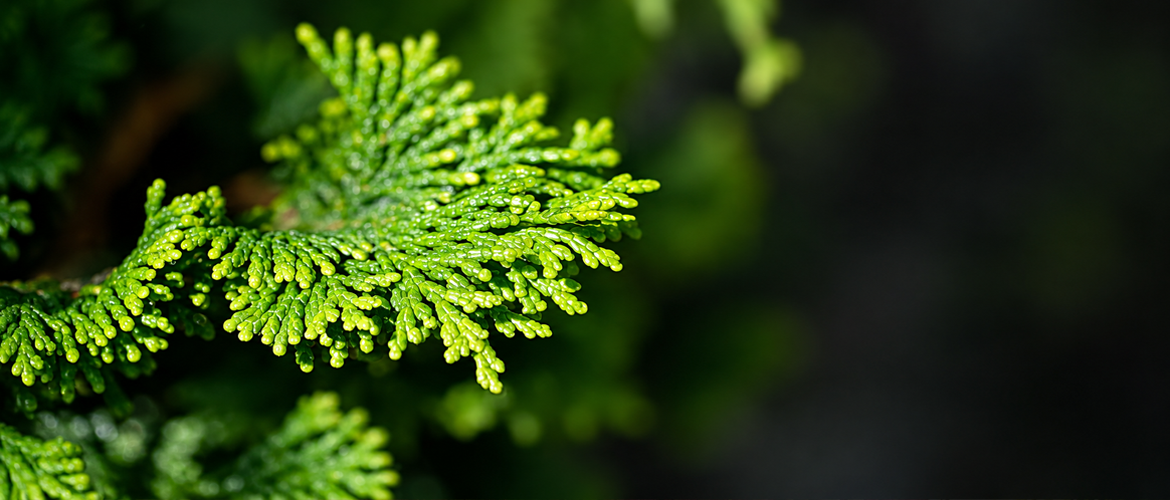
Cypress Varieties for Northeast Landscapes
Cypress varieties offer year-round structure, privacy, wind buffering, and refined evergreen texture for Northeast landscapes. At Louis Contino Landscaping Inc., we select suitable varieties for Long Island properties based on growing conditions, mature size, and design goals. Options range from compact golden mounds to tall evergreen screens and architectural focal points.
1. Hinoki Cypress (Chamaecyparis obtusa)
Hinoki Cypress features layered, fan-like foliage and a naturally sculptural form. It complements bluestone patios, modern masonry, courtyards, and Japanese-inspired gardens.
Popular varieties:
‘Nana Gracilis’: A dense, slow-growing dwarf with a rounded, irregular shape.
‘Nana’: A smaller, compact selection.
‘Crippsii’: An upright variety with bright golden foliage tips.
‘Filicoides’ and ‘Fernspray’: Finer-textured varieties for softer landscape designs.
Hinoki generally prefers full sun to partial sun and well-drained soil. Avoid excessively shady locations and exposed, windy corners. Allow adequate space for mature growth.
2. Sawara False Cypress (Chamaecyparis pisifera)
Sawara False Cypress provides versatile foliage textures and colors, making it valuable for layered planting designs, patio borders, and evergreen massing.
Popular varieties:
‘Golden Mop’: Bright chartreuse-gold foliage with a rounded, slightly shaggy appearance.
‘Filifera Aurea’: Larger golden threadleaf foliage with graceful, string-like growth.
‘Boulevard’: Dense, soft-looking blue-gray foliage.
‘Filifera’: Medium-green foliage that forms graceful, broad mounds.
Weeping forms: Cascading foliage for distinctive specimen plantings.
Gold varieties need sufficient sunlight to maintain vibrant color. Proper drainage and mature-width spacing are essential for healthy growth.
3. Atlantic White Cedar (Chamaecyparis thyoides)
Atlantic White Cedar is native to the eastern United States and offers fine-textured foliage for naturalistic and coastal-inspired landscapes. It works well for woodland edges, screening, and selected narrow evergreen accents.
Popular varieties:
‘Red Star’: Known for bronzy-reddish winter coloration.
‘Top Point’: An upright, narrow selection for restricted spaces.
‘Blue Sport’ types: Varieties with blue-gray foliage.
Although this species tolerates more moisture than many evergreens, its roots still require oxygen. Good drainage, thoughtful placement, and proper establishment are important, particularly in compacted soils.
4. Leyland Cypress and Screening Hybrids
Leyland Cypress (× Cuprocyparis leylandii) is known for rapid growth and privacy screening. It may suit large properties with adequate space and airflow, but exposed Northeast sites present challenges.
Winter injury, disease, and stress can become problems when plants are poorly positioned or crowded. Long-term size management also requires planning. Louis Contino Landscaping evaluates maintenance requirements and winter performance before recommending fast-growing screening plants.
5. Italian Cypress (Cupressus sempervirens)
Italian Cypress is recognized for its tall, narrow, Mediterranean appearance. However, it is generally unreliable in colder Northeast winters, especially in exposed Long Island locations.
For a similar architectural effect, consider narrow arborvitae, upright junipers, or selected upright false cypress cultivars that are better suited to local conditions.
6. Cypress in Landscape Design
Cypress varieties create attractive year-round compositions through layered planting and contrasting textures.
Modern evergreen layers: Combine taller screening plants with upright Hinoki or false cypress, then add golden or blue Sawara varieties in front.
Stone and masonry: Threadleaf false cypress softens the hard edges of bluestone patios, retaining walls, and brick facades.
Four-season color: Golden foliage varieties brighten evergreen borders without requiring flowering plants or deadheading.
7. Planting and Care Tips
Site selection: Choose locations with suitable drainage, sunlight, and protection from harsh winter winds. Golden varieties need adequate sun to retain their color.
Planting depth: Keep the root flare at the correct height and avoid piling mulch against the trunk.
Watering: Provide consistent watering during the first one to two growing seasons. Compacted soil, reflected heat, and wind exposure can contribute to establishment problems.
Pruning: Use light shaping, remove stray shoots, and preserve the plant's natural form. Heavy pruning may damage varieties that do not regenerate readily from old wood.
8. Common Problems
Winter burn: Reduce exposure to harsh winds, maintain adequate soil moisture before winter, and avoid stressing plants during establishment.
Root rot and decline: Improve drainage, correct grading, and select plants suited to site conditions.
Overcrowding: Plan spacing around mature width rather than immediate appearance to reduce future pruning and airflow problems.
9. Choosing the Right Cypress
Architectural structure: Hinoki Cypress, particularly ‘Nana Gracilis’.
Golden foliage: Sawara False Cypress ‘Golden Mop’ or ‘Filifera Aurea’.
Blue-gray color: Sawara False Cypress ‘Boulevard’.
Native-inspired planting: Atlantic White Cedar.
Rapid screening: Leyland-type hybrids, where site conditions permit.
Conclusion
Cypress varieties provide versatile solutions for Long Island landscapes, from privacy screening to sculptural focal points and low-maintenance color. Selecting the right plant requires considering sunlight, drainage, wind exposure, deer pressure, and mature size.
Louis Contino Landscaping Inc. serves Oyster Bay and surrounding Long Island communities with landscape design-build services, planting plans, privacy screening, and high-end outdoor upgrades. We help homeowners choose evergreen varieties suited to their property's conditions and design goals.