
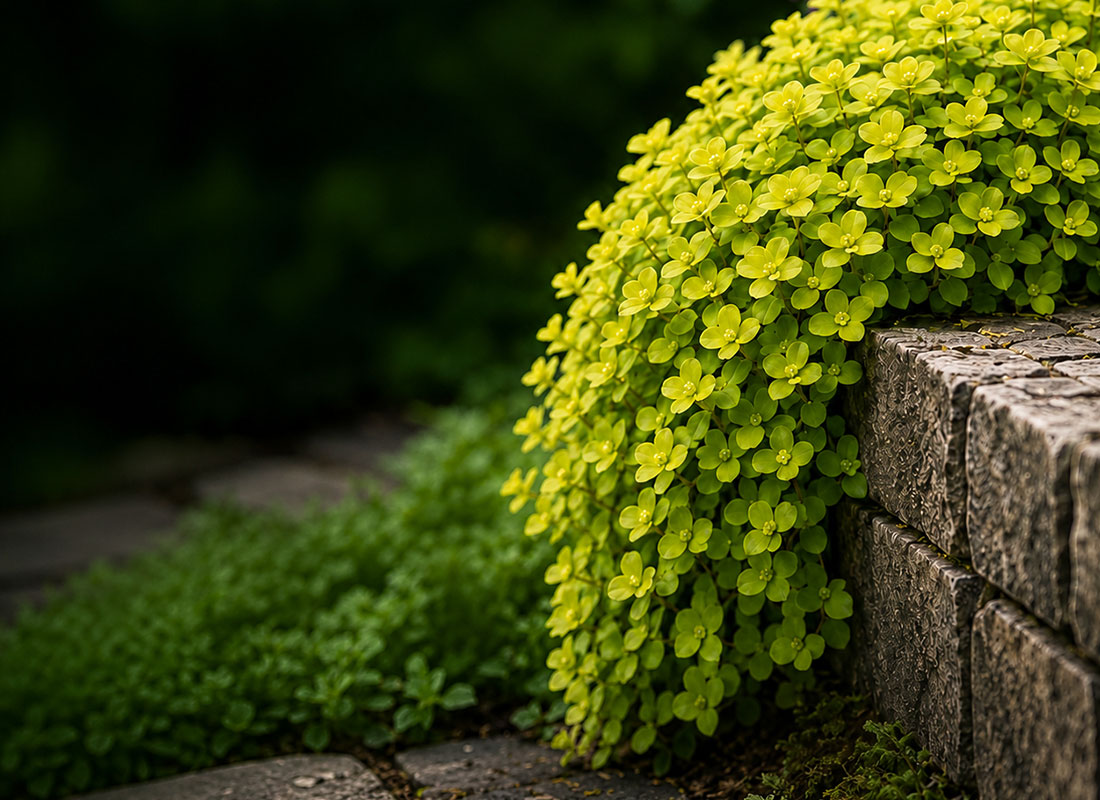
Creeping Jenny (Lysimachia nummularia)
Creeping Jenny, botanically known as Lysimachia nummularia, is one of the most visually striking and versatile groundcover plants available to gardeners. With its trailing stems, rounded coin-shaped leaves, and brilliant chartreuse or golden tones, it creates a cascading carpet of color that brightens garden beds, containers, hanging baskets, and even water features.
Whether you are designing a lush landscape, filling in bare patches of soil, or softening the edges of a pond, Creeping Jenny offers a fast-growing, low-maintenance solution. In this comprehensive guide, we will explore everything you need to know about this popular perennial—from planting and care to design uses and potential challenges.
What Is Creeping Jenny?
Creeping Jenny is a fast-spreading perennial groundcover native to Europe but widely cultivated across North America and other temperate regions. It belongs to the primrose family (Primulaceae) and is known for its trailing habit and bright foliage.
Its common names include:
- Creeping Jenny
- Moneywort
- Herb Twopence
- Creeping Charlie (though this name is also used for other plants)
The plant produces slender stems that root at nodes as they spread, allowing it to form dense mats over soil. In late spring and early summer, it produces small, cup-shaped yellow flowers that add seasonal charm to its already colorful foliage.
Appearance and Growth Habit
One of the most distinctive features of Creeping Jenny is its foliage. The leaves are:
- Rounded and coin-shaped
- Smooth-edged
- Arranged oppositely along trailing stems
- Typically bright green or golden yellow, depending on the cultivar
The most popular variety is ‘Aurea,’ prized for its electric golden leaves that glow in partial shade.
Growth Pattern
Creeping Jenny grows low to the ground, typically reaching only 2–4 inches in height, but it can spread 18 inches or more in a single growing season under ideal conditions. The stems creep horizontally and root wherever they touch moist soil, forming a thick mat.
This spreading habit makes it excellent for:
- Groundcover
- Erosion control
- Filling gaps between stepping stones
- Softening container edges
Ideal Growing Conditions
Creeping Jenny is adaptable, but it performs best when its preferred conditions are met.
Light Requirements
- Full sun to partial shade
- In hot climates, partial shade is ideal to prevent leaf scorch
- In cooler climates, full sun enhances the golden color
The more sunlight it receives (without scorching), the brighter the foliage becomes.
Soil Preferences
- Moist, well-draining soil
- Tolerates clay or loamy soils
- Thrives in consistently damp conditions
It is especially well-suited for rain gardens and pond edges due to its tolerance for wet soil.
Watering Needs
Creeping Jenny prefers consistently moist soil. While it can tolerate short dry spells, extended drought will cause leaf browning and thinning.
If grown in containers, monitor moisture carefully—potted plants dry out more quickly than those in garden beds.
Planting Creeping Jenny
When to Plant
- Spring is ideal after the last frost
- Early fall planting also works in mild climates
How to Plant in Garden Beds
- Loosen the soil to improve drainage.
- Space plants 12–18 inches apart.
- Water thoroughly after planting.
- Apply mulch to retain moisture.
Within a few weeks, the plant will begin spreading.
Planting in Containers
Creeping Jenny is a favorite “spiller” plant in container arrangements. Pair it with upright thrillers and filler plants for a layered look. It cascades beautifully over pot edges and hanging baskets.
Ensure containers have proper drainage holes and use high-quality potting mix.
Seasonal Changes and Winter Care
Creeping Jenny behaves differently depending on your climate.
In Mild Climates
- May remain evergreen year-round
- Maintains foliage color during winter
In Colder Regions
- Foliage may die back after frost
- Returns vigorously in spring
To prepare for winter:
- Trim back damaged growth
- Apply mulch around roots for insulation
- Avoid overwatering during dormancy
Landscape Design Ideas
Creeping Jenny’s vibrant color and spreading nature make it highly versatile in landscape design.
1. Groundcover for Slopes
Its dense mat helps reduce erosion while providing bright color contrast against darker shrubs.
2. Between Stepping Stones
Planted between pavers, it creates a lush, cottage-garden feel.
3. Pond and Water Feature Edges
Because it tolerates damp soil, it works beautifully near ponds, waterfalls, and streams.
4. Container Arrangements
Combine it with:
- Purple petunias
- Ornamental grasses
- Caladiums
- Coleus
The bright foliage contrasts especially well with deep purple or burgundy plants.
5. Hanging Baskets
Its trailing stems can extend 2 feet or more, creating dramatic cascading effects.
Is Creeping Jenny Invasive?
One of the most common concerns about Creeping Jenny is its spreading habit.
In some regions, particularly parts of North America, it is considered invasive because it spreads aggressively and can outcompete native vegetation.
Before planting, check:
- Local extension office recommendations
- State invasive plant lists
- Regional gardening guidelines
How to Control Spread
If you choose to plant it:
- Install edging barriers
- Grow it in containers
- Trim regularly
- Remove unwanted runners
Proper management keeps it attractive without becoming problematic.
Propagation Methods
Creeping Jenny is extremely easy to propagate.
1. Division
- Lift established clumps
- Separate rooted sections
- Replant immediately
2. Stem Cuttings
- Snip 4–6 inch stem sections
- Place in water or moist soil
- Roots form quickly
Because it roots at nodes, even small pieces can establish new plants.
Common Problems
Creeping Jenny is generally low-maintenance but can experience occasional issues.
Leaf Scorch
- Caused by intense afternoon sun
- Solution: Move to partial shade
Root Rot
- Occurs in poorly draining soil
- Ensure adequate drainage
Pests
Rarely troubled by insects, though occasional aphids may appear. A strong spray of water typically resolves infestations.
Benefits of Growing Creeping Jenny
- Fast-growing groundcover
- Low maintenance
- Excellent for erosion control
- Attractive year-round foliage (in mild climates)
- Works in containers and landscapes
- Pollinator-friendly yellow flowers
Its adaptability and vibrant appearance make it a favorite among both beginner and experienced gardeners.
Toxicity and Pet Safety
Creeping Jenny is generally considered non-toxic to humans and pets. However, as with any plant, ingestion in large quantities may cause mild digestive upset.
If you have pets that frequently chew on plants, it is always wise to monitor behavior and consult a veterinarian if concerns arise.
Comparing Green vs. Golden Varieties
There are both green-leaved and golden cultivars available.
Golden Creeping Jenny (‘Aurea’)
- Bright chartreuse foliage
- Best color in full sun
- Popular in containers
Green Creeping Jenny
- Deeper green leaves
- Often more vigorous
- Blends naturally in woodland settings
Your choice depends on whether you want bold contrast or subtle texture.
Maintenance Tips for Best Results
To keep Creeping Jenny looking its best:
- Trim back overgrown sections mid-season
- Remove browned or damaged stems
- Fertilize lightly in spring
- Maintain consistent soil moisture
Avoid heavy fertilization, which may reduce foliage color intensity.
Frequently Asked Questions
How fast does Creeping Jenny spread?
Under optimal conditions, it can spread up to 2 feet in a single season.
Can it grow indoors?
Yes, it can grow in bright indoor light, especially in hanging baskets. However, it prefers outdoor conditions.
Does it attract pollinators?
The small yellow flowers attract bees and other beneficial insects.
Can it tolerate foot traffic?
Light foot traffic is acceptable, but heavy walking will damage stems.
Why Gardeners Love Creeping Jenny
Creeping Jenny’s popularity comes from its balance of beauty and practicality. Few plants offer:
- Brilliant foliage color
- Rapid coverage
- Minimal care requirements
- Versatile planting options
It transitions easily between formal landscapes and cottage gardens, modern container designs and natural pond edges.
For gardeners seeking a vibrant, spreading plant that fills space quickly and delivers consistent color, Creeping Jenny is an excellent choice.
Final Thoughts
Creeping Jenny is a resilient, eye-catching groundcover that brings brightness and movement to gardens of all sizes. Whether cascading from containers, carpeting a shady bed, or framing a water feature, it adds texture and vivid color with minimal effort.
However, its vigorous growth requires thoughtful placement and occasional management. When used responsibly and maintained properly, it becomes one of the most rewarding and adaptable plants in the landscape.
If you are looking to transform empty soil into a flowing sea of gold or green, Creeping Jenny might be exactly what your garden needs.