
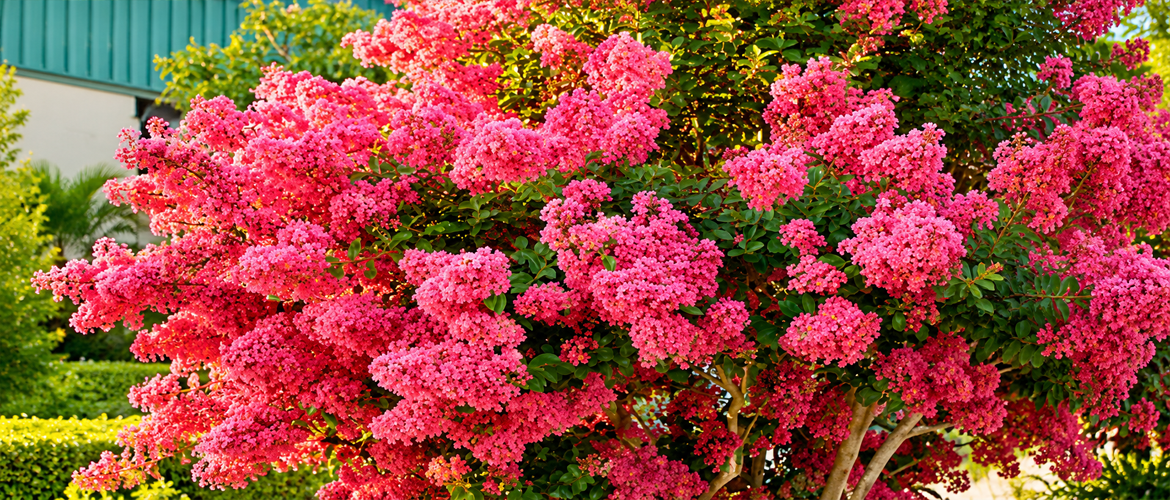
Crape Myrtle Varieties: The Best Choices for Color, Size, and Long-Season Bloom
Crape myrtles (also spelled crepe myrtles) are popular landscape plants known for their long-lasting summer flowers, attractive exfoliating bark, and colorful fall foliage. On Long Island, selecting the right variety, planting location, and cold-hardy cultivar is essential for long-term success.
Louis Contino Landscaping uses crape myrtles as statement plants near patios, pools, sunny foundation beds, and walkways, providing seasonal color and lasting landscape structure.
What Makes One Crape Myrtle Better Than Another?
Choosing the right crape myrtle depends on several factors:
Mature size: Dwarf varieties typically reach 2–4 feet, medium shrubs 5–10 feet, and small trees 12–25 feet or more. Matching the plant to available space reduces future pruning.
Flower color and bloom timing: Flowers generally appear in midsummer and can continue for weeks.
Bark and fall color: Many cultivars feature attractive cinnamon-colored bark and beautiful winter silhouettes.
Disease resistance and cold hardiness: Some hybrids offer improved resistance to powdery mildew, while cold-sensitive varieties may experience winter dieback in the Northeast.
Best Crape Myrtle Varieties by Size
1. Dwarf Crape Myrtles
Compact varieties such as ‘Pocomoke’, ‘Chickasaw’, and Petite series selections suit small gardens, sunny walkways, and foundation beds. Planting them in groups of three to seven creates a cohesive design.
Louis Contino Landscaping recommends allowing dwarf varieties to develop their natural rounded shape rather than aggressively pruning them into miniature trees.
2. Medium Shrub Forms
‘Tonto’ is a popular shrub-form cultivar known for vibrant summer flowers. It works well near patios, sunny foundation corners, and mixed shrub borders. Pair it with hydrangeas, ornamental grasses, catmint, and salvia for contrasting textures.
‘Zuni’ offers attractive flower clusters and ornamental bark, making it suitable for mixed borders and focal points. Evergreen plants such as holly, yew, and inkberry provide structure when the crape myrtle loses its leaves.
3. Tree-Form Crape Myrtles
‘Natchez’ is a well-known tree-form variety featuring white flowers and attractive multi-trunk growth. It works beautifully near patios, pools, and front yards.
‘Muskogee’, ‘Tuscarora’, and ‘Catawba’ are other recognized cultivars valued for their ornamental qualities. These varieties suit larger properties and can be underplanted with nepeta, allium, and sedum.
Choosing by Flower Color
White crape myrtles complement traditional homes, modern black-and-white exteriors, and coastal-inspired landscapes. ‘Natchez’ is a popular example.
Pink varieties bring a soft, summery appearance to poolside gardens, cottage landscapes, and mixed borders with hydrangeas and roses.
Red varieties create bold contrast against white siding, gray shingles, and dark fences. Lavender and purple varieties pair well with ornamental grasses, silvery foliage, and white-flowering shrubs.
Northeast Planting and Care Tips
Full sunlight: Crape myrtles need plenty of sunlight for strong flowering and healthy growth.
Airflow and disease resistance: Avoid cramped planting locations. Many Lagerstroemia indica × fauriei hybrids offer improved resistance to powdery mildew.
Proper pruning: Avoid severe topping, sometimes called “crape murder.” Selective pruning to remove deadwood and crossing branches helps maintain natural form.
Winter protection: Choose sheltered locations, use a 2–3-inch mulch ring without piling mulch against the trunk, and avoid late-season fertilization that encourages tender growth.
Microclimate considerations: Wind exposure, salt spray, soil drainage, and proximity to heated structures can influence winter performance, even between nearby Long Island properties.
Where Crape Myrtles Look Best
Louis Contino Landscaping commonly uses crape myrtles in four settings:
Pool and patio borders: Multi-trunk trees add flowers, shade, and a resort-like atmosphere.
Front-yard focal points: A specimen tree with complementary underplanting enhances curb appeal.
Sunny foundation corners: Medium shrubs soften architectural lines and introduce summer color.
Walkway focal points: Strategically placed trees naturally draw attention through the landscape.
Seasonal Maintenance
Spring: Remove deadwood and lightly thin crossing branches.
Summer: Enjoy flowering and water during drought, particularly during the first one or two growing seasons.
Fall: Avoid late fertilization and allow plants to prepare for winter.
Winter: Prune in late winter when necessary, avoiding severe topping.
Choosing the Right Crape Myrtle for Your Property
For a small tree, consider ‘Natchez’ and other established tree forms. For medium-sized planting beds, explore ‘Tonto’ and similar shrub varieties. For compact spaces, choose dwarf cultivars and plant them in groups.
Louis Contino Landscaping can help Long Island homeowners select suitable crape myrtle varieties, identify favorable planting locations, and design complementary landscape beds. Call 631-351-5409 to schedule a free home estimate.