
Coreopsis in the Northeast: A Bright, Low-Maintenance Perennial for Long-Lasting Color
Coreopsis—commonly known as tickseed—is one of the most dependable, cheerful perennials you can plant in the Northeastern United States. With its daisy-like flowers, long bloom season, and impressive tolerance for tough conditions, coreopsis has become a staple in residential landscapes, commercial properties, and naturalized gardens throughout New York, New Jersey, Connecticut, Massachusetts, and beyond.
For homeowners and landscape professionals alike, coreopsis checks nearly every box: vibrant color, minimal maintenance, pollinator support, drought tolerance, and adaptability to Northeast soils and weather. Whether you’re designing a formal garden border, a meadow-style planting, or a modern low-input landscape, coreopsis delivers consistent results year after year.
This guide explores everything you need to know about growing and using coreopsis in the Northeast—from climate performance and soil preferences to design ideas, maintenance tips, and the best varieties for our region.
Why Coreopsis Thrives in the Northeastern Climate
The Northeast presents unique challenges for plants: cold winters, fluctuating spring temperatures, humid summers, and unpredictable rainfall. Coreopsis thrives here because it evolved to handle similar conditions.
Cold Hardiness:
Most perennial coreopsis varieties are hardy from USDA Zones 4–9, making them well-suited for nearly the entire Northeast. They survive freezing winters with minimal protection and reliably return each spring.
Heat and Humidity Tolerance:
While many flowering perennials struggle in humid summers, coreopsis holds its form and color even during hot spells. Its airy foliage allows for good air circulation, reducing disease issues common in muggy conditions.
Drought Resistance:
Once established, coreopsis has excellent drought tolerance. This is especially valuable in sandy coastal soils, sloped properties, or landscapes where irrigation is limited.
Visual Appeal and Seasonal Interest
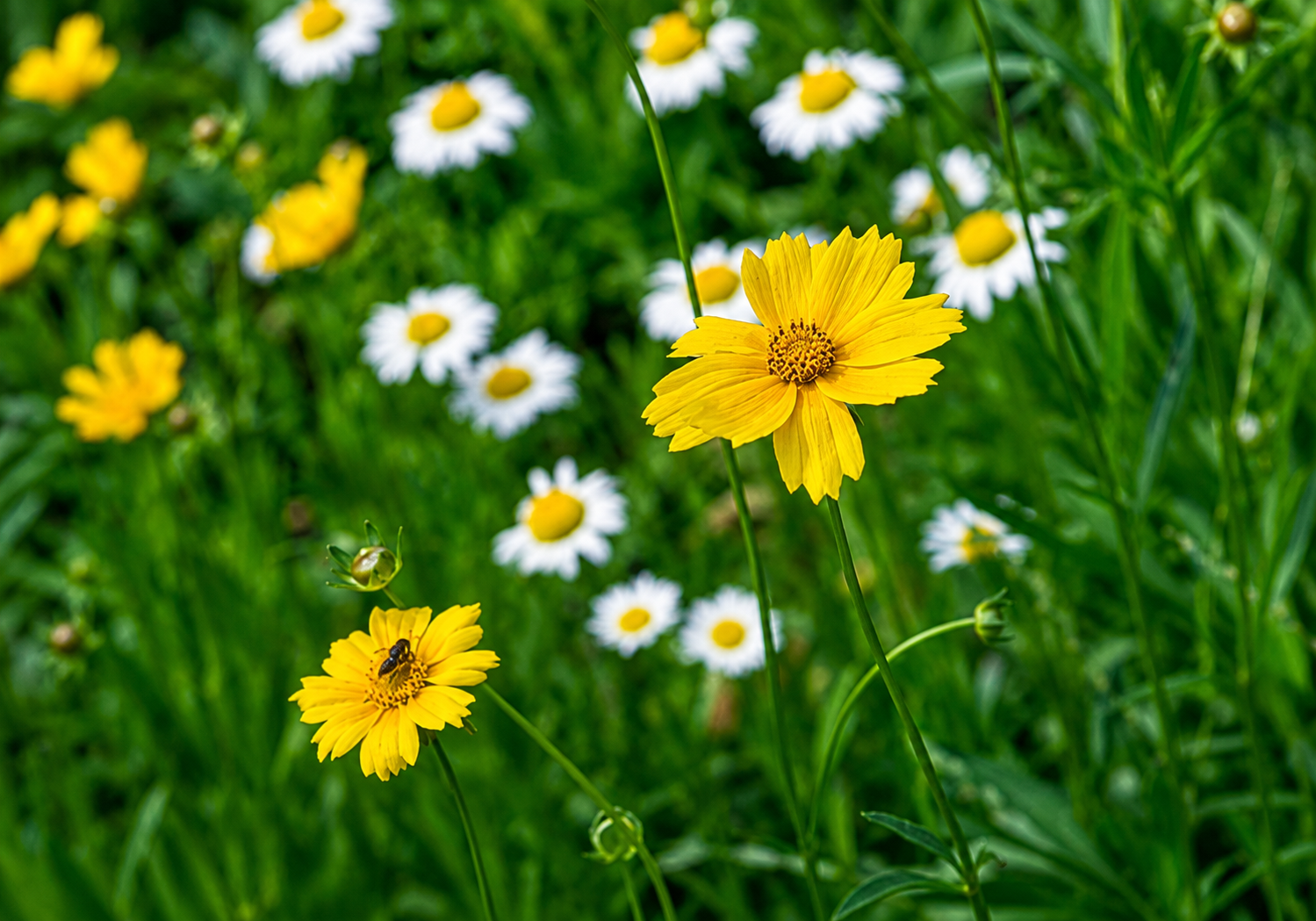
Coreopsis is best known for its bright, sunny blooms—most commonly yellow, but also available in shades of gold, red, orange, pink, and bicolor varieties.
Bloom Time:
One of coreopsis’ greatest strengths is its extended bloom period. Many varieties begin flowering in late spring and continue through summer, with some lasting into early fall if deadheaded regularly.
Flower Form:
The flowers resemble daisies, with simple petals surrounding a central disc. This classic form works beautifully in both traditional and contemporary landscapes.
Foliage Texture:
Depending on the variety, foliage can be fine and thread-like or broader and lance-shaped. This range of textures makes coreopsis useful for contrast when paired with ornamental grasses, shrubs, or bold-leaf perennials.
Popular Coreopsis Varieties for the Northeast
Not all coreopsis are created equal. Some varieties perform exceptionally well in Northeastern landscapes due to their cold hardiness and disease resistance.
Coreopsis verticillata (Threadleaf Coreopsis):
A favorite for Northeast gardens, this variety features delicate, fern-like foliage and masses of small yellow flowers. It has a soft, airy look and works beautifully in borders and mass plantings.
Coreopsis lanceolata (Lanceleaf Coreopsis):
Known for its bright yellow blooms and sturdy growth habit, this native species is ideal for naturalized areas, roadside plantings, and pollinator gardens.
Coreopsis grandiflora:
This variety offers larger flowers and a bold visual impact. While sometimes shorter-lived, it provides outstanding color when used in mixed perennial beds.
Hybrid Coreopsis:
Modern hybrids expand the color palette, introducing reds, pinks, and bi-color blooms. Many newer cultivars are bred for improved longevity and disease resistance, making them suitable for long-term landscape use.
Soil and Site Requirements
One of the reasons coreopsis is so widely used is its adaptability to different soil types and conditions.
Sun Exposure:
Coreopsis performs best in full sun, requiring at least six hours of direct sunlight per day. In partial shade, plants may grow taller and produce fewer flowers.
Soil Preferences:
- Well-drained soil is essential
- Tolerates sandy, rocky, and average garden soils
- Performs poorly in heavy, waterlogged clay
In many Northeastern landscapes—especially on Long Island and coastal New England—sandy soils are common, making coreopsis an ideal choice.
Soil Fertility:
Coreopsis prefers moderately fertile to lean soil. Overly rich soil can cause excessive foliage growth at the expense of flowers.
Watering and Maintenance
Coreopsis is a true low-maintenance perennial, making it perfect for homeowners who want color without constant upkeep.
Watering:
- Water regularly during the first growing season to establish roots
- Once established, water only during extended dry periods
Deadheading:
Removing spent flowers encourages continued blooming and keeps the plant looking tidy. While not strictly necessary, deadheading significantly extends the flowering season.
Cutting Back:
In late fall or early spring, cut plants back to a few inches above ground. This helps promote healthy new growth.
Fertilization:
In most Northeast gardens, coreopsis does not require fertilization. If growth seems weak, a light application of compost in spring is sufficient.
Pollinator and Wildlife Benefits
Coreopsis is more than just a pretty plant—it plays an important role in supporting local ecosystems.
Pollinators:
Bees, butterflies, and other beneficial insects are drawn to coreopsis’ open flower structure and abundant pollen. It’s an excellent choice for pollinator gardens and eco-friendly landscapes.
Deer Resistance:
While no plant is completely deer-proof, coreopsis is considered moderately deer-resistant, making it a smart option in areas with browsing pressure.
Landscape Design Uses
Coreopsis is one of the most versatile perennials available for Northeast landscapes.
Perennial Borders:
Use coreopsis along walkways, fences, and foundation plantings for continuous summer color.
Mass Plantings:
Planting coreopsis in drifts creates a bold visual statement and works especially well on large properties or commercial sites.
Meadow and Naturalized Gardens:
Native and lanceleaf varieties blend seamlessly into meadow-style landscapes and erosion-control plantings.
Coastal Landscapes:
With excellent salt tolerance and drought resistance, coreopsis is ideal for coastal Northeast properties.
Mixed Plantings:
Pair coreopsis with ornamental grasses, coneflowers, black-eyed Susans, salvias, and catmint for layered texture and color.
Coreopsis in Sustainable Landscaping
As sustainable and low-input landscapes become more popular across the Northeast, coreopsis continues to gain favor.
Water Conservation:
Its drought tolerance reduces the need for irrigation, helping conserve water resources.
Reduced Chemical Use:
Coreopsis rarely suffers from serious pest or disease issues, minimizing the need for chemical treatments.
Long Lifespan:
Many varieties return reliably year after year, reducing replacement costs and waste.
Common Problems and How to Avoid Them
Although coreopsis is generally trouble-free, a few issues can arise if growing conditions are poor.
Poor Drainage:
The most common cause of failure is overly wet soil. Always plant in well-drained locations.
Flopping:
In rich soil or partial shade, plants may grow tall and flop. Full sun and leaner soil help maintain a compact habit.
Short Lifespan in Some Varieties:
Some large-flowered types may be shorter-lived. Mixing in longer-lasting species ensures consistent color over time.
Using Coreopsis in Professional Landscape Projects
Landscape designers across the Northeast rely on coreopsis for both residential and commercial projects because it delivers predictable performance and strong visual impact.
It works particularly well for:
- Entryways and driveways
- Poolside plantings
- Large estate properties
- Municipal and commercial landscapes
Its ability to look full and colorful without constant care makes it a cost-effective solution for long-term landscape success.
Conclusion: A Northeast Garden Essential
Coreopsis has earned its reputation as one of the best perennials for the Northeastern United States. Its combination of bright color, long bloom time, resilience, and low maintenance makes it an indispensable plant for modern landscapes.
Whether you’re a homeowner looking to brighten your garden or a professional designing large-scale plantings, coreopsis offers unmatched reliability and charm. In a region where weather conditions can be unpredictable, this sunny perennial stands out as a plant you can count on—season after season.
If you’re building a landscape that values beauty, sustainability, and long-term performance, coreopsis deserves a prominent place in your Northeast garden.