
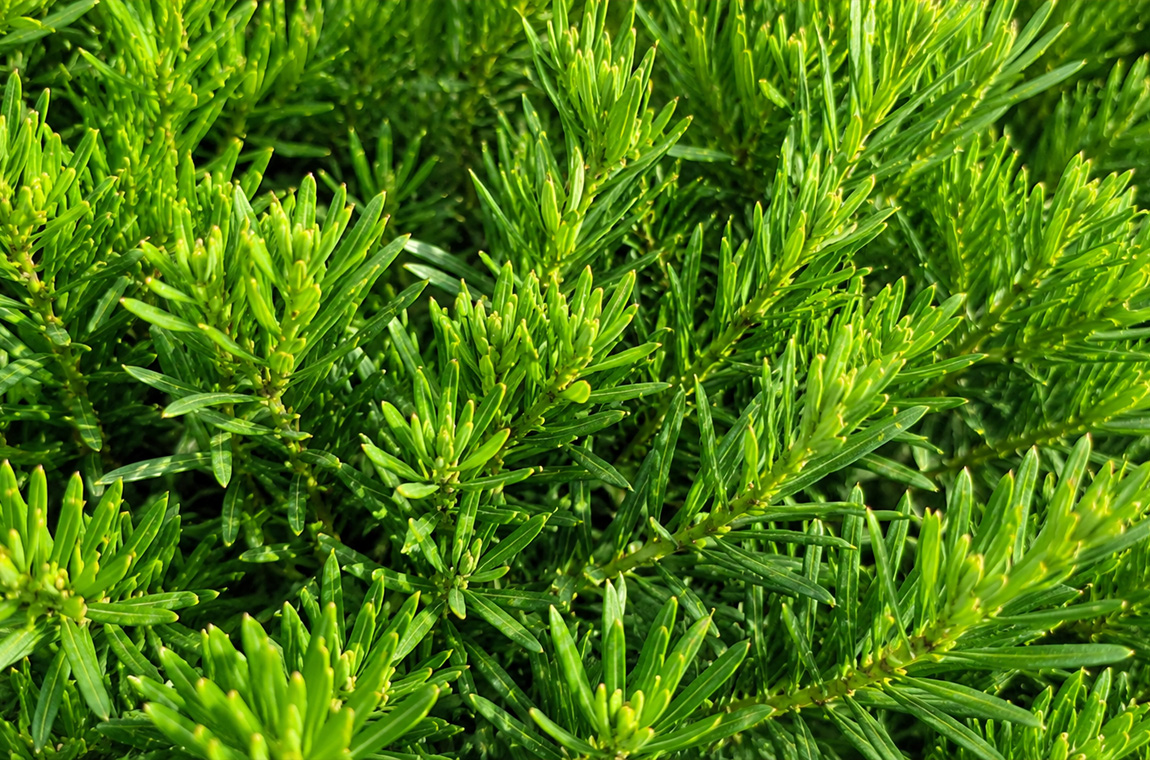
Cephalotaxus Plum Yews
Cephalotaxus, pronounced SEF uh loh TAKS us, commonly known as Plum Yew or Japanese Korean Plum Yew, is a genus of evergreen conifers prized for their luscious needle like foliage, shade tolerance, graceful structure, and year round garden interest. These plants are amazing assets in mixed borders, shade gardens, foundation plantings, low hedges, and groundcovers.
Unlike true yews Taxus, Cephalotaxus is its own distinct genus in the Taxaceae family. It combines the evergreen resilience of conifers with softer, more textured foliage that is versatile and garden worthy.
What Is Cephalotaxus?
Cephalotaxus is a small genus of evergreen shrubs and trees native to eastern Asia, primarily Japan, Korea, China, and parts of Southeast Asia. These plants range from compact garden shrubs to small landscape trees.
The name plum yew comes from the resemblance of their needle like leaves to those of yews and from the plum like fleshy fruits, called arils, produced on female plants. Despite the name similarity, they are not true yews.
General Traits of Cephalotaxus
Evergreen, coniferous shrub or small tree
Glossy, flat, linear needles
Very tolerant of shade and filtered light
Usually slow growing
Produces plum like fruits on female plants with nearby male pollinators
Often deer resistant and low maintenance once established
Cephalotaxus repandens Classic Evergreen
Cephalotaxus repandens is a less common name in mainstream horticulture and may be a synonym or lesser known variant within the plum yew group. Many plant references focus on the genus as a whole or specific cultivars of Cephalotaxus harringtonia. What is most widely cultivated are garden forms of C. harringtonia and other species in the genus.
Cephalotaxus plants with names like repandens often share the signature evergreen habit, shade tolerance, and textured foliage of the plum yew group. Historically, these plants have been valued for shaded spots where typical evergreens like junipers or traditional yews struggle.
A textured green shrub with flat needles that remain through winter provides constant color and soft structure among deciduous trees and perennials. That is the classic appeal of plum yews.
Cephalotaxus harringtonia The Japanese Plum Yew
At the heart of garden use for this genus is Cephalotaxus harringtonia, commonly called Japanese Plum Yew or Korean Plum Yew. It is one of the most widely grown species in landscapes outside Asia.
The Essence of Plum Yew
Cephalotaxus harringtonia is generally a slow growing evergreen shrub or small tree whose deep green needles form soft, elegant foliage masses. Used as foundation plants, specimen shrubs, screens, or shade garden anchors, these plants add texture and depth where many evergreens cannot perform well.
In the wild, these plants can reach substantial heights, even becoming small trees. In cultivation, many cultivars remain more compact and manageable.
Cephalotaxus harringtonia Weeping and Drupacea Graceful Spreading Evergreen
One of the most visually appealing forms of Japanese plum yew is a cultivar often sold as Cephalotaxus harringtonia Drupacea or called a weeping plum yew.
What Makes Drupacea Special
Growth Habit: Naturally semi weeping and sprawling, making it a soft evergreen focal point.
Size: Typically reaches 3 to 5 ft tall with a spread up to 10 ft or more, excellent for wide beds, borders, and under windows.
Foliage: Glossy dark green needles provide year round color and texture.
Environmental Tolerance: Thrives in full sun to deep shade, tolerates heat and drought once established, and handles a range of soil types.
Like other Cephalotaxus, the weeping form is evergreen, slow growing, and deer resistant.
Garden Uses
Foundation planting where a formal hedge is not necessary
Large container plantings for patios or terraces
Woodland borders for texture and winter structure
Mass plantings for sweeping evergreen coverage
Cephalotaxus harringtonia Prostrata Classic Low Spreading Plum Yew
Cephalotaxus harringtonia Prostrata, often called Prostrate Japanese Plum Yew, is arguably the most popular landscape cultivar in the genus. Its broad, low mound and glossy, soft evergreen needles offer a distinctive texture compared with more rigid conifers.
Size and Habit
Height: Usually 2 to 3 ft tall
Spread: Typically 3 to 8 ft or more depending on site and crowding
Ideal For
Groundcover and low evergreen hedges
Underplanting large trees
Mass plantings in shade gardens
Woodland or winter gardens where evergreen structure matters
Growing Conditions
Prostrata is remarkably adaptable.
Light
Performs well in partial shade to deep shade and is one of the few evergreen conifers that thrives in lower light. It tolerates full sun in cooler climates.
Once established, it is considered drought tolerant and deer resistant. Its arching, pendulous branch pattern creates a cloud like silhouette perfect for softening borders and filling shady garden spaces.
How to Grow and Care for Cephalotaxus
Light
Most Cephalotaxus cultivars thrive in partial shade or morning sun. They tolerate full shade better than many evergreen shrubs but can also handle full sun in cooler regions.
Soil and Water
Soil: Prefers moist, well drained soil but adapts to sandy, loamy, or slightly clay soils.
Water: Regular watering during establishment is crucial. Established plants are fairly drought tolerant.
Mulch: A layer of mulch helps maintain consistent moisture and cool roots.
Fertilizing
Use a balanced, slow release fertilizer in early spring to support growth. Avoid heavy fertilization in late summer to prevent tender new growth entering winter.
Landscaping with Cephalotaxus
Design Tips
Shade Gardens: These evergreens are stars in shade gardens where color and structure are often lacking. Their foliage stands out against hostas, ferns, and shade perennials.
Evergreen Foundation: Use Prostrata or Weeping forms to create evergreen structure beneath windows or along walkways.
Groundcover Alternative: When traditional groundcovers fail in dry shade, plum yew fills in with lush evergreen color.
Mass Planting: Group three or more together for a drama of texture and winter interest.
Final Thoughts
The Cephalotaxus genus, with forms like Prostrata and Weeping Plum Yew, is a landscape gem that offers year round evergreen structure, shade tolerance uncommon among conifers, deer and rabbit resistance in most cases, low maintenance once established, and elegant foliage texture distinct from common evergreens.
Whether you are designing a shaded woodland retreat, reinforcing evergreen structure in a mixed border, or adding intrigue to foundation plantings, plum yews bring a unique, timeless presence to gardens. They are especially valuable when evergreen options are limited by light or soil conditions.