
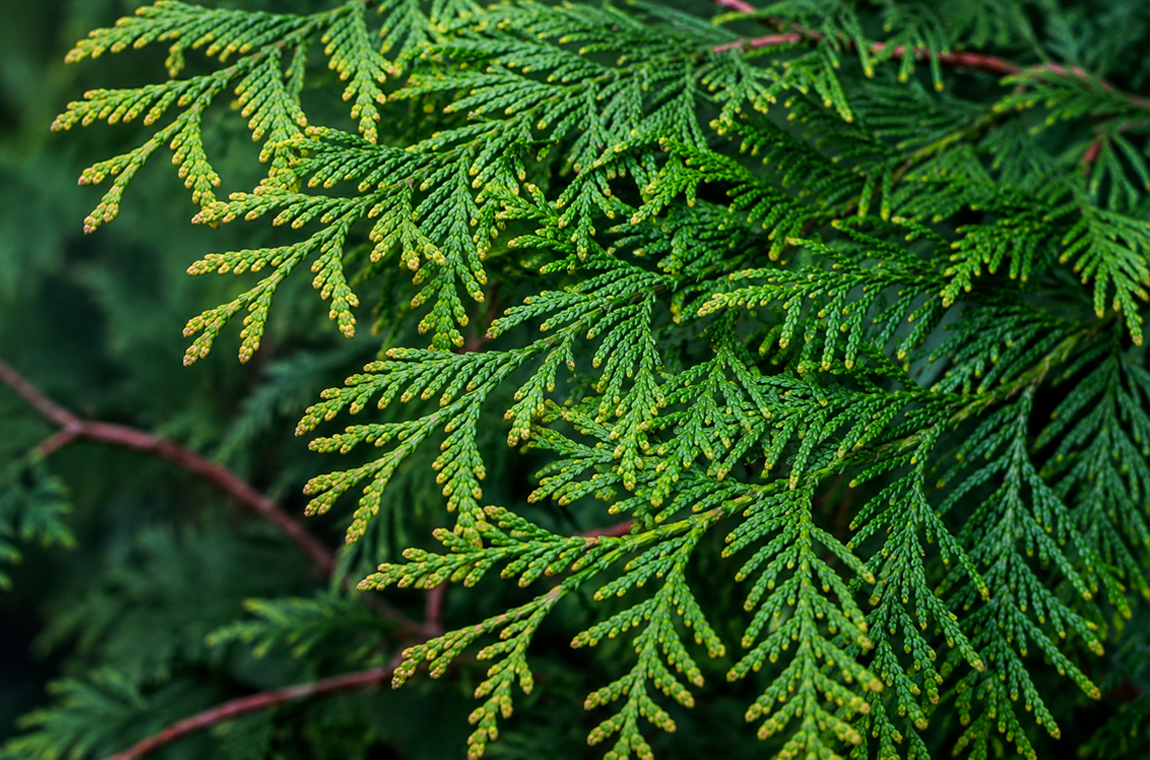
Cedar
Cedar Fernspray ‘False Cypress’: A Stunning Evergreen That Elevates Every Garden If you’re looking to add evergreen elegance, architectural form, and low maintenance beauty to your outdoor space, Cedar Fernspray False Cypress is a plant you’ll want to know about. This unique evergreen — botanically part of the Chamaecyparis genus — offers softer, fern like foliage, deer resistance, and year round presence in a landscape. It’s equally at home as a specimen plant, part of a quiet woodland garden, or a stately entryway anchor.
What Is Cedar Fernspray ‘False Cypress’?
“Cedar Fernspray” is the common name often given to a False Cypress cultivar — typically Chamaecyparis obtusa ‘Filicoides’ — that features soft, feathery, fernlike foliage reminiscent of delicate fronds. Despite the name False Cypress, these plants are not true cedars (Cedrus), but belong to the Cupressaceae (cypress) family and share many of the best qualities gardeners love in conifers.
The term Fernspray highlights the plant’s unique texture — its branch tips spread out like sprays of fern fronds, creating an airy yet evergreen presence. This makes it a visually compelling plant for foundation planting, specimen highlights, and mixed evergreen borders.
Botanical Identity & Natural History
• Botanical Name: Chamaecyparis obtusa ‘Filicoides’
• Common Names: Cedar Fernspray False Cypress, Fernspray False Cypress
• Plant Type: Evergreen conifer
• Plant Family: Cupressaceae (Cypress family)
• Hardiness Zones: USDA Zones 4–8 (cold hardy in many climates)
• Habit: Upright, sometimes slightly arching, with fern like sprays of foliage
• Height & Spread: Approximately 8–12 ft tall and 3–4 ft wide when mature (varies by cultivar and conditions)
False Cypress species and cultivars are native to various regions of Asia and North America, and gardeners have cultivated them for over a century for ornamental foliage, evergreen color, and architectural structure.
Why Cedar Fernspray Is a Garden Favorite
What sets Cedar Fernspray apart from many other evergreen shrubs and trees? Let’s break down the characteristics that make it exceptional for landscapes of all sizes:
1. Evergreen Year Round Interest
Unlike deciduous plants that disappear in winter, Cedar Fernspray provides constant color and structure year round. Its feathery sprays of foliage give a soft, elegant texture even in the depths of winter, when most other plants have lost their leaves.
2. Deer Resistant
Although no plant is completely deer proof, False Cypress — including Fernspray types — is generally considered deer resistant. The texture, evergreen nature, and foliage make it less likely to be browsed compared to more palatable species.
3. Soft, Fern Like Texture (Not Your Average Evergreen)
Where many evergreens have stiff needles or scales, Cedar Fernspray has soft, ferny sprays that move gently in the breeze. This texture adds a sensory dimension to gardens that contrasts beautifully with more rigid plants.
4. Versatile in Landscape Uses
Cedar Fernspray performs well as:
• A standalone specimen
• A formal or casual hedge
• A foundation plant
• A focal point in mixed borders
• A feature in contemporary, woodland, or Asian inspired designs
5. Low Maintenance Once Established
These evergreens do not require frequent pruning, heavy fertilization, or constant tending. With the right planting and a bit of early care, they settle into the landscape gracefully.
Planting Cedar Fernspray: Choosing the Right Spot
Before planting, consider the following factors to set Cedar Fernspray up for success.
Light Requirements
• Full Sun: Best for strong, dense foliage
• Partial Shade: Tolerated, especially in warmer climates (though foliage may be less dense)
Choosing the right light ensures vibrant foliage color and solid growth habit. Too much shade can make most false cypress look sparse, while bright light encourages robust foliage.
Soil & Drainage
These plants prefer well drained soil with moderate moisture. While they can handle a range of soil types — including slightly acidic soils — they do not like waterlogged conditions, as that can lead to root rot or decline.
Amending heavy clay with compost or planting in a raised bed can improve drainage dramatically. A 2–3 inch layer of mulch also helps regulate soil moisture and temperature.
Best Time to Plant
• Spring & Fall: Ideal for planting because temperatures are moderate and roots can establish before summer heat or winter freeze.
• Avoid planting in extreme heat or drought, which stresses young roots.
Watering & Early Care
• Establishment Period: Water regularly to help roots spread and anchor.
• After Establishment: These evergreens are reasonably tolerant of dry conditions once established, but supplemental watering during prolonged drought helps maintain rich color and lush foliage.
• Mulching helps moisture retention and protects roots from temperature swings.
Pruning & Long Term Maintenance
One of the best features of Cedar Fernspray is that it rarely requires heavy pruning. Let the plant retain its natural shape for the most graceful appearance. However:
• Light shaping can be done in early spring if desired.
• Remove any dead or crossing branches to maintain airflow and appearance.
• Avoid cutting back into old wood — false cypress typically won’t regenerate new growth from old, bare areas.
Landscape Design Ideas With Cedar Fernspray
Whether your garden is formal, rustic, contemporary, or whimsical, Cedar Fernspray fits beautifully.
1. A Serene Evergreen Focal Point
Place a single Cedar Fernspray near a patio, entryway, or front lawn to create an evergreen focal point. Its texture and form catch the eye without overwhelming other plantings.
2. Backbone of a Mixed Evergreen Border
Pair with other evergreens like dwarf conifers, boxwood, or hemlock to create a year round foundation planting. The soft sprays contrast nicely with denser foliage.
3. Textural Support in Flower Borders
Use Fernspray behind perennials such as ornamental grasses, sedum, or late season blooms like asters. Its evergreen structure provides a backdrop that lets seasonal blooms shine.
4. Accent in Woodland or Asian Inspired Gardens
The plant’s soft, fernlike sprays harmonize beautifully with woodland mosses, hostas, and stone accents. It’s also a natural fit in gardens inspired by Japanese or Zen design aesthetics.
5. Low Hedge or Screen
When planted in a row (with appropriate spacing based on mature size), Cedar Fernspray creates an attractive, evergreen screen for privacy or visual separation.
Seasonal Interest & Winter Performance
Unlike deciduous shrubs that lose leaves, Cedar Fernspray maintains its texture — and often becomes even more visually striking in winter, when feathery evergreen sprays contrast against snow or bare landscapes.
Wildlife and Ecosystem Benefits
Although not a bird feeding plant like berry producers, the dense structure provides habitat and shelter for small birds and pollinators. This subtle ecological role adds value in a wildlife friendly garden design.
Companion Plants That Pair Well
Cedar Fernspray looks great with:
• Hostas — lush shade tolerant foliage
• Heucheras — colorful leaves
• Ornamental grasses — contrast in texture
• Hydrangeas — seasonal blooms
• Boxwood or dwarf conifers — evergreen companions
Strategic pairing enhances both seasonal interest and textural contrast in planting beds.
Troubleshooting Common Issues
Browning Tips
Browning tips can occur from drought stress or excessive heat — regular watering and mulch can help. Generally, Fernspray coping with moderate drought is better once established, but young plants appreciate consistent watering.
Pests & Diseases
False cypress is not considered highly pest prone, but like other conifers it can occasionally face issues like spider mites or scale insects. Regular inspection and proper care help prevent major problems.
Final Thoughts: Why Cedar Fernspray Belongs in Your Garden
Cedar Fernspray False Cypress is more than just another evergreen — it’s a landscape enhancer that offers year round color, distinctive texture, deer resistance, and elegant form. Whether planted as a solo focal point, part of a structured evergreen border, or integrated into seasonal flower beds, its presence adds depth, softness, and sophistication to any garden design.
With moderate care, proper light, and well drained soil, Cedar Fernspray rewards gardeners with constant visual interest and a low maintenance evergreen that stands out from the crowd.