
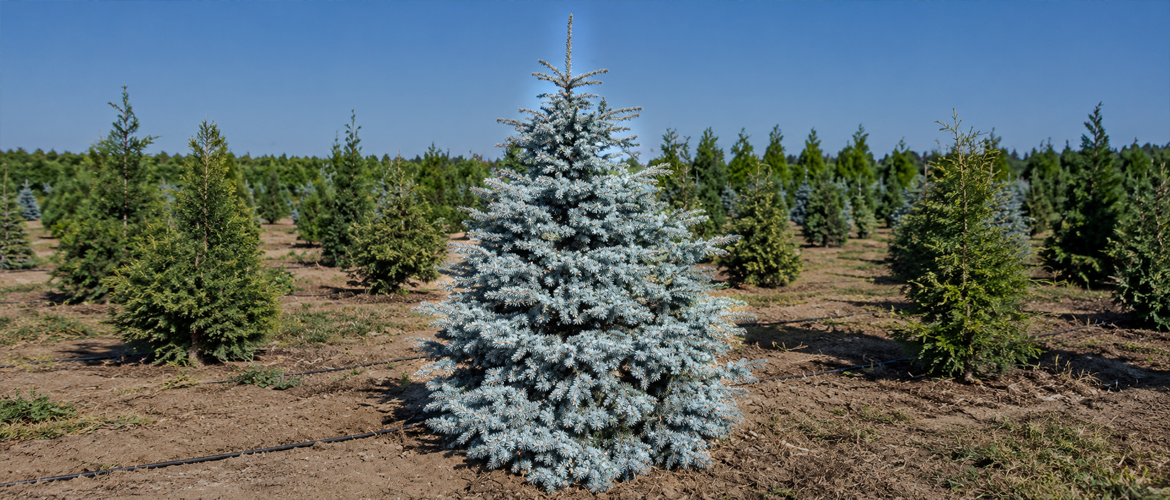
Blue Spruce Varieties (Colorado Blue Spruce)
Blue spruce is a classic choice for Northeast landscaping, thanks to its steel-blue needles, strong structure, and year-round greenery. Colorado blue spruce (Picea pungens) comes in numerous cultivars with different sizes, shapes, and foliage colors. From towering pyramids to compact dwarf mounds and narrow columnar trees, each variety offers unique landscaping possibilities. Louis Contino Landscaping in Oyster Bay, Long Island, helps homeowners select suitable blue spruce varieties for beautiful, well-planned outdoor spaces.
What Makes Blue Spruce Special?
Colorado blue spruce typically matures between 30 and 60 feet tall, forming a pyramidal shape with horizontal branches. Its distinctive blue color comes from a waxy coating on the needles, although intensity varies by cultivar, season, and growing conditions.
For Long Island properties, blue spruce performs best in full sun, well-drained soil, and locations with good airflow. Proper placement helps maintain healthy growth and attractive foliage.
Best Blue Spruce Varieties for Landscaping
1. Large Statement Trees
‘Hoopsii’ Blue Spruce
‘Hoopsii’ is known for its brilliant silver-blue needles and dramatic appearance. It makes an excellent front-yard focal point, driveway accent, or statement tree that adds structure to the landscape.
‘Fat Albert’
‘Fat Albert’ features dense branches, a broad pyramidal shape, and attractive blue foliage. Its naturally symmetrical appearance makes it suitable for traditional gardens, property-line accents, and formal landscape designs without requiring frequent shaping.
2. Medium Blue Spruce Varieties
‘Baby Blue Eyes’
This cultivar is often available as a smaller blue spruce, making it useful for residential properties with limited space. It works well in side yards, near patios, and within mixed planting beds, provided sufficient room is available for mature growth.
‘Bakeri’ / ‘Baker Blue’
These selections are valued for their blue foliage and comparatively manageable scale. They can provide the classic spruce appearance in residential gardens, although availability and mature dimensions vary by nursery and cultivar.
3. Dwarf Blue Spruce
‘Glauca Globosa’
This slow-growing cultivar develops a compact, globe-shaped mound, commonly reaching approximately 3–5 feet tall and 4–6 feet wide over time. It suits foundation beds, walkways, and island gardens, creating contrast against green shrubs, gravel, and natural stone.
‘Montgomery’
‘Montgomery’ is another popular dwarf variety with blue foliage and a compact, rounded growth habit. It works well along planting-bed edges and in smaller landscape compositions, adding evergreen structure throughout the year.
4. Columnar Blue Spruce
‘Iseli Fastigiate’
This narrow, upright cultivar provides vertical interest without occupying as much horizontal space as broader spruce varieties. It is suitable for narrow side yards, architectural accents, and modern gardens where height is desired without sacrificing too much lawn space.
5. Weeping Blue Spruce
‘Pendula’ and Other Weeping Forms
Weeping blue spruce varieties feature cascading branches that create distinctive sculptural shapes. They work particularly well in feature gardens, courtyards, and patio landscapes. Decorative landscape lighting can further highlight their unique structure.
How to Choose the Right Blue Spruce
Before selecting a variety, consider the available planting space and the tree's mature dimensions. Large cultivars such as ‘Hoopsii’ and ‘Fat Albert’ make strong focal points, while dwarf varieties provide compact evergreen structure. Columnar forms suit narrow spaces, and weeping varieties create dramatic visual features.
Landscape style also matters. Formal gardens benefit from symmetrical planting, modern designs pair well with columnar trees and clean hardscaping, and naturalistic landscapes can incorporate blue spruce among mixed evergreens.
Planting and Care Tips for Long Island
Blue spruce thrives in full sunlight, well-drained soil, and good air circulation. Avoid waterlogged areas, crowded planting locations, and restricted spaces near fences or dense hedges.
During the first two growing seasons, deep, infrequent watering encourages healthy root development. Apply mulch around the base to help regulate soil moisture and temperature, keeping it away from the trunk.
Proper spacing and airflow also help reduce the risk of common problems, including Rhizosphaera needle cast and general spruce decline. Choosing an appropriate planting location and avoiding environmental stress can support healthier growth.
Landscape Pairings and Design Ideas
Blue spruce combines beautifully with dark-green shrubs such as inkberry holly, boxwood, and yew. Ornamental grasses, catmint, nepeta, hydrangeas, alliums, and salvia introduce contrasting textures and seasonal interest. Bluestone, granite boulders, gravel, and natural stone edging further emphasize the blue foliage.
Blue Spruce in Residential Landscape Design
Louis Contino Landscaping uses blue spruce in several ways: statement trees as winter focal points, dwarf varieties in foundation beds, columnar forms where space is limited, and weeping specimens near patios and entryways.
Choosing the right blue spruce variety creates lasting structure, color, and visual interest while complementing your property's landscape design.