
Black-Eyed Susan (Rudbeckia): A Hardy, Deer-Resistant Favorite for Beautiful Landscapes
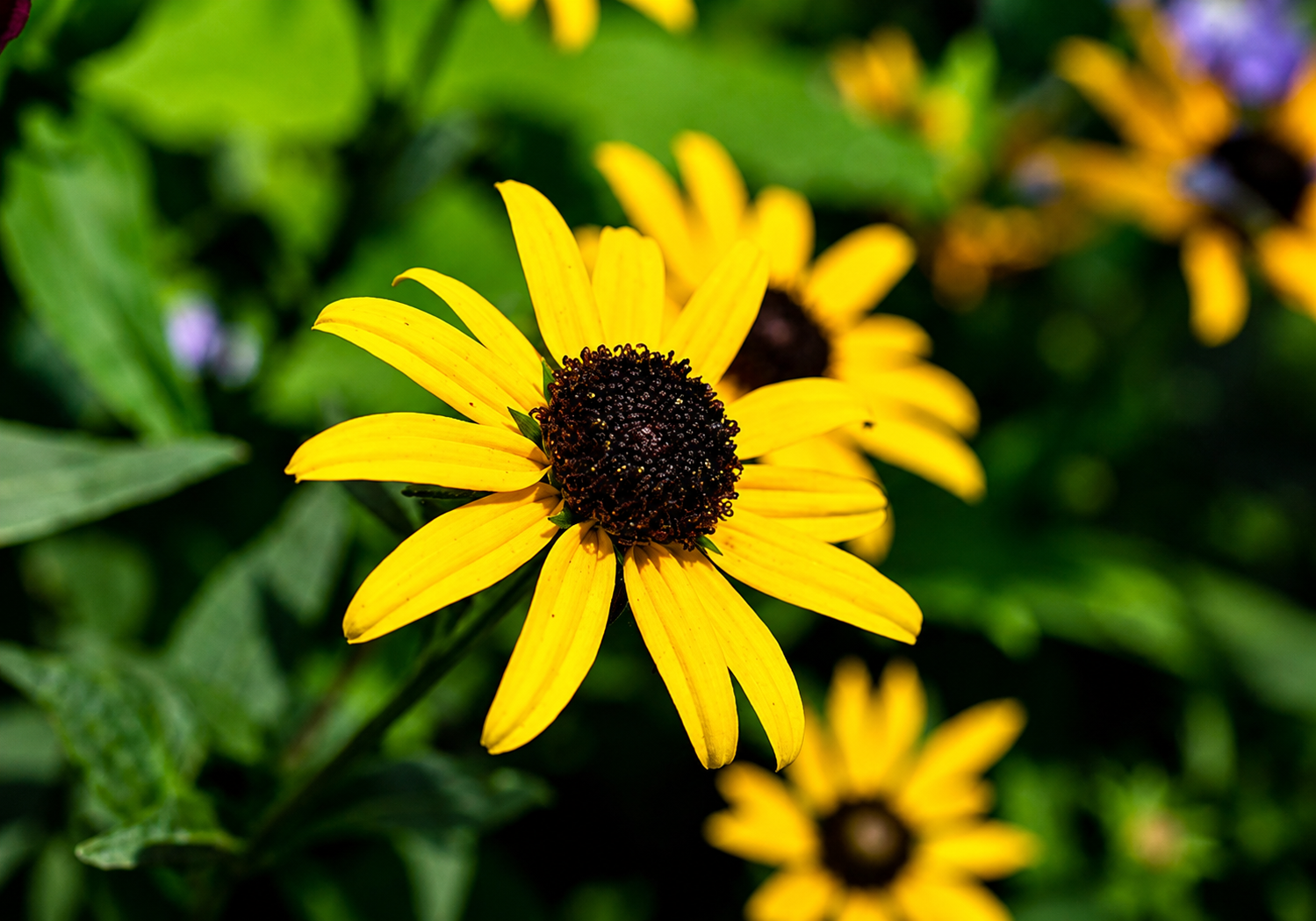
When it comes to reliable, colorful perennials that thrive with minimal care, Black-Eyed Susan (Rudbeckia) stands out as one of the most dependable choices in American landscapes. Known for its bright golden petals and dark, contrasting centers, this native perennial delivers long-lasting color, exceptional durability, and strong resistance to deer and rabbits—making it a smart investment for both residential and commercial landscapes.
Whether you are designing a new garden bed, enhancing curb appeal, or looking for tough plants that can withstand wildlife pressure, Black-Eyed Susan offers beauty without the headache. This guide explores everything you need to know about Black-Eyed Susan, including its growth habits, landscaping uses, deer and rabbit resistance, seasonal interest, and long-term care.
What Is Black-Eyed Susan?
Black-Eyed Susan is the common name for plants in the Rudbeckia genus, a group of flowering perennials and biennials native to North America. These plants are prized for their daisy-like flowers, vibrant yellow to gold petals, and signature dark brown or black centers.
Most varieties bloom from early summer through fall, providing months of color when many other perennials fade. Because of their native origin, Black-Eyed Susans are exceptionally adaptable to a wide range of soil types and climate conditions.
Why Black-Eyed Susan Is a Landscape Staple
Black-Eyed Susan has earned its place as a landscape staple for several important reasons:
- Long bloom season
- Strong deer and rabbit resistance
- Low maintenance requirements
- Excellent drought tolerance once established
- Native plant benefits for pollinators
- Adaptability to many design styles
This combination makes it especially appealing for homeowners who want a vibrant landscape without constant upkeep.
Deer and Rabbit Resistance: A Major Advantage
One of the biggest challenges homeowners face is wildlife damage, especially from deer and rabbits. Black-Eyed Susan is widely regarded as deer-resistant and rabbit-resistant, which makes it a valuable plant for properties located near wooded areas, open fields, or suburban neighborhoods with high wildlife activity.
Why Deer Avoid Black-Eyed Susan
Deer tend to avoid Black-Eyed Susan for several reasons:
- The foliage has a coarse, hairy texture that deer dislike
- The plant lacks the sweet, tender growth deer prefer
- It contains natural compounds that reduce palatability
While no plant is completely deer-proof, Black-Eyed Susan consistently ranks among the least browsed perennials in deer-heavy regions.
Rabbit Resistance
Rabbits also tend to pass over Black-Eyed Susan. The rough foliage and strong scent are unattractive to them, especially when compared to soft, leafy plants like hostas or pansies. This makes Black-Eyed Susan an excellent choice for gardens that struggle with both deer and rabbit damage.
Bloom Time and Seasonal Interest
Black-Eyed Susan is known for its extended bloom period, typically flowering from June through September, and sometimes even into October depending on weather conditions.
- Early summer: Fresh, bright blooms emerge
- Mid-summer: Peak flowering with dense clusters
- Late summer to fall: Continued blooms and seed heads
Even after flowering, the dried seed heads add winter interest and provide food for birds, making this plant valuable year-round.
Landscape Design Uses
Black-Eyed Susan is extremely versatile and can be used in a wide variety of landscape applications.
Perennial Garden Beds
These plants work beautifully in mixed perennial borders, adding bold color and height. Their upright growth habit makes them ideal for the middle or back of garden beds.
Mass Plantings
When planted in groups, Black-Eyed Susan creates a dramatic visual impact. Mass plantings are particularly effective along fences, property lines, and driveways.
Naturalized and Meadow-Style Landscapes
Because they are native and self-seeding, Black-Eyed Susans are perfect for naturalized areas, meadow gardens, and pollinator habitats. They blend seamlessly with ornamental grasses and other native plants.
Foundation Planting Accents
Used selectively, they can soften hard edges around foundations and walkways while adding cheerful color.
Ideal Growing Conditions
Black-Eyed Susan is known for its adaptability, but it performs best under the following conditions:
Sunlight
- Full sun is ideal
- Tolerates partial shade, though flowering may be reduced
Soil
- Well-drained soil is essential
- Tolerates clay, loam, and sandy soils
- Performs well in average to poor soil
Watering
- Moderate water during establishment
- Once established, it is highly drought-tolerant
This resilience makes Black-Eyed Susan perfect for low-maintenance and eco-friendly landscapes.
Low Maintenance and Easy Care
One of the biggest reasons homeowners love Black-Eyed Susan is its low maintenance nature.
Deadheading
Removing spent flowers can encourage additional blooms, but it is not required. Many gardeners leave seed heads in place for birds and winter interest.
Fertilizing
Black-Eyed Susan does not require heavy fertilization. In fact, too much fertilizer can lead to leggy growth and fewer flowers.
Dividing
Plants can be divided every few years to maintain vigor and control spreading, especially in smaller garden beds.
Drought Tolerance and Climate Resilience
Once established, Black-Eyed Susan is remarkably drought-tolerant, making it ideal for sustainable landscapes and areas with watering restrictions. Its deep root system allows it to thrive during dry summers when other perennials struggle.
It also tolerates:
- Heat and humidity
- Cold winters
- Wind exposure
This durability makes it suitable for a wide range of climates across the United States.
Pollinator and Wildlife Benefits
While deer and rabbits avoid Black-Eyed Susan, beneficial wildlife love it.
Pollinators
- Attracts bees, butterflies, and beneficial insects
- Supports local ecosystems
- Ideal for pollinator gardens
Birds
- Seed heads provide food for finches and songbirds in fall and winter
This balance—resisting pests while supporting pollinators—makes Black-Eyed Susan an environmentally responsible choice.
Companion Plants That Pair Well
Black-Eyed Susan pairs beautifully with many other deer-resistant and native plants, including:
- Coneflowers
- Ornamental grasses
- Russian sage
- Yarrow
- Coreopsis
Together, these plants create layered, colorful landscapes that thrive with minimal intervention.
Common Varieties of Black-Eyed Susan
There are several popular varieties to choose from, each offering slightly different characteristics:
- Tall varieties for back borders
- Compact varieties for smaller gardens
- Annual and perennial types
- Varieties with larger or more intense flower colors
Selecting the right variety ensures the best performance for your specific landscape goals.
Common Problems and How to Avoid Them
Black-Eyed Susan is generally pest-free and disease-resistant, but a few minor issues can occur:
Powdery Mildew
- Improve air circulation
- Avoid overhead watering
Self-Seeding
- Remove seed heads if spreading is a concern
These issues are minimal compared to the benefits the plant provides.
Why Black-Eyed Susan Is Ideal for Deer-Heavy Areas
For homeowners frustrated by constant plant damage, Black-Eyed Susan offers peace of mind. Its strong deer and rabbit resistance allows landscapes to thrive without fencing, sprays, or constant replacement.
It is especially valuable for:
- Properties near woods
- Large residential lots
- Naturalized landscapes
- Low-maintenance gardens
Final Thoughts: A Smart, Resilient Choice
Black-Eyed Susan is more than just a cheerful flower—it is a hardworking, resilient, deer-resistant perennial that delivers lasting beauty with minimal care. Its long bloom time, adaptability, wildlife resistance, and ecological benefits make it one of the most practical and attractive choices for modern landscapes.
Whether planted in formal garden beds or sprawling meadow designs, Black-Eyed Susan continues to prove why it remains a favorite among homeowners, landscape designers, and gardeners alike.
If you are looking for a plant that combines bold color, durability, and natural deer and rabbit resistance, Black-Eyed Susan deserves a place in your landscape.
If you’d like, I can:
- Adapt this specifically for Louis Contino Landscaping branding
- Add SEO keyword optimization for Long Island or Northeast searches
- Convert this into a Word document
- Provide high-quality image suggestions to match each section