
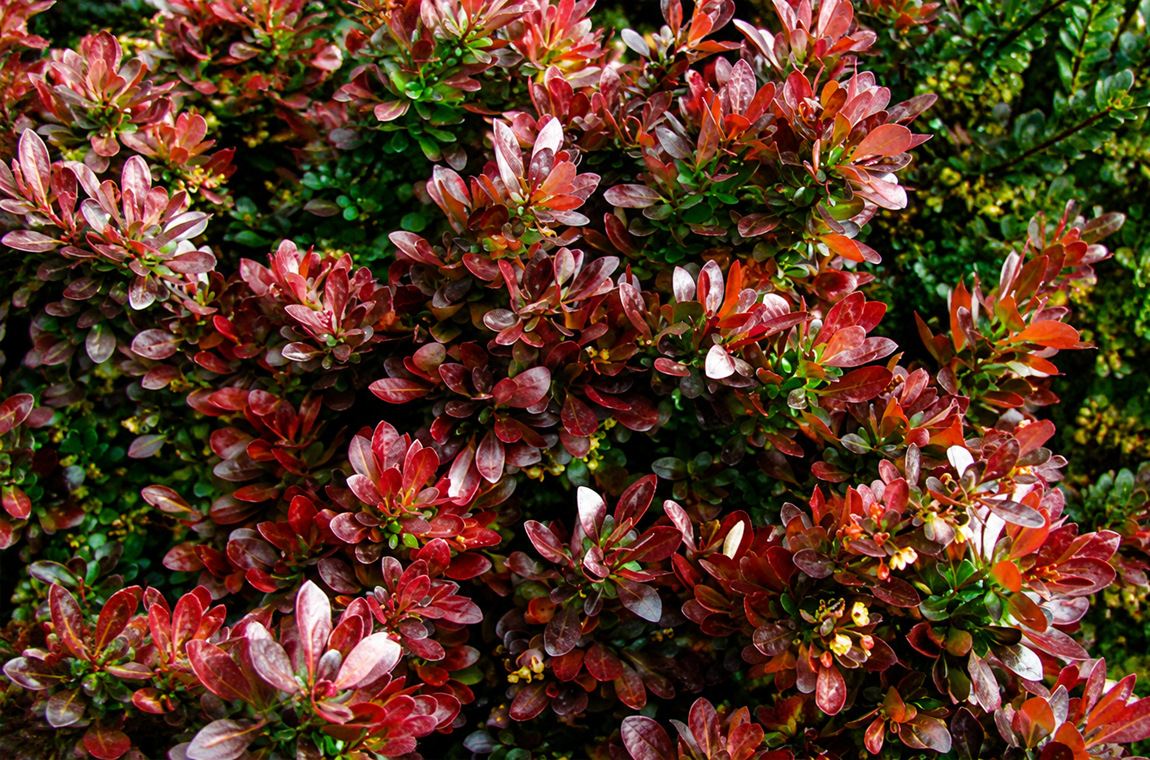
Barberry ‘Crimson Cutie’
In landscape design, finding a small shrub that delivers season long color, easy care, adaptability, and wildlife resistance can transform your outdoor space. Enter Barberry ‘Crimson Cutie’ (Berberis thunbergii ‘Crimson Cutie’), a modern dwarf barberry cultivar that has redefined how gardeners incorporate barberry into landscapes — without common concerns about invasiveness or maintenance.
In this comprehensive guide you’ll learn all about:
- What makes Crimson Cutie special
- Its deer resistant traits
- Care, planting & pruning tips
- Landscape design inspiration
- Seasonal interest and companion plants
- Troubleshooting and long term maintenance
What Is Barberry ‘Crimson Cutie’?
Crimson Cutie is a dwarf, non invasive cultivar of Japanese barberry (Berberis thunbergii), bred and patented by the University of Connecticut as part of the WorryFree® series. Unlike older barberry varieties that can produce viable seeds and spread aggressively, Crimson Cutie does not produce nuisance seedlings — making it safe and legal to plant in states where invasive barberries are restricted.
Beloved for its vivid purplish red foliage, compact mounded habit, and low maintenance needs, this shrub brings bright, season long visual interest to landscapes of all sizes.
Key Features & Landscape Value
Compact, Rounded Habit
- Typical height: ~1.5–2 ft
- Spread: ~3–3.5 ft
This compact, rounded form works beautifully as a low hedge, border plant, foundation shrub, or accent, and even in containers.
Year Round Foliage Color
- Spring: Bright purplish red foliage emerges and makes a bold statement
- Summer: Foliage deepens to rich burgundy or purple hues
- Fall: Leaves may take on deeper red or reddish tones
This consistent color makes Crimson Cutie valuable even when blooms are done.
Flowers & Seasonal Interest
Although grown primarily for foliage, Crimson Cutie produces small yellow flowers in spring that attract pollinators. While the flowers are not showy, they provide ecological value.
Non Invasive & Low Maintenance
Because seeds are not viable, Crimson Cutie won’t self sow and spread like traditional barberries. This means no nuisance seedlings, less maintenance, and peace of mind in landscapes where invasive spread is a concern.
Deer Resistance & Wildlife Notes
Deer resistance is a major advantage of many barberry species, and Crimson Cutie continues this trend. The shrub is generally not a preferred food source for deer, helping gardens stay intact even in areas with moderate deer pressure.
The thorny stems — a characteristic of barberry — also help deter browsing by wildlife and even discourage foot traffic in sensitive planting areas.
Additionally, the yellow spring flowers attract pollinators like bees, enhancing biodiversity in your garden.
Growing Conditions & Care Requirements
Sunlight
Crimson Cutie thrives in full sun to partial shade, but the best foliage color intensity develops when it receives at least 6+ hours of direct sunlight each day.
Soil & Moisture
- Prefers well drained soil
- Tolerates a wide range of soil types, including clay, loam, or sandy soils
- Moderately drought tolerant once established
It’s adaptable but performs best with even moisture and good drainage.
Watering
- New plants: Water consistently during establishment
- Established plants: Water moderate amounts; avoid prolonged soggy conditions
Deep, infrequent watering is better than frequent light sprinklings.
Hardiness
This barberry is cold hardy in USDA zones ~4–9, meaning it withstands winter cold in many temperate gardens.
Pruning & Shaping Tips
Crimson Cutie has a naturally tidy, mounded habit and needs minimal pruning:
- Light shaping: A small trim in late spring can improve form
- Routine pruning: Not required after flowering because the plant produces no viable seed that needs removal
- Damage cleanup: Remove stray or damaged stems anytime to maintain neatness
This low maintenance nature makes it popular in both formal and casual landscapes.
Landscape Design Ideas
1. Low Hedge or Border Plant
Plant 3–4 ft apart in a row to create a low border hedge that brings season long foliage color. The mounded shape gives an orderly line without heavy clipping. (Plant Addicts)
2. Foundation Plantings
Use around foundations or along walkways to frame garden beds. Its intense color contrasts beautifully with green vines, grasses, or flowering perennials.
3. Accent or Focal Point
A single specimen planted near entrances, patios, or mixed beds adds bold, eye catching color — perfect for modern and classic landscapes alike.
4. Container Gardening
Its compact size and striking color make it excellent in containers or large planters on patios, decks, or porches — bringing curb appeal and structure.
5. Mixed Shrub Borders
Pair with contrasting textures like ornamental grasses, evergreen shrubs, or lighter leafed perennials to build layered, dimensional garden beds that hold interest across seasons.
Seasonal Interest Throughout the Year
Spring
- Deep burgundy red foliage brightens garden beds
- Yellow flowers appear in spring, supporting pollinators
Summer
- Rich foliage holds strong color through warm months
- Drought tolerance becomes an asset in dry spells
Fall
- Foliage may take on warmer reddish hues, adding fall color contrast
Winter
- While deciduous barberry loses its leaves, the woody stems remain structural and decorative in winter shrub borders.
Companion Plants & Color Stories
Crimson Cutie thrives with both cool and warm season companions. Some great pairings include:
- Ornamental grasses — soft textures balance the dense mound
- Silver leaf perennials (e.g., lavender, dusty miller) — create striking contrast with burgundy foliage
- Yellow flowering plants (e.g., coreopsis, black eyed Susan) — play off the shrub’s spring flowers
- Evergreen shrubs — maintain garden structure year round
Mixing these plants enhances visual appeal and ensures interest across seasons.
Deer Resistance Realities
Barberries — including Crimson Cutie — are generally deer resistant and not a preferred browse choice due to their thorny stems and leaf texture, which discourage grazing.
However, deer preferences vary by region and hunger levels, so in some high pressure areas occasional browsing is possible — but Crimson Cutie typically holds up better than many leafy shrubs.
Troubleshooting & Care Pitfalls
Pests & Diseases
This cultivar is disease resistant and generally free from serious pest issues. Routine garden hygiene — removing dead wood or stray branches — helps keep it healthy.
Overwatering
Barberries tolerate drought once established, but excess moisture can stress roots. Ensure good drainage and avoid waterlogged soil.
Too Much Shade
While hardy, deep shade can dull foliage color. Full to partial sun ensures the richest burgundy hues.
Final Thoughts: Why Choose Crimson Cutie
Barberry ‘Crimson Cutie’ brings together the best traits gardeners want in a small shrub:
- Vibrant, long lasting foliage color
- Non invasive sterile variety — safe for landscapes and compliant in regions that ban invasive barberries
- Deer resistance — not preferred by deer
- Low maintenance, drought tolerant once established
- Compact habit perfect for small gardens, borders, hedges, containers, and accents
Whether you’re designing a modern garden, classic landscape, or small urban yard, this barberry adds lasting color and structure with minimal effort.