
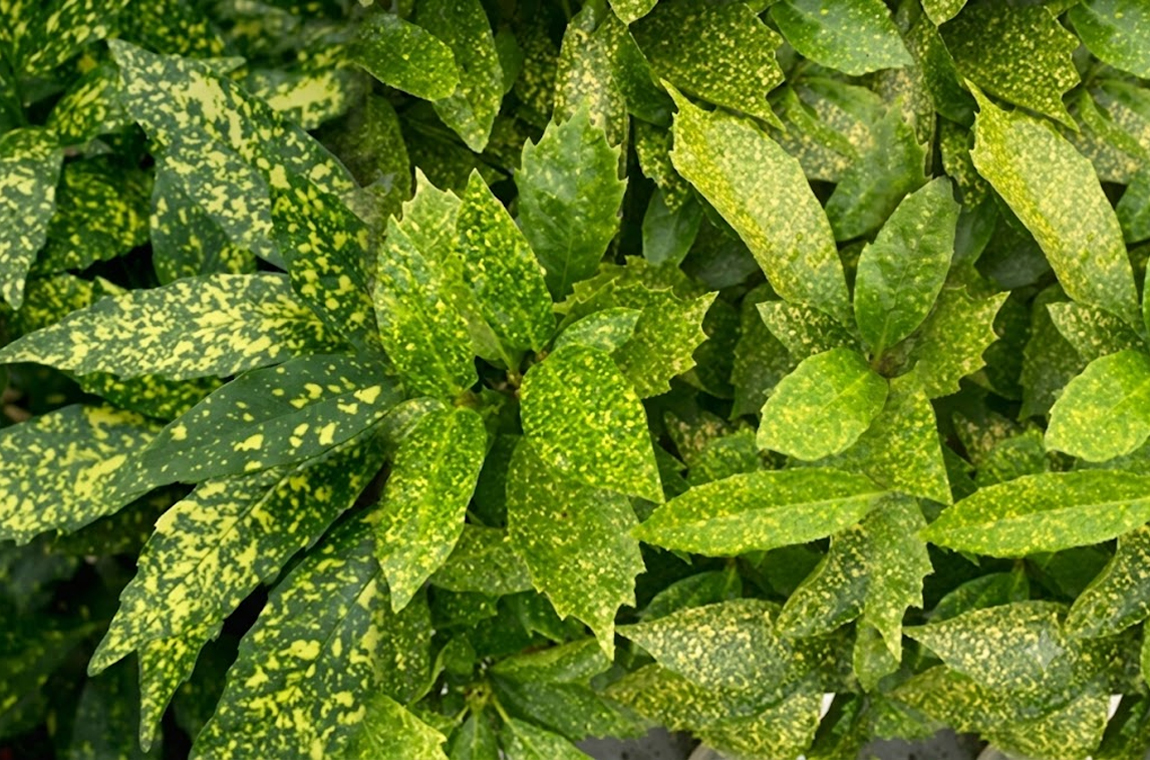
Aucuba japonica ‘Variegata’ (Gold Dust Plant)
If you’ve ever walked through a shady corner of a garden and noticed a plant that seems to glow even in low light, there’s a good chance you saw Aucuba japonica ‘Variegata’ — one of the most beloved evergreen shrubs for adding year round color and structure to landscapes where many other plants struggle. Known as the Gold Dust Plant, this variegated Japanese laurel provides bold foliage, low maintenance care, excellent shade tolerance, and beautiful red berries (when pollinated), making it a standout choice for gardens large and small.
What Is Aucuba japonica ‘Variegata’? A Garden Classic
Aucuba japonica, commonly called Japanese Aucuba or Japanese laurel, is a broadleaf evergreen shrub native to parts of East Asia including Japan, China, and Korea. It was introduced to Western gardens in the 18th century and quickly became popular for its resilience in shade, glossy foliage, and easy care. Variegated forms introduced later — especially ‘Variegata’ — are now among the most widely planted ornamental shrubs in temperate landscapes.
The cultivar ‘Variegata’ is specifically prized for its green leaves splashed with yellow or gold spots — a bold contrast that brings visual interest to shaded planting beds where color is often hard to achieve. For this reason, it’s frequently called the Gold Dust Plant or Spotted Laurel in garden centers and plant catalogs.
Ornamental Features: Foliage That Steals the Show
Variegated Leaves
The most striking feature of Aucuba japonica ‘Variegata’ is its foliage: glossy, leathery leaves patterned with bright golden yellow spots that seem to shimmer even in deeply shaded areas. This vibrant variegation is what gives the plant its common name Gold Dust Aucuba.
Unlike many plants that bloom for just a short period, it’s this leaf color and texture that provide the main ornamental value — offering year round visual interest. In winter and early spring, when other shrubs have lost their leaves or appear dull, the variegated foliage stays bold and bright.
Flowers & Berries
While the tiny, purple brown flowers of ‘Variegata’ are not particularly showy, they do appear in early spring on both male and female plants. If you plant a male pollinator nearby (like Aucuba japonica ‘Mr. Goldstrike’), the female ‘Variegata’ will produce clusters of bright red berries in autumn and winter — a stunning seasonal display against its evergreen foliage.
The berries can last well into winter, bringing additional color and wildlife value to the garden.
Size & Form
- Height: Typically 6–10 feet (1.8–3 m) depending on growing conditions and pruning.
- Spread: Around 5–9 feet (1.5–2.7 m) for mature shrubs.
- Habit: Dense, rounded evergreen shrub with a tidy, architectural form that adds structure to plantings.
Though it can become a large shrub, Aucuba japonica ‘Variegata’ can be pruned lightly to maintain a smaller size or used as part of a hedge or screen.
Growing Conditions: Where Aucuba japonica ‘Variegata’ Thrives
Shade & Light
Unlike many shrubs that struggle in low light, Aucuba japonica ‘Variegata’ excels in shade, making it perfect for north facing gardens, understory plantings beneath trees, and other shady corners where flowering plants often fail.
While it tolerates partial shade, too much sun — especially hot afternoon sun — can scorch the leaves or cause variegation to fade or burn. Plant it where it receives filtered light or morning sun for best performance.
Soil Preferences
This shrub prefers well drained, moist soil enriched with organic matter, but it is remarkably adaptable to many typical garden soils — even dry or poor soils — provided drainage isn’t a problem.
Slightly acidic to neutral soils help maintain foliage health, and adding compost at planting helps establish strong roots.
Watering & Moisture
- Establishment: Keep soil evenly moist after planting to help roots develop.
- Mature plants: Once established, it is moderately drought tolerant and requires only occasional watering in dry spells.
Avoid waterlogged conditions, as soggy soil can lead to root rot and stressed foliage.
Hardiness
Aucuba japonica ‘Variegata’ is hardy in a broad range of climates — typically USDA zones 6–10 — which means it tolerates mild winters as well as moderate cold, though foliage might darken in severe winter conditions.
Because of its evergreen foliage, it also provides winter structure in the landscape where many shrubs go dormant.
Deer Resistance & Wildlife Value
If you deal with wildlife in your garden, Aucuba japonica ‘Variegata’ has some notable advantages.
Deer Resistance
While no plant is 100 % deer proof, many gardeners find that deer tend to avoid Aucuba shrubs because of the texture and compounds in their leaves, making it a good choice for landscapes where deer browsing is a concern.
Still, in areas with high deer pressure and limited forage, deer may nibble stressed plants, so combining Aucuba with other deterrents or resistant plants further protects your garden.
Bird & Pollinator Interest
The red berries produced on female plants after pollination add visual interest and attract birds, providing winter food sources when few others are available.
Early spring flowers — though small — also provide pollen for emerging insects and bees.
Landscape Design Ideas
Aucuba japonica ‘Variegata’ fits into many garden styles due to its bold foliage and shade tolerance.
1. Foundation Plantings
Use Aucuba as a foundation shrub along shaded walls or under windows where other plants struggle. Its evergreen leaves soften architectural lines and provide structure year round.
2. Shady Borders
Plant Aucuba in shady mixed borders with hostas, ferns, hydrangeas, and heucheras. The golden variegation lifts dark green foliage and brightens the bed. (iGardening)
3. Hedge or Screen
A row of Aucuba shrubs produces a dense, evergreen hedge that offers privacy and color contrast, especially in shady garden edges where traditional hedging shrubs fail.
4. Contrast Planting
Combine with flowering shrubs that thrive in shade — such as camellias or rhododendrons — to balance foliage texture with seasonal blooms. (Gardening Alibaba)
5. Specimen or Accent
In smaller landscapes or patios, a single specimen in a decorative pot or near seating areas adds vertical interest and year round color.
Pruning & Maintenance
Aucuba japonica ‘Variegata’ is generally low maintenance, but a few simple practices keep it looking its best.
Pruning
Light pruning in late winter or early spring encourages a neat shape and removes any damaged wood. Avoid heavy pruning, as reduction beyond the variegated foliage can diminish visual impact.
Cleaning
Trim out any dead or diseased branches and remove leaf litter to prevent disease. Occasional thinning improves air circulation and overall plant health.
Fertilization
Apply a balanced, slow release fertilizer in spring if soil is poor, but many gardens provide sufficient nutrients without supplemental feeding.
Seasonal Interest & Year Round Appeal
Aucuba japonica ‘Variegata’ is a true multi season plant:
- Spring: New leaves emerge glossy and bright, with flowers appearing on both male and female plants.
- Summer: Variegated foliage brightens shaded beds and garden corners.
- Autumn/Winter: Female plants with pollination may produce red berries that last through winter, providing color when most other plants are dormant.
Because it retains its leaves year round and tolerates shade better than almost any evergreen shrub, Gold Dust Aucuba often becomes a garden anchor — a plant you rely on for color and structure even in lean seasons.
Final Thoughts: Why Aucuba japonica ‘Variegata’ Belongs in Every Garden
Whether you’re dealing with a shady yard corner that never seems to grow anything, wanting a low maintenance evergreen with personality, or seeking a hedge that stands out even in winter, Aucuba japonica ‘Variegata’ is a superb choice. Its eye catching gold speckled foliage, shade tolerance, disease resilience, and wildlife interest make it a favorite among both novice and experienced gardeners alike.
From foundation plantings and shady borders to accent features and hedges, this shrub brings evergreen color and texture to any landscape. Plant it thoughtfully in shade or filtered light, give it well drained soil, and enjoy its unique beauty year after year.