
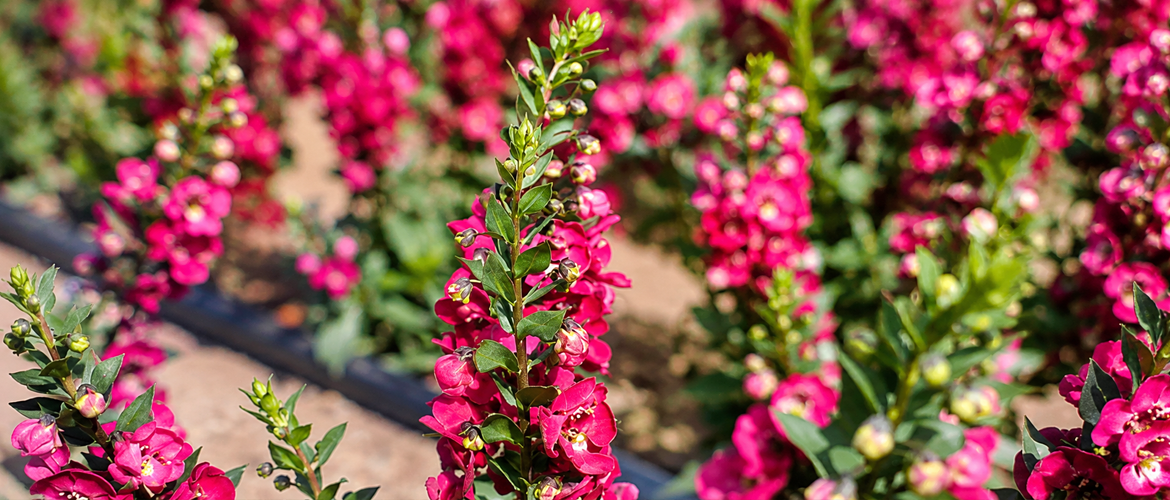
Angelonia (Deer & Rabbit Resistant)
Angelonia, commonly called summer snapdragon, is a reliable flowering plant that brings long-lasting color to landscapes. It thrives in summer heat, blooms continuously, and is generally avoided by deer and rabbits. For Long Island homeowners facing wildlife pressure, Angelonia offers an attractive, low-maintenance planting solution.
At Louis Contino Landscaping, we recommend Angelonia for patios, pools, walkways, and entry gardens. Its upright flower spikes, airy texture, and variety of colors complement both formal and cottage-style landscapes.
What Is Angelonia?
Angelonia (Angelonia angustifolia) is a warm-season flowering plant native to Mexico and the West Indies. It is grown as an annual in Northeast landscapes and produces snapdragon-like flowers from late spring through fall without requiring deadheading.
Key characteristics include:
Upright, bushy growth habit.
Long flowering season.
Excellent heat and humidity tolerance.
Moderate drought tolerance once established.
Compact growth, typically 12–18 inches tall for many cultivars.
Why Deer and Rabbits Usually Avoid Angelonia
Angelonia is generally considered deer and rabbit resistant because of its slightly aromatic foliage, narrow leaves, and fibrous stems. These characteristics make it less appealing than tender annuals such as impatiens and petunias.
However, no plant is completely deer-proof. Its resistance makes it a useful option for Long Island properties where wildlife frequently damages seasonal plantings.
Why We Use Angelonia at Louis Contino Landscaping
Angelonia offers several advantages for Northeast landscapes:
1. Heat and Humidity Performance
It thrives during Long Island summers, maintaining attractive blooms even when temperatures rise and other annuals begin to fade.
2. Continuous Color
Its flowers bloom consistently from June into fall without regular deadheading, keeping landscape beds looking fresh.
3. Strong Vertical Accent
Upright flower spikes create architectural interest and contrast beautifully with rounded shrubs and spreading perennials.
4. Low Maintenance
Angelonia requires minimal attention, making it suitable for homeowners seeking attractive seasonal color without constant upkeep.
Ideal Growing Conditions
Sunlight
Angelonia performs best in full sun, requiring at least six hours of daily sunlight. Partial shade may reduce flowering.
Soil
Well-draining, moderately fertile soil is preferred. It also performs well in raised beds and containers.
Watering
Provide regular watering during establishment. Once rooted, Angelonia tolerates moderate dry periods.
Spacing
Plant varieties approximately 9–12 inches apart to encourage airflow and healthy development.
Best Landscape Uses in the Northeast
Angelonia works beautifully in several landscape settings:
Poolside Plantings: Handles heat and adds vertical color around outdoor spaces.
Walkway Borders: Creates rhythm and structure along paths and entrances.
Container Gardens: Provides continuous blooms and combines well with trailing plants.
Foundation Beds: Adds summer color beneath shrubs and evergreen hedges.
Coastal Landscapes: Offers a dependable seasonal planting option for exposed properties.
Color Options and Popular Cultivars
Angelonia is available in purple, lavender, pink, white, blue, and bi-color varieties.
Popular selections include:
Archangel Series: Larger flowers and strong upright growth.
Serena Series: Compact plants suitable for bedding.
Serenita Series: Excellent branching and extended flowering.
At Louis Contino Landscaping, we pair Angelonia with ornamental grasses, silver foliage plants, white flowering shrubs, and purple or blue perennials for attractive combinations.
Maintenance Tips
Fertilizing
A balanced slow-release fertilizer applied during planting generally supports seasonal growth.
Pruning
Deadheading is unnecessary. A light mid-summer trim can refresh stretched plants.
Pests and Diseases
Aphids and mildew may occasionally occur, particularly where airflow is limited. Proper spacing helps reduce problems.
Angelonia vs. Other Deer-Resistant Annuals
| Plant | Deer Resistance | Bloom Duration | Heat Tolerance |
|---|---|---|---|
| Angelonia | High | Very long | Excellent |
| Marigold | Moderate | Medium | Good |
| Salvia | High | Long | High |
| Lantana | High | Long | Excellent |
Angelonia stands out for combining elegant appearance, heat tolerance, and extended flowering.
Design Ideas from Louis Contino Landscaping
1. Formal Entry Gardens
White Angelonia along a bluestone walkway creates an elegant appearance for properties in Oyster Bay and Kings Point.
2. Poolside Contemporary Design
Lavender Angelonia paired with ornamental grasses and natural stone softens hardscape areas.
3. Deer-Resistant Color Beds
Combine Angelonia with other less-preferred plants to create colorful seasonal gardens.
Seasonal Performance on Long Island
Late May–June: Plant installation.
June–July: Growth and first blooms.
July–September: Peak flowering.
October: Continued color until frost.
Frequently Asked Questions
Is Angelonia deer-proof?
No plant is completely deer-proof, but Angelonia is generally considered deer and rabbit resistant.
Does it return every year?
In Northeast climates, Angelonia is typically grown as an annual.
Does it attract pollinators?
Yes. Bees and butterflies regularly visit its flowers.
Can it tolerate drought?
Once established, it tolerates dry conditions better than many annuals.
Final Thoughts — Why Angelonia Belongs in Modern Landscapes
Angelonia combines long-lasting color, heat tolerance, and deer and rabbit resistance with an elegant appearance. It is an excellent choice for Long Island homeowners seeking beautiful, low-maintenance summer landscapes.
Louis Contino Landscaping helps homeowners select and install suitable plants for patios, walkways, pools, and garden beds. Whether upgrading an existing landscape or planning a new design, Angelonia offers dependable seasonal color and lasting visual appeal.