
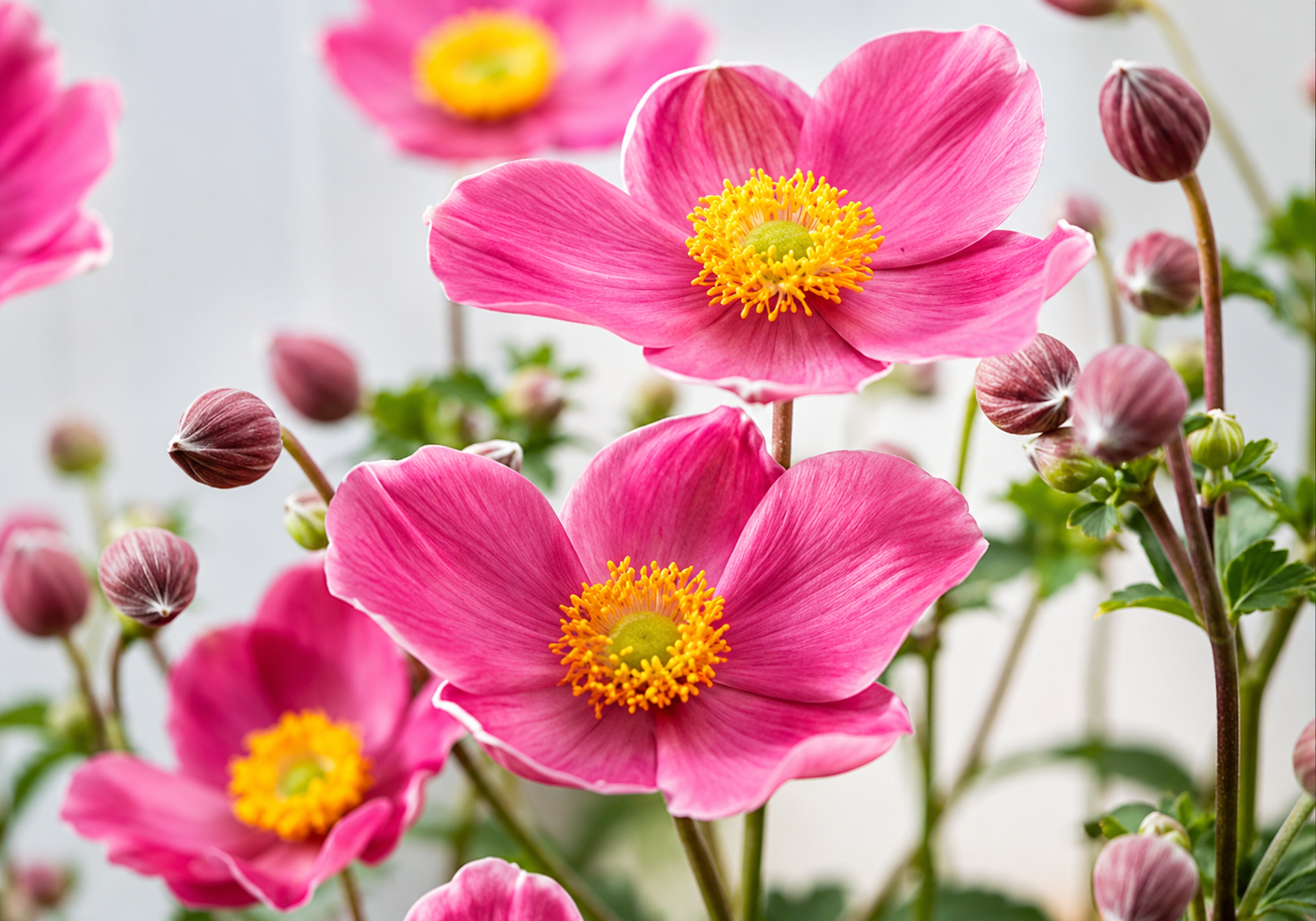
Anemone Fantasy Jasmine — Deer & Rabbit Resistant Perennial
Gardeners are always on the lookout for perennial plants that combine beauty, reliability, and low maintenance — especially plants that wildlife ignore. Enter Anemone Fantasy Jasmine, a compact, floriferous Japanese anemone cultivar that blooms in late summer through autumn, bringing rich pink flowers and extended seasonal interest to gardens big and small.
In this blog, we’ll dive deep into everything you need to know about this delightful perennial: its origins, growing habits, ideal conditions, landscape uses, care tips, companion planting, and more.
What Is Anemone Fantasy Jasmine?
Anemone Fantasy Jasmine is a cultivar of Anemone x hybrida, part of the Japanese anemone group also known as windflowers. This plant has been bred specifically for compact growth, prolific blooming, and tidy garden manners — traits that make it stand out among other fall‑blooming perennials.
Here’s what sets Fantasy Jasmine apart:
- Height: Around 12″–18″ (30–45 cm) tall — ideal for front‑of‑border placement or containers.
- Spread: About 10″–15″ wide — compact but well‑filled.
- Flower Color: Soft to deep pink with golden yellow centers.
- Bloom Time: Midsummer through fall — extending the garden season when many others fade.
- Wildlife Resistance: Deer and rabbit resistant — a major benefit for many gardeners.
- Zones: USDA Hardiness Zone 5–9 — widely adaptable.
Why It’s a Garden Favorite
1. Stunning Long‑Lasting Blooms
One of the biggest draws of Fantasy Jasmine is the length of its flowering period. Unlike spring bulbs that peak quickly, or summer annuals that fade before fall, this windflower keeps producing blooms for weeks — even into frost‑kissed autumn days.
The flowers are simple, elegant, deep pink blossoms with cheerful yellow centers, offering a beautiful contrast against dark green foliage and providing valuable color when many other perennials have already come to rest.
2. Compact Habit for Small Gardens & Containers
Not everyone has acres of space — and Fantasy Jasmine understands that. With a compact, clump‑forming habit, it’s perfect for:
- Front‑of‑border flower beds
- Cottage garden mixes
- Patio and balcony containers
- Small urban gardens
Its tidy size also means it doesn’t aggressively spread like some other Japanese anemones, giving gardeners control without constant upkeep.
3. Deer & Rabbit Resistant
If you’ve lost plants to browsing deer or hungry rabbits, you know how frustrating it can be. Good news: Japanese anemones, including Fantasy Jasmine, are known to be largely ignored by these animals, making them excellent options for gardens in areas with active wildlife.
How to Grow Anemone Fantasy Jasmine
1. Planting Location & Light
This perennial prefers full sun to partial shade. In hotter climates, dappled or afternoon shade helps keep the foliage fresh and flowering strong. Too much afternoon sun in warm regions may stress the plant.
Ideal locations include:
- Along pathways and garden edges
- Under light shade trees
- Next to late‑season grasses for contrasting textures
2. Soil Requirements
Windflowers do best in well‑drained, fertile soil with moderate moisture. Amend heavier clay with compost to improve drainage and nutrient content. Avoid overly dry or compacted areas.
3. Planting & Spacing
Plant in spring or early summer for best establishment before the fall bloom rush. Space plants about 10–15″ apart to allow good air circulation. This spacing also helps reduce disease pressure (especially fungal issues) and lets each plant show off its blooms.
4. Watering and Maintenance
- Watering: Keep the soil evenly moist during establishment; once established, water during dry spells.
- Mulching: A 2–3″ layer of mulch improves moisture retention and protects roots in winter.
- Deadheading: Remove spent flowers to encourage continued blooming and keep the plant looking tidy.
- Cutting Back: In late fall or early winter, cut back foliage after frost to tidy the garden for winter.
Companion Plants That Shine With Fantasy Jasmine
Want to make a show‑stopping garden bed? Pair Fantasy Jasmine with these plants:
- Ornamental Grasses — their wispy texture echoes autumn winds.
- Asters and Sedums — extend color through fall.
- Heuchera (Coral Bells) — foliage contrast with purple, bronze, or lime leaves.
- Early‑season Perennials — like salvia and coreopsis, for summer‑to‑fall transitions.
The vibrant pink flowers of Fantasy Jasmine especially pop against silvery foliage or late‑blooming blues and purples, setting up a rich fall palette.
Seasonal Garden Uses
Summer
As summer begins to fade, this plant fills the gap between fading summer blooms and the rise of fall foliage. Its rich pink blossoms create a soft, romantic feel as the season transitions.
Autumn
This is Fantasy Jasmine’s moment to shine. As many garden favorites finish, this windflower keeps producing delicate flowers, which not only add visual interest but also feed pollinators like bees and butterflies late into the season.
Winter
After frost, cut back the foliage. The roots remain dormant underground, ready to return with vigor next season. Mulching before the first freeze helps protect the plant in colder zones.
Pollinators Love It Too
While it’s resistant to deer and rabbits, Fantasy Jasmine attracts beneficial pollinators, adding ecological value to your garden. Bees and butterflies often visit the flowers for nectar, helping support late‑season pollination needs.
This makes it a great choice not only for aesthetics but for garden biodiversity and wildlife support.
Creative Garden Design Ideas
Here are some inspiring ways to incorporate Fantasy Jasmine into your landscape:
1. Soft Pink Autumn Meadow
Combine the anemone with ornamental grasses like Miscanthus or Pennisetum. Their feathery plumes match beautifully with the windflower blooms.
2. Container Garden Feature
Plant in a large container with late‑season annuals like chrysanthemums or pansies. This is especially great for patios or urban balconies.
3. Border Frontline Color
Use Fantasy Jasmine along the front of borders where its compact size and long bloom period fill gaps left by summer plants.
4. Contrast with Dark Foliage
Design a bed with plants like Heuchera ‘Obsidian’ or black mondo grass to make the pink blossoms stand out even more.
Common Problems & Solutions
Problem: Plant doesn’t bloom well
Ensure it gets enough light (at least part sun), and water weekly during dry weather.
Problem: Yellowing leaves
Could be overwatering or poor drainage — amend soil, improve drainage, and avoid waterlogging.
Problem: Foliage eaten by pests
While generally resistant to deer and rabbits, any perennial can potentially be damaged by insects; check for slugs/snails and use organic controls if needed.
Where to Find Fantasy Jasmine
If you’re ready to bring this lovely perennial into your garden, you can find plants like:
- Anemone Fantasy Jasmine – Bluestone Perennials – a well‑established garden variety with deep pink blooms.
- Japanese Anemone Fantasy Jasmine Plugs – Blooming Patches Farm – younger plants ideal for spring planting.
- Anemone hybrida Fantasy Jasmine (Windflower) - 3 Well Rooted – Etsy – larger starter plants for instant garden impact.
Each option gives you the opportunity to enjoy colorful, wildlife‑resistant blooms year after year.
Final Thoughts
If you want a low‑maintenance, late‑season perennial that keeps your garden blooming when others fade, Anemone Fantasy Jasmine is a superb choice. Its compact habit, deer and rabbit resistance, pollinator value, and dainty pink flowers combine to make it a standout in both formal and informal gardens.
This charming windflower proves that beauty and reliability can go hand in hand, creating a fall spectacle sure to enchant both you and your garden visitors.