
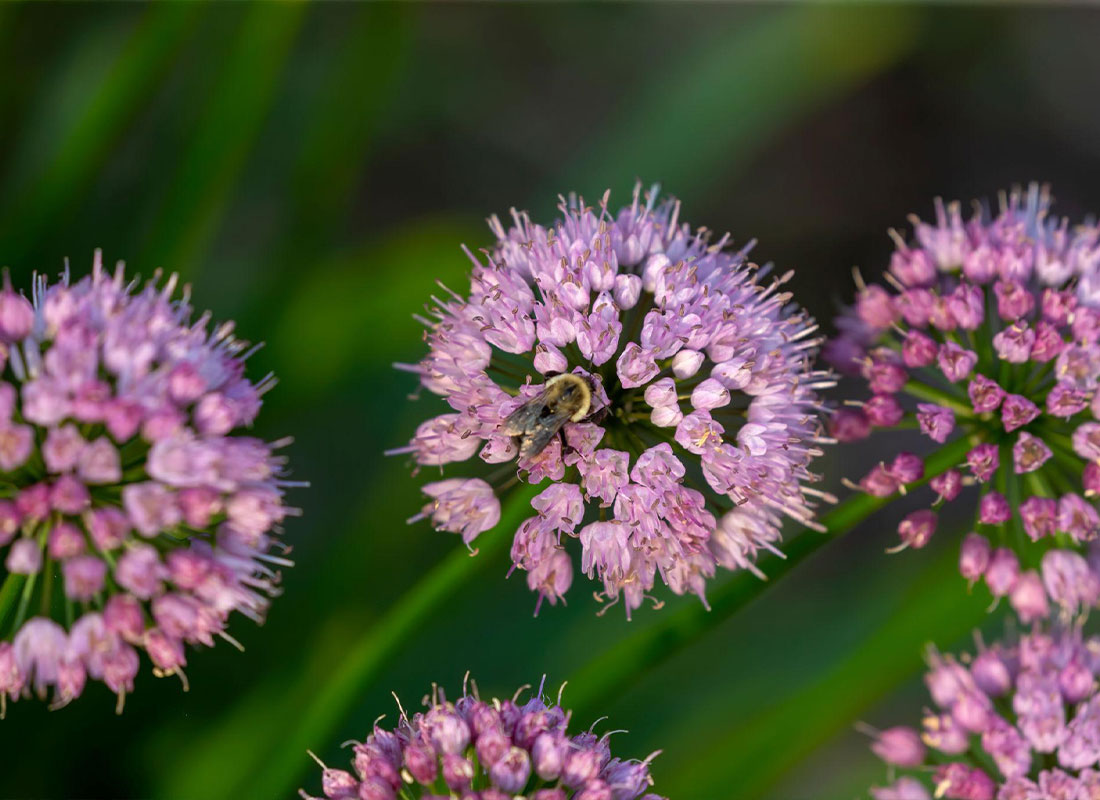
Allium Millennium
There’s no denying it — Allium ‘Millennium’ (also spell ed Millenium in its plant registration) is one of the most striking late‑summer ornamental alliums you can grow. With its vibrant rosy‑purple globe blooms and tidy clumping habit, this perennial onion brings color, structure, and wildlife value to the garden long after many spring flowers have faded. Best of all? Its onion-scented foliage makes it unappealing to deer and rabbits, a huge plus if you’re battling critters in your landscape.
This long-form guide dives deep into everything you need to know about growing, caring for, and styling Allium Millennium, with plenty of tips — and pictures — to help both new and seasoned gardeners.
What Allium ‘Millennium’ Is
Allium ‘Millennium’ is an ornamental onion (Amaryllidaceae family) hybrid developed by horticulturist Mark McDonough and first introduced in the early 2000s. It was later named the 2018 Perennial Plant of the Year, an award that reflects its garden performance and visual impact.
Unlike many other allium varieties that bloom in spring, Millennium flowers in mid-to-late summer, filling a seasonal gap in color when many perennials are tired or spent.
Distinctive Features & What Sets It Apart
Striking Summer Flowers
Allium ‘Millennium’ produces tight, globe-shaped clusters of rosy‑purple florets atop sturdy, upright stems. These rounded flower heads are roughly 2 inches (5 cm) across and create dramatic pops of color in your borders and beds.
Compact & Attractive Foliage
Glossy, grass-like leaves form a neat, lush clump that remains attractive throughout the growing season. The foliage’s bright green color provides textural contrast and remains handsome even before and after blooming.
Deer & Rabbit Resistance
One of the biggest benefits of Millennium is its resistance to deer and rabbits. The leaves emit a mild onion scent when crushed — a deterrent that most browsing animals dislike, helping keep your plants safe without fences or sprays.
Tip: Though resistant, no plant is 100% protected in all environments — hungry wildlife may still nibble in high-pressure situations.
Growing Conditions
Sunlight
Allium Millennium thrives in full sun, though it can tolerate light afternoon shade in particularly hot climates. About 6+ hours of direct sun daily encourages the best blooms.
Soil & Water
- Prefers well-draining soil — soggy conditions can lead to rot
- Handles average to poorer soils as long as drainage is good
- Once established, it shows moderate drought tolerance
- Water regularly while establishing, then reduce irrigation as needed
Hardiness & Zones
- Ideal across a broad range: USDA Zones 4–8
- Quite cold-hardy — no winter protection needed in most regions
Size & Space
- Height: ~12–20 inches (30–50 cm)
- Width: ~12–18 inches (30–45 cm)
- Space plants about 10–15 inches apart in beds and borders
Planting & Care Tips
Planting Bulbs
Allium bulbs are typically planted in the fall, 4–6 weeks before the ground freezes. This allows roots to establish before winter dormancy. Bulbs should be set with the pointed end up, roughly 3–4 times as deep as the bulb’s diameter.
Blooming Period
Unlike many alliums that bloom in spring, Millennium heralds late summer color — usually from July through August — making it perfect for bridging plantings and filling a seasonal gap.
Deadheading & Division
- Deadhead spent blooms to keep the plant tidy and boost vigor
- Remove old foliage in late fall or early spring once completely dry
- Divide clumps every few years to maintain vigor and prevent overcrowding
Pollinators & Wildlife
Though deer and rabbits stay away, Allium ‘Millennium’ attracts beneficial pollinators like honeybees and butterflies with its nectar-rich flowers. This makes it a wonderful choice for biodiversity-friendly gardens.
Landscape Uses & Ideas
Millennium is versatile in garden design:
Borders & Beds
The rounded, rosy blooms add structure and height to the middle or back of perennial flower borders.
Containers
In large patio containers or mixed planters, Millennium provides striking summer color and pairs beautifully with ornamental grasses and late-season bloomers.
Companion Plantings
Pairs well with other summer flowers like coneflowers, sedums, and ornamental grasses — all contributing to layered color and texture.
Rock & Cottage Gardens
Its dramatic structure and long season make it a showstopper in casual, cottage-style landscapes.
Critter Resistance in Context
The oniony scent is what gives it a measure of animal resistance. Not only does this keep most deer and rabbits at bay, but it also means the plant rarely gets eaten down — a significant advantage in naturalized or open-space gardens where fencing isn’t possible.
Why Gardeners Love It
Here’s why Allium ‘Millennium’ has become a favorite for so many gardeners:
- Long bloom time — color when others have faded
- Low maintenance — minimal feeding and care
- Deer & rabbit resistance, reducing plant loss
- Pollinator magnet — supports bees and butterflies
- Cut or dried flower use — blooms hold well in arrangements
- Compact habit — great for borders and containers
- Broad hardiness zones — adaptable across many climates
Final Thoughts
If you’re looking for a low-effort perennial with high impact, Allium ‘Millennium’ is an excellent choice. Its vibrant summer blooms, tidy foliage, and critter resistance make it a reliable performer in mixed perennial borders, pollinator gardens, and containers alike. Add a few to your landscape, and you’ll enjoy long-lasting color and texture — without the worry of deer and rabbit munching.