
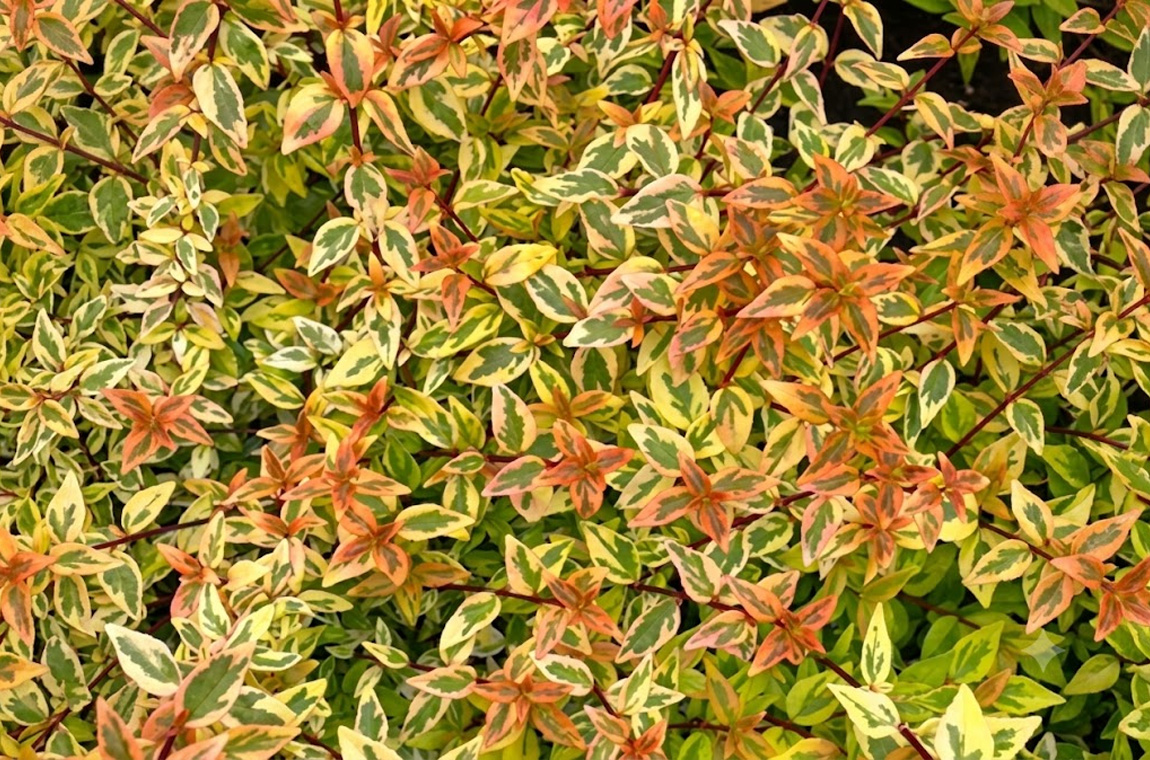
Abelia Shrubs: Kaleidoscope & Twist of Lime
Abelia (often seen in gardens as Abelia × grandiflora and its many cultivars) is a versatile, colorful ornamental shrub prized for its eye catching foliage, long bloom season, and easy care. Among the many selections available, Abelia ‘Kaleidoscope’ and Abelia ‘Twist of Lime’ stand out for their unique variegated foliage and reliable performance in landscapes and containers alike.
Whether you’re a seasoned gardener or just getting started, these two abelias bring season long color, wildlife value, and design versatility to gardens of all sizes. Let’s explore their features in detail — including pictures and practical tips you can use to grow and design with these shrubs successfully.
What Is Abelia?
Abelia is a group of ornamental shrubs known for their graceful arching branches, attractive foliage, and delicate tubular flowers. Most modern garden abelias are hybrids — particularly Abelia × grandiflora — resulting from crosses between Abelia chinensis and Abelia uniflora. These hybrids have become garden favorites for their extended bloom season (often summer through fall) and adaptability to a range of landscape situations.
Abelias are usually semi evergreen to evergreen in milder climates, meaning they can retain foliage year round or nearly so, adding structure and color even in off seasons. Their nectar rich flowers attract bees, butterflies, and hummingbirds, making them a great choice for wildlife friendly gardens.
Beautiful Abelia Varieties:
Abelia × grandiflora ‘Kaleidoscope’ — A Garden Highlight
Overview
Abelia ‘Kaleidoscope’ is a compact, variegated shrub that brings striking multi colored foliage and abundant blooms to gardens. It is one of the most popular abelia cultivars due to its year round interest and standout foliage color.
This cultivar was developed in the late 1990s as a sport of the abelia family and quickly became loved for its fabulous foliage colors that shift through the seasons.
Seasonal Foliage Color
One of the defining features of ‘Kaleidoscope’ is its color changing leaves:
- Spring & Summer: Bright lemon yellow and lime green foliage adds a vibrant pop of color.
- Fall: Foliage transitions to deeper orange and red tones, creating a fiery autumn look.
- Winter (in mild climates): Leaves often persist, giving winter interest even when other plants are dormant.
This dramatic shift in foliage color is what gives the plant its name — a kaleidoscope of hues that dances with the seasons.
Flowers That Last
In addition to its ever changing leaves, ‘Kaleidoscope’ produces numerous fragrant tubular flowers from late spring through fall, offering months of attractive blooms that appeal to butterflies and hummingbirds.
These blossoms are typically white or lightly tinged with pink, providing contrast against the vivid foliage.
Size & Habit
- Height: ~2.5–4 feet
- Spread: ~3–4 feet
- Forms a compact, rounded mound with gracefully arching branches.
This size makes it ideal for foundation plantings, mixed borders, or container gardens where space is at a premium.
Landscape Uses
‘Kaleidoscope’ works beautifully in a variety of design settings:
- Accent specimen: The vibrant foliage makes a striking focal point.
- Mixed shrub borders: Pairs well with evergreen shrubs and perennials.
- Containers: Great in patio containers where its colors can shine up close.
- Mass plantings: Creates a textured hedge or colorful backdrop.
Abelia × grandiflora ‘Twist of Lime’ — Bright, Cheerful Shrub
What Makes It Special
Abelia ‘Twist of Lime’ is another favorite variegated abelia, known for its chartreuse variegated foliage and soft pink tinged flowers. Unlike ‘Kaleidoscope’, which leans more toward dramatic seasonal color change, ‘Twist of Lime’ offers consistent brightness through most of the growing season.
Foliage & Flowers
The leaves of ‘Twist of Lime’ are bright lime green with creamy yellow margins early in the season, later becoming green and ivory, and eventually showing darkening tones in cooler weather.
Small clusters of pale pink or pink tinged tubular flowers appear mid spring through fall, attracting pollinators like bees and hummingbirds.
These flowers aren’t as profuse as some perennial blooms, but they add a delicate, charming accent to the bold foliage.
Size & Shape
- Height: ~3–4 feet
- Width: ~4–5 feet
- Upright, loosely mounded habit with arching branches.
This makes it a great choice for foundation plantings, structural accents, and larger shrub borders.
Year Round Interest
Like its cousin ‘Kaleidoscope’, ‘Twist of Lime’ provides extended interest through foliage color, even when it’s not in bloom. Where winters are mild, it retains foliage and brightens the landscape when other shrubs are bare.
Growing & Caring for Abelia
Abelias are known for being very garden tolerant, making them wonderful shrubs for many gardeners — from beginners to seasoned landscapers.
Light Requirements
- Full sun to partial shade brings out the best foliage color and flower production.
- In areas with intense heat, a bit of afternoon shade can help maintain leaf vibrancy and reduce stress.
Soil & Moisture
- Prefer well drained soil — overly soggy conditions can lead to root issues.
- Fertile, slightly acidic to neutral soils are ideal, but abelias are not extremely picky and adapt to a range of soil types.
- Water regularly while establishing; once mature, they become moderately drought tolerant.
Pruning
Abelias bloom on new wood, so the best time to prune is late winter or early spring before new growth begins.
Pruning can help rejuvenate older plants, maintain size, and promote bushier growth. Light trimming after flowers fade can also help refresh the plant.
Fertilization
Apply a balanced, slow release fertilizer in early spring to support foliage and flower production. Abelias generally don’t require heavy feeding.
Cold Hardiness
Most abelias — including these two cultivars — are hardy in USDA zones 6–9, with semi evergreen to evergreen behavior in warmer climates.
In colder regions, they may lose some foliage in winter but typically rebound in spring.
Wildlife & Garden Benefits
Abelias aren’t just beautiful — they’re good for the garden ecosystem. Their nectar rich flowers attract:
- Bees
- Butterflies
- Hummingbirds
This makes them a great addition to pollinator gardens, cottage landscapes, or mixed borders where wildlife activity is encouraged.
Additionally, both ‘Kaleidoscope’ and ‘Twist of Lime’ have foliage that remains attractive even when not blooming, adding structural interest year round.
Landscape Design Ideas
Here are creative ways to use these abelias in your garden:
1. Foundation Plantings
Use abelias as foundation shrubs along your home exterior or walkways:
- ‘Twist of Lime’ for a bright green backdrop.
- ‘Kaleidoscope’ to add seasonal color contrast.
These shrubs frame entrances beautifully with long lasting foliage and soft flowers.
2. Garden Borders & Mixed Shrub Beds
Plant these abelias alongside complementary shrubs like salvia, lavender, ornamental grasses, and heuchera.
- The lime and variegated foliage pairs wonderfully with deep blue and purple blooms.
- The white blossoms offer a soft contrast in perennial beds.
3. Container Displays
Both cultivars thrive in containers, adding height and color to patios, decks, or entryways. Combine with annuals like petunias and calibrachoa for continuous interest.
4. Hedges & Screens
‘Twist of Lime’, with its broader spread, makes an excellent low privacy hedge or structural backdrop in mixed borders.
Seasonal Care Checklist
Spring:
- Light pruning before new growth.
- Apply slow release fertilizer.
Early Summer:
- Water deeply once established.
- Enjoy fresh blooms.
Midsummer:
- Trim lightly to encourage new growth.
- Monitor for pests.
Fall:
- Leaf variegation intensifies, adding seasonal interest.
Winter:
- Mulch base in colder zones to protect roots.
- Enjoy winter foliage in mild climates.
Final Thoughts: Why These Abelias Are Garden Worthy
Abelia ‘Kaleidoscope’ and Abelia ‘Twist of Lime’ are more than just shrubs — they’re colorful workhorses in the landscape:
- Eye catching foliage year round
- Long bloom season with fragrant flowers
- Low maintenance and adaptable
- Wildlife friendly
- Great for containers, borders, and mixed plantings
Whether you’re creating a vibrant border, a polished foundation planting, or a standout patio container, these abelias bring visual impact and garden resilience that’s hard to beat.